-
Posts
2006 -
Joined
-
Last visited
-
Days Won
16
Content Type
Profiles
Forums
Gallery
Events
Everything posted by Roberto
-
Anyway, I have some of these that vegetate on their roots, (suckers removed from my grafted plants) probably after years and years have acclimatized so now accustomed to our climate and it seems that everything is fine, moreover they maintain their traditional globose appearance and this is a sign of good health The plants of the first two images that I show are planted directly in my garden
-
European possible
-
Yes, apart from the latter and the myrtillocactus minus (salmon aside) most of them I grafted personally. Most people do not like grafts, prefer to have them on their roots , but for some it is necessary to use the practice of grafts to be able to grow them in our parts since, many of these live in the Andes at 3000/4000 meters high (9842.52 / 13123.36 ft) so you can easily imagine the huge difference in climate that there may be. At these altitudes, these cacti vegetate with less oxygen and atmospheric pressure VERY different than in our parts, not to mention the cold and humid heat they have to endure from us. So, for some of these reasons it is advisable to use grafting on more robust and resistant cacti ("trichocereus pachanoi" is the most used as it is VERY strong and resistant) in order to make them survive in our parts, otherwise impossible on their very delicate roots The triple graft depicted below is one of those that I did personally (also published in the magazine) The one with the semi-closed orange flowers ("rebutia heliosa") I grafted last year, while the other two "sulcorebutia mentosa" (green with reddish thorns) and "rebutia sunrise" (white thorns) a few years earlier. I would like to point out that the "rebutia sunrise" (white thorns) is nothing more than a recent hybrid between "rebutia Heliosa" and "rebutia albiflora" (this second blooms white... logically) and therefore their flowers are white and slightly orange, as can be seen in the second and third images. Thanks Ann and Tommy!
-
Yes Navarre, with the classic ring pontil
-
Also here the first is an echinopis salmon while the second is an "astrophytum caput-medusae" (jellyfish) c. m. of the first photo is mine..
-
The first is a m. lutheyi that I had while the second is an "astrophytum onzuka cristato" (crested) grafted on trichocereus
-
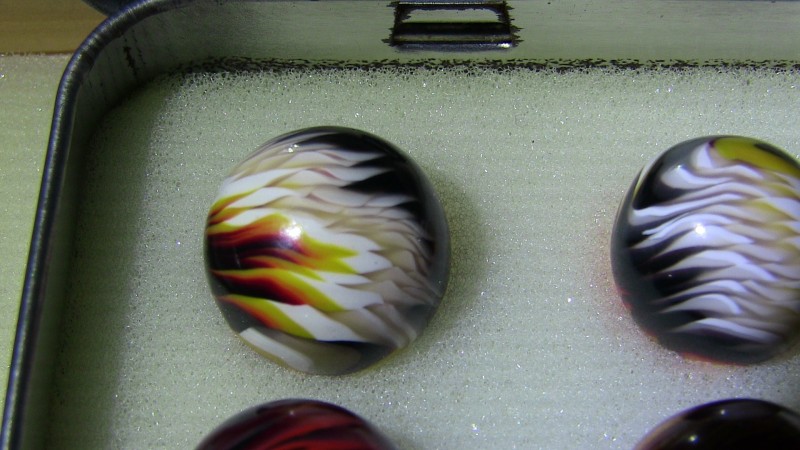
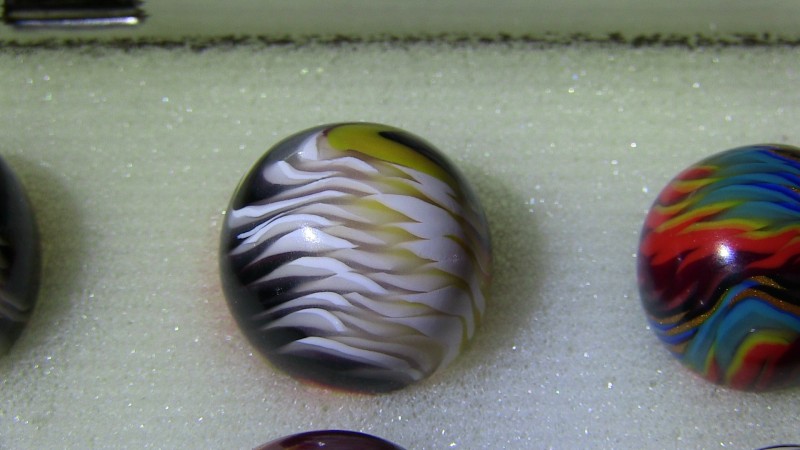
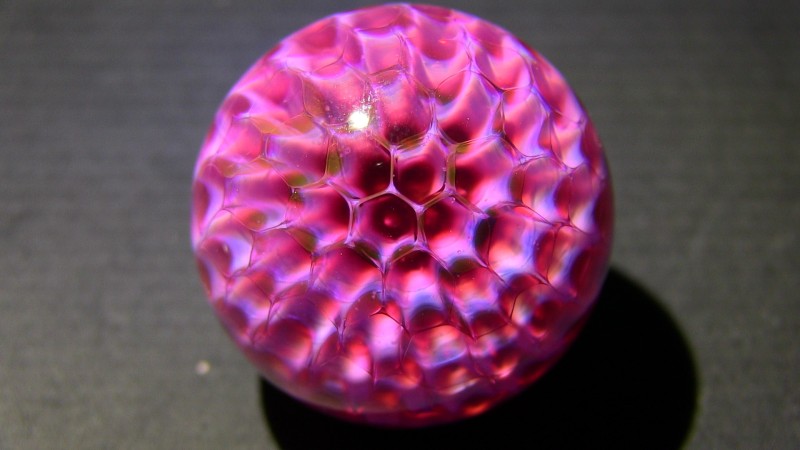
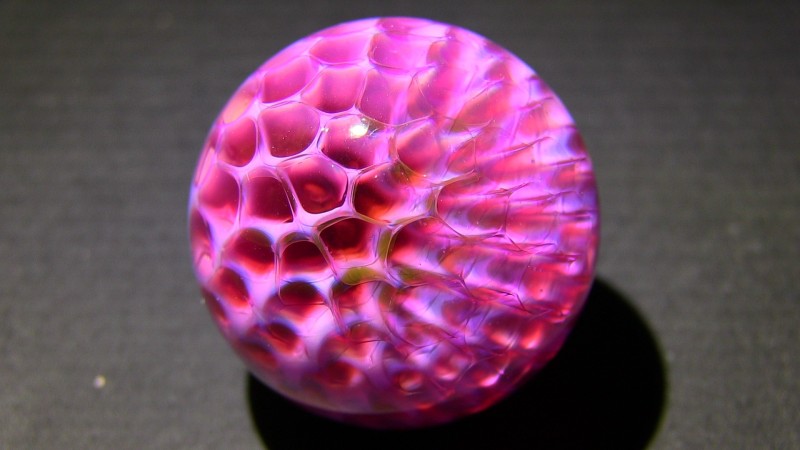
Wow Chad snow globes! The marble on the right side of the last image appears to be Heaton
-
Vitro was my first impression
-
You are welcome yes, the dry heat would be ideal for these desert plants since they can hardly withstand the humid heat. Some of my plants have been used to this rather humid climate for years, so they can stand it more easily Another advice that I can give from my experience is not to change the pot to a newly purchased plant, since it would not withstand the stress of transplantation already having to endure the transfer of very tiring and debilitating area for them If you really want because the jar is too small for that plant, I recommend repotting it directly in a larger pot with all your jar, so as not to stress and break the roots that still come out of the holes below (usually most have them) taking other nourishment You could insert it slightly lower than the larger one so that it does not notice becoming unsightly Sometimes you would like to repot them (and I can understand the reason being in horrible rather small plastic jars) but it is a gamble especially just purchased for the above reason In the past I have lost some beautiful specimens for this reason, so it is better to wait at least a year to repot so that the plant has already become accustomed to the climate of that area Then, there are cacti that endure transplantation more easily than others, but it is always something to avoid as much as possible since some small rootlets that are the most important for their feeding, inevitably break and hardly redo, for some it takes even years! I have a snow-white cactus depicted in the thread "astrophytum onzuka" (Japanese hybrid obtained from four crosses, I have a dossier that explains it) remained stationary for nine years after a transplant, indeed, two transplants! The total recovery has begun this year. Anyway Chad, being informed from the beginning of cultivation I think it's a good advantage Initially you can start with less expensive plants, however cute and then move on to the more "special" and unfortunately expensive ones (they auction those too!) when you have had a fair amount of experience
-
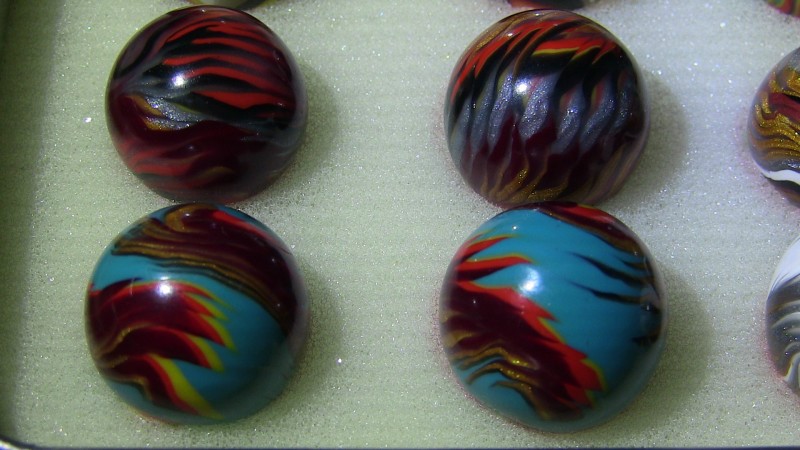
Agree, just like that and leave an empty space between one thread and another that can be wide (as in Chad's last photo) or not
-
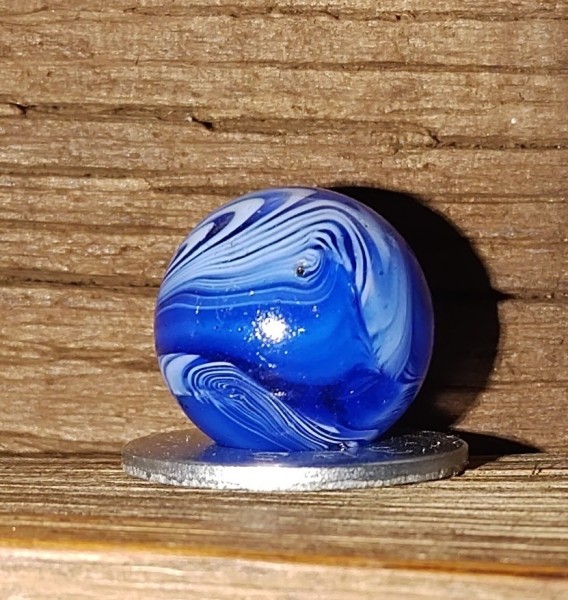
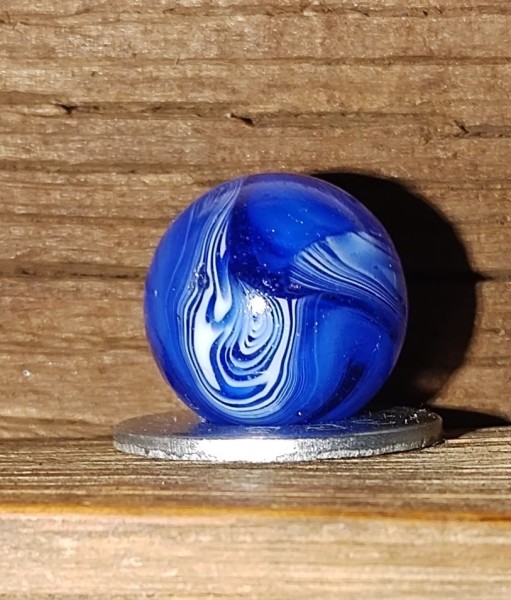
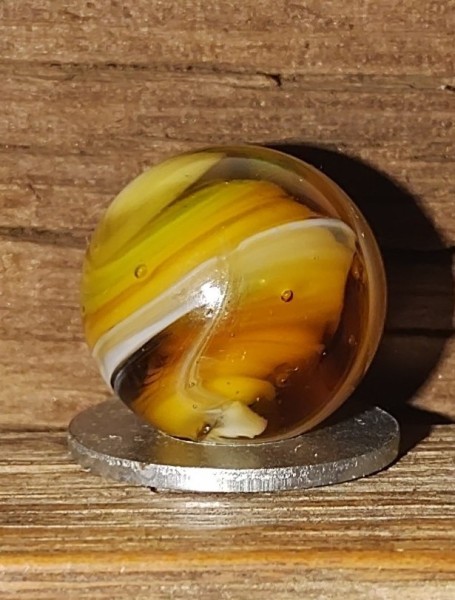
7/8" Shooter - Cobalt Blue base with Big Yellow Patch
Roberto replied to rockgardenplants's topic in Marble I.D.'s
X2 -
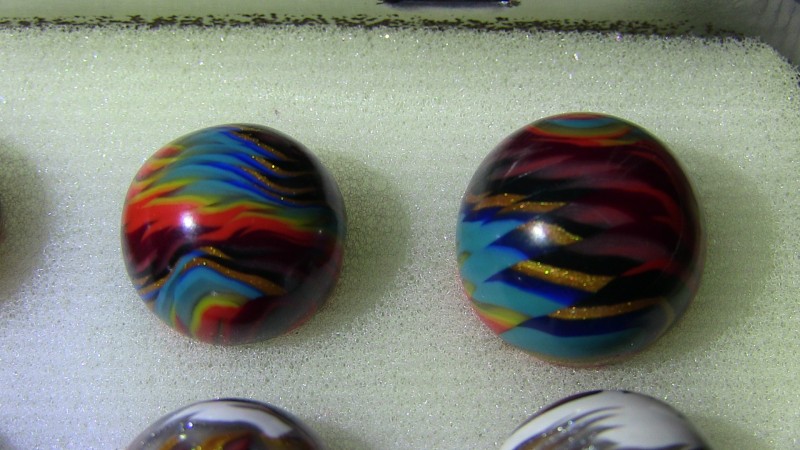
The last two images of Chad show coats, the spaces are very wide in the examples of the last image
-
Indoor I do not recommend it for all cacti, since they are plants that need air, sun, very little moisture (especially if stagnant.... lethal for this kind) so outdoor, moreover, they need a period of winter rest at low temperatures to be able to bloom in the next good season. Only a cactus that I know does not tolerate very low temperatures 0 C (32.0 F) or less and is the "myrtillocactus" that I show in the next image and that therefore when the outside temperature starts to drop too much 6/7 C (48.8/44.6) I shelter them in a bright and cold place in the house even if it would not be very appropriate since, as I have already said, they are plants that must live outdoors to be in good and robust shape, but otherwise I keep them in the greenhouse sheltered from the rain but outside Cacti easy to grow can be all kinds of cereus, tricocereus, (the one with the huge salmon flower) or echinopsis (with very long "trumpet" flowers) but there are many others, the various "mamillarie" for example, not the one described above luethyi but otherwise they are quite nice without having too many cultivation needs In any case, at the beginning you will easily lose some subjects, but then with time and with a little experience and tricks everything will be easier. Another tip (which I wrote and recommended with a text in an Italian quarterly magazine of succulents) that many do not know or do not give much importance is to use rainwater for watering, since the home one is too "hard", contains too much calcium (at least,... in my parts) and chlorine and this the plants can not stand it many times do not assimilate it and the soil tends to turn sour The real nourishment comes from heaven, is it not true that the home garden benefits more by taking rainwater?.....And a fact! I collect rainwater in containers in the garden of the house and then put it in plastic containers "MYRTILLOCACTUS" the grafted one is a rather delicate quality myrtillocactus "minus cristato" ( crested) very twisted

-
Hi Ann, yes, as I said, the cacti that I fear most are only the prickly pear while for the rest either they do not sting at all or have thorns that are easily removed. However, the few people who grow cacti, love these plants with all their thorns.
-
Thanks guys! Yes, some of these when they emit these "explosions" of flowers the plant is completely covered
-
This is gorgeous ( mamillaria luethyi) I had it for three years but then I lost it.... VERY delicate, but I want to try again..... The last two are the same plant but the first is variegated (yellow... very delicate, in fact it is grafted on more resistant cactus) and the second is "monstrous"..... SUPER delicate And.... it doesn't sting at all! Sorry, the last two are reversed....
-
The first (orange flowers), the fourth yellow, the fifth and the sixth as well as the last, can be easily touched without gloves
-
Hi Chad, yes in spring and (generally) early summer, they make a blast of very beautiful flowers
-
Yes, I own it too, nice photos, but as Ann says, this title / term I do not approve much .....
-
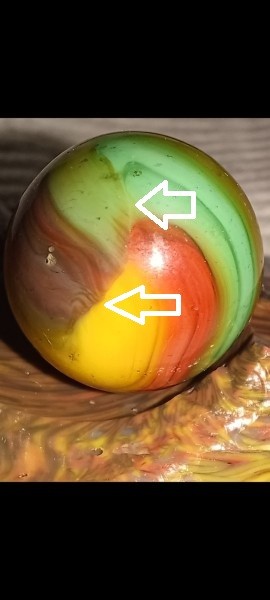
"END OF DAY" I associate it more than anything else with the cloudy ones instead of onionskin, made with last pieces of the barrel or pieces of glass precisely at the end of the day, although in some books they attribute this definition to both
-
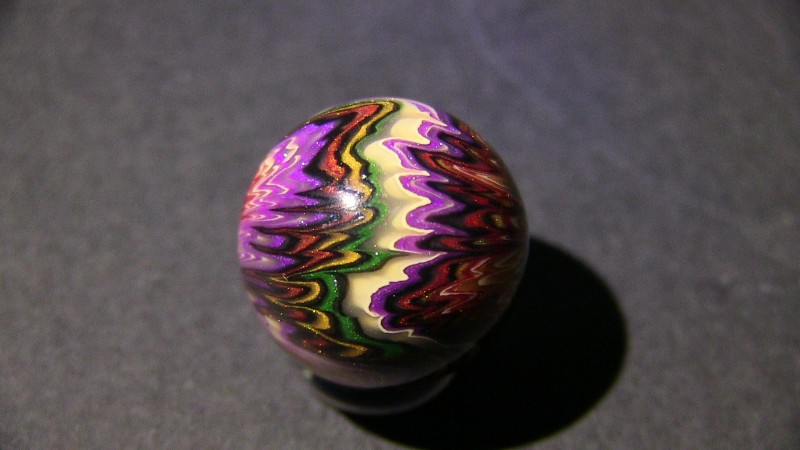
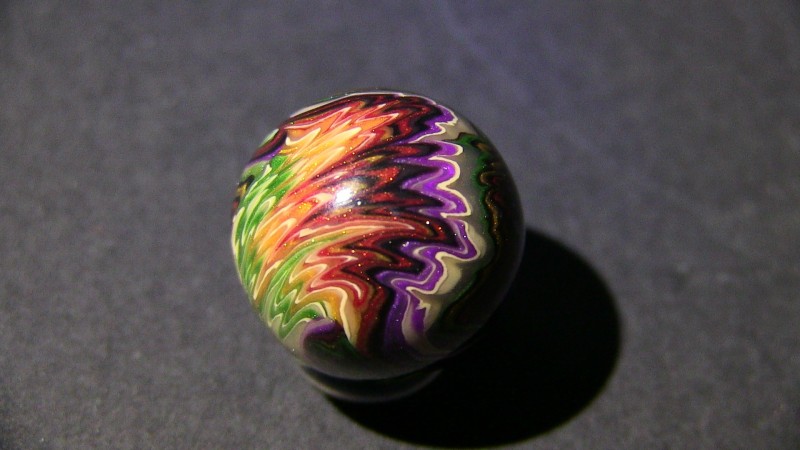
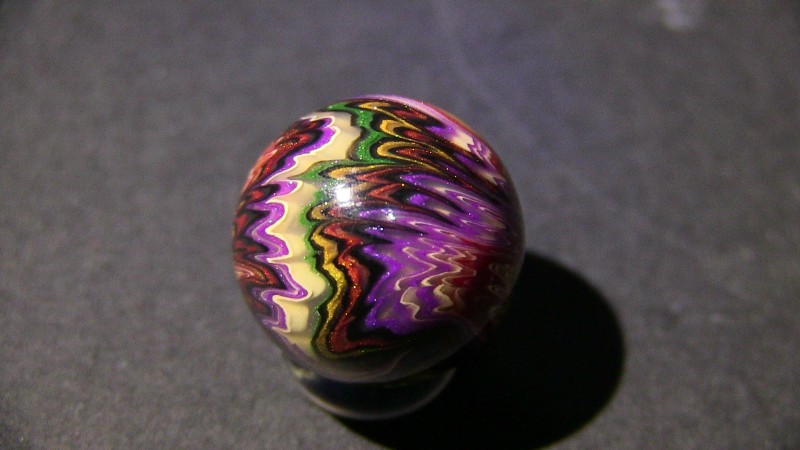
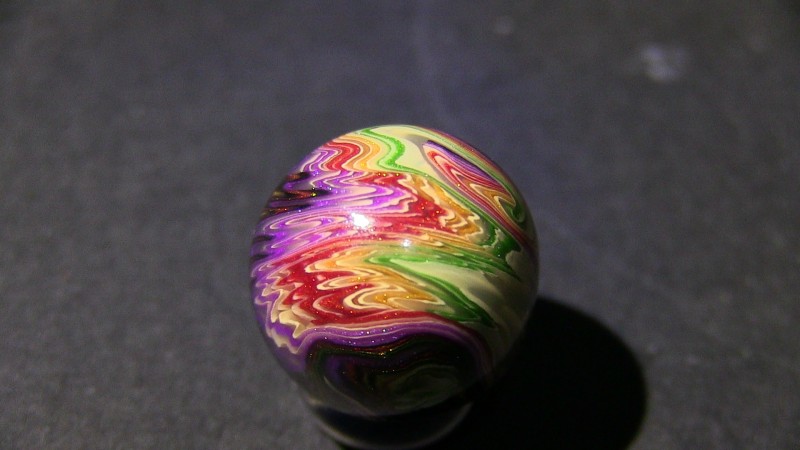
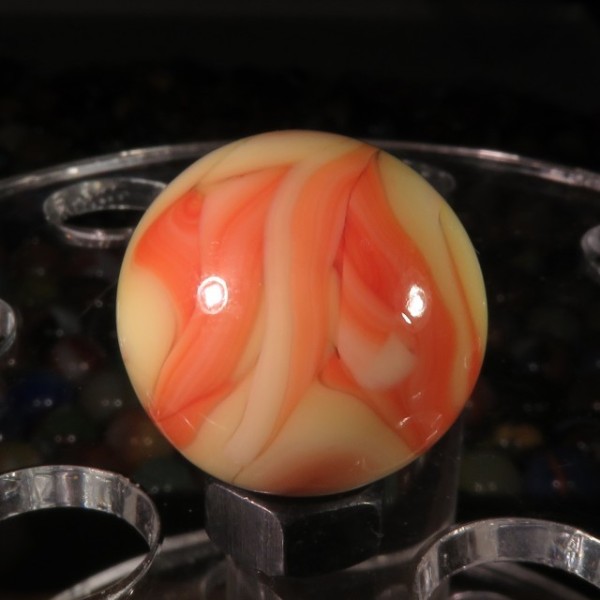
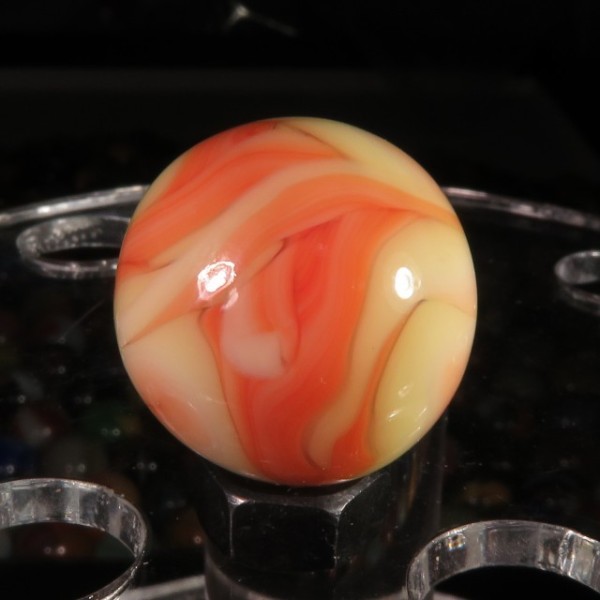
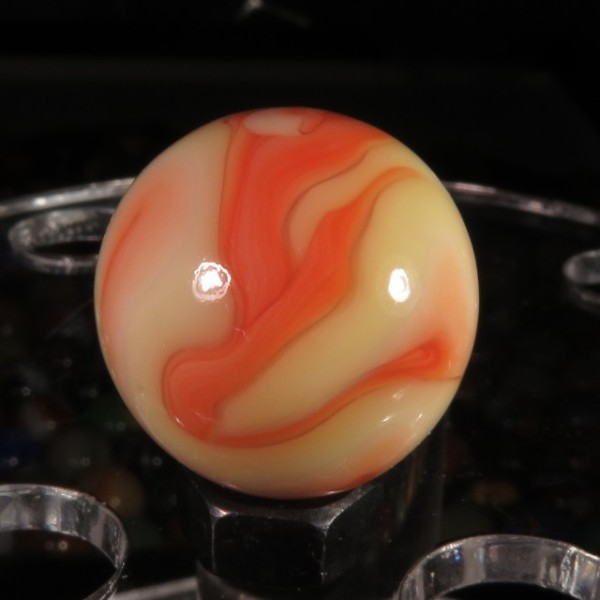
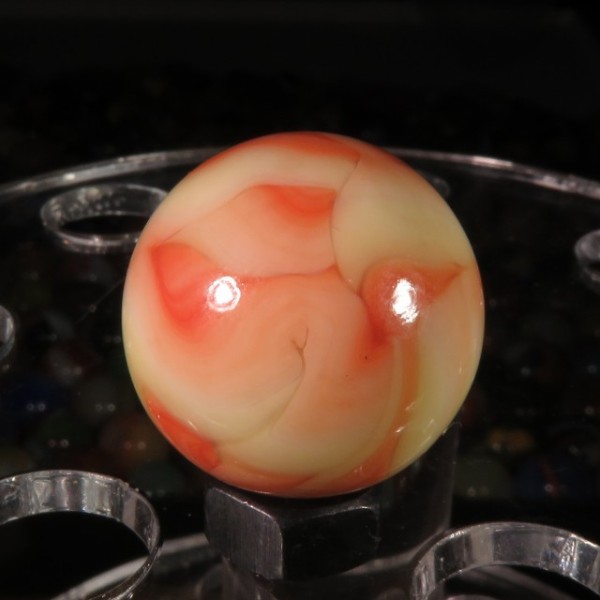
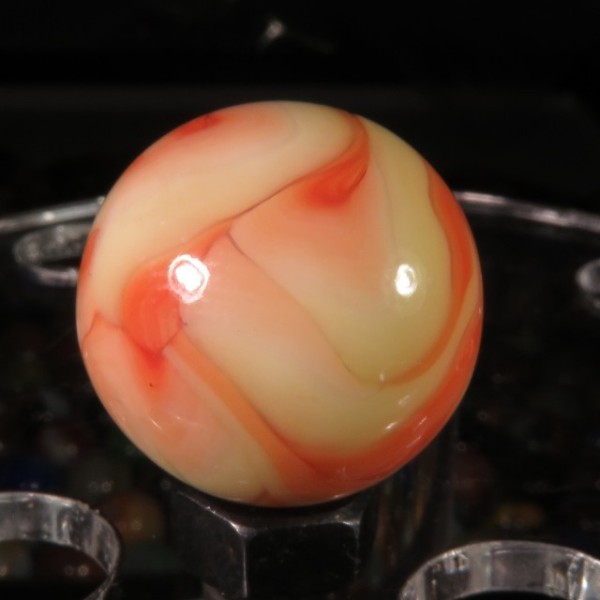
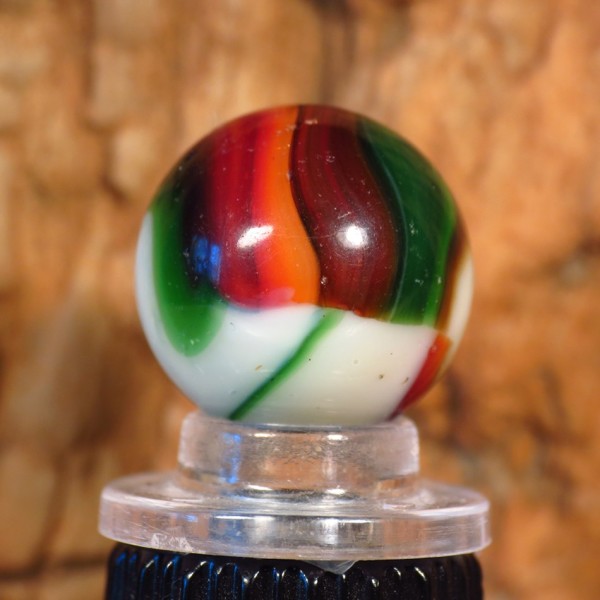
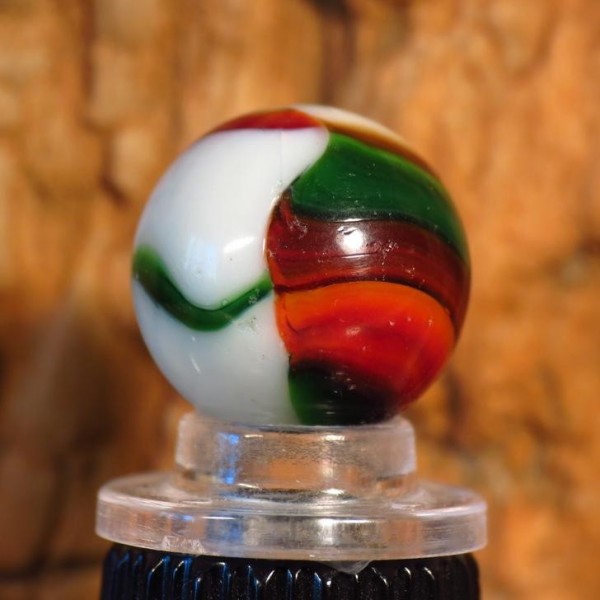
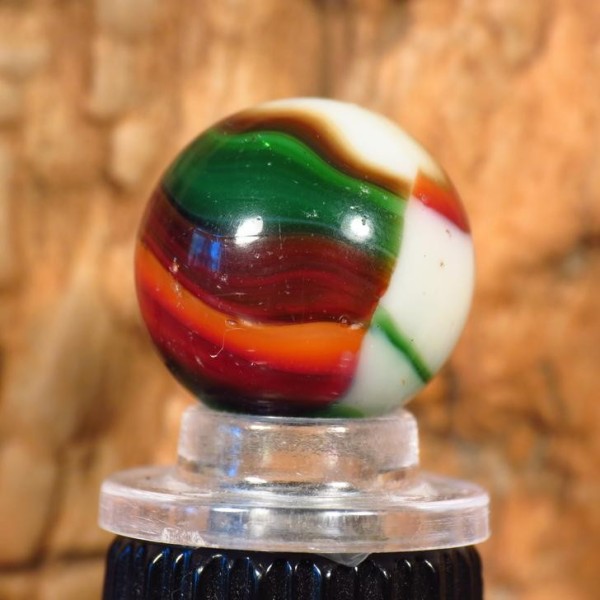
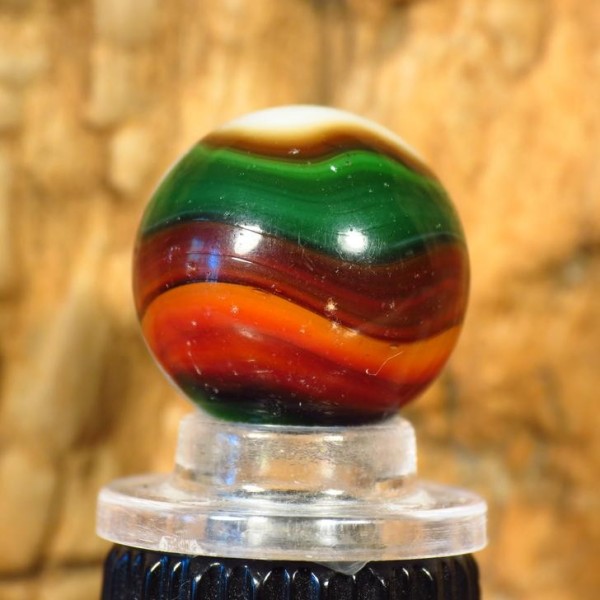
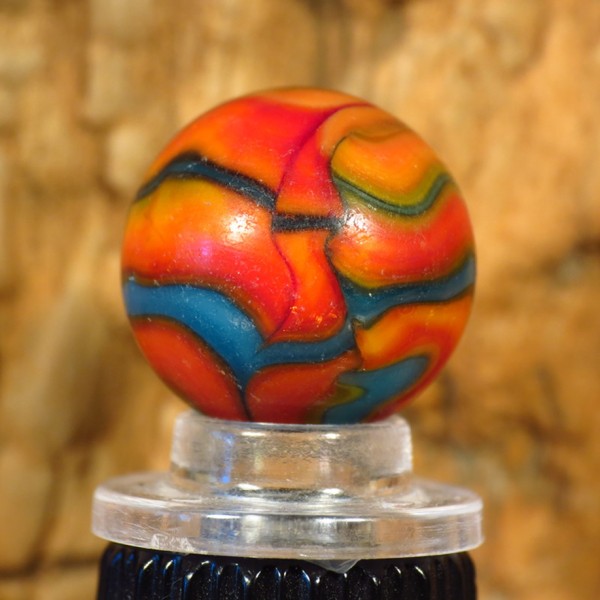
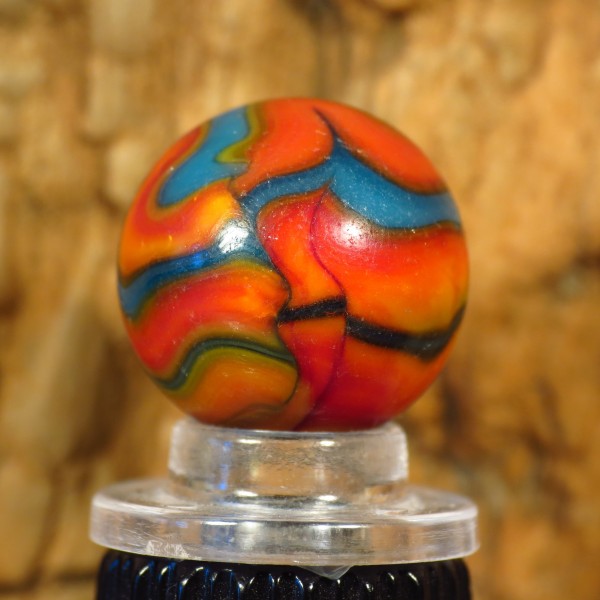
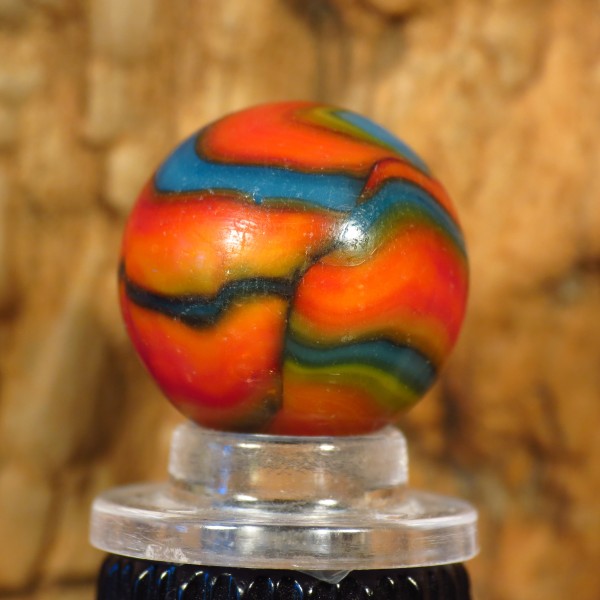
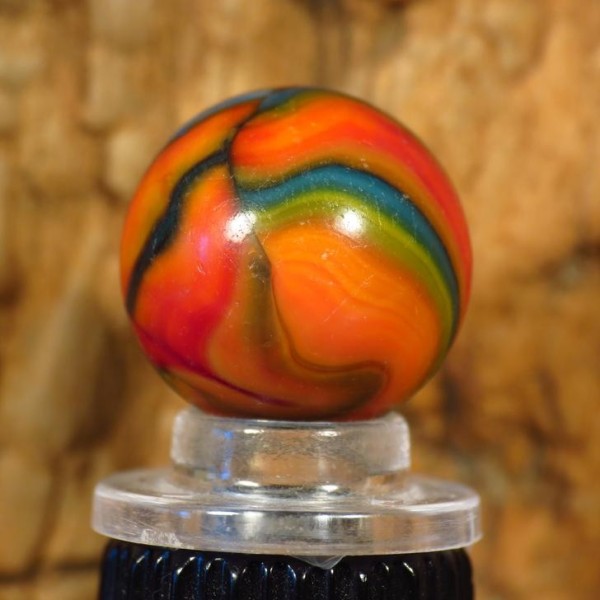
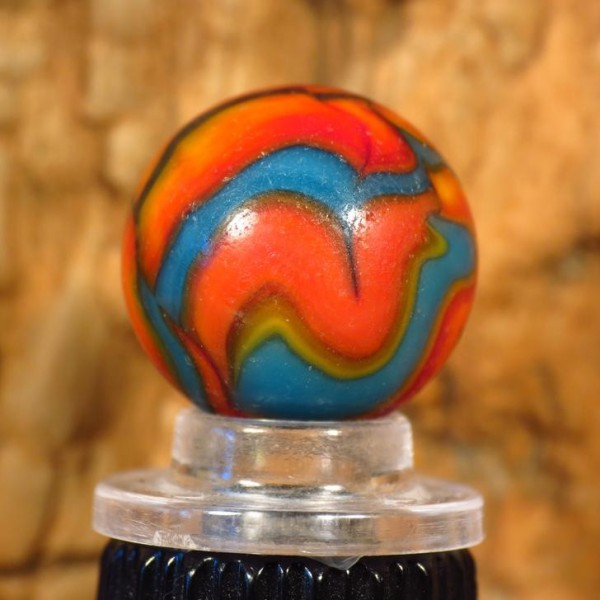
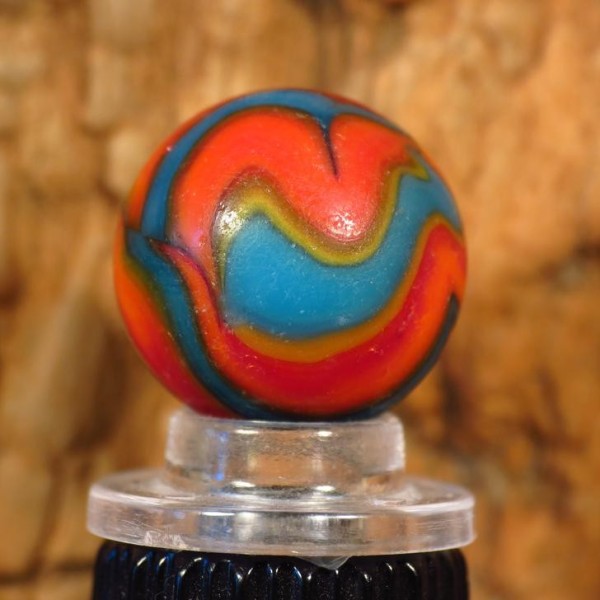
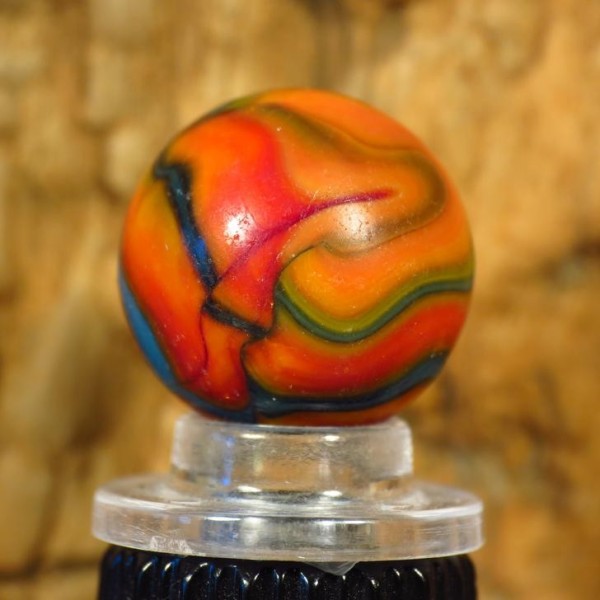
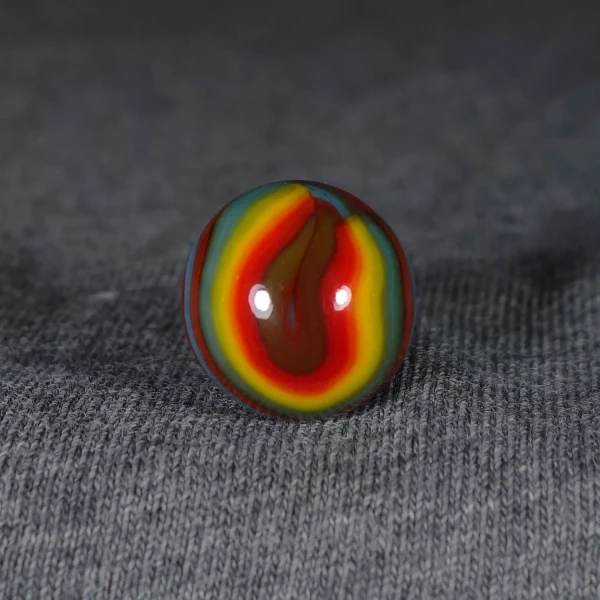
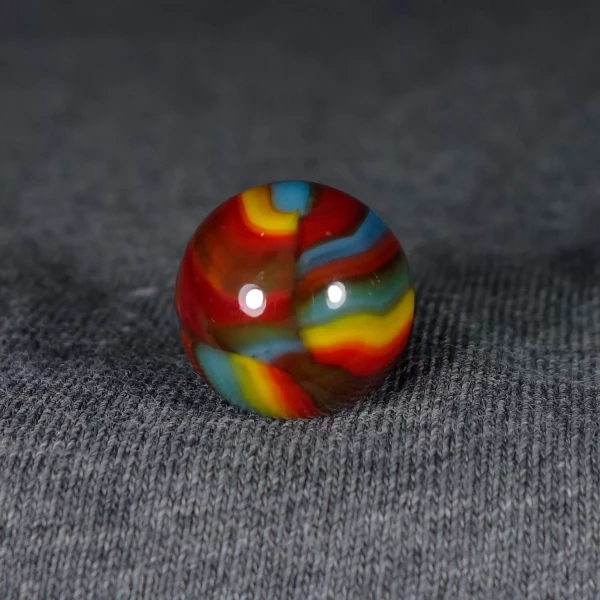
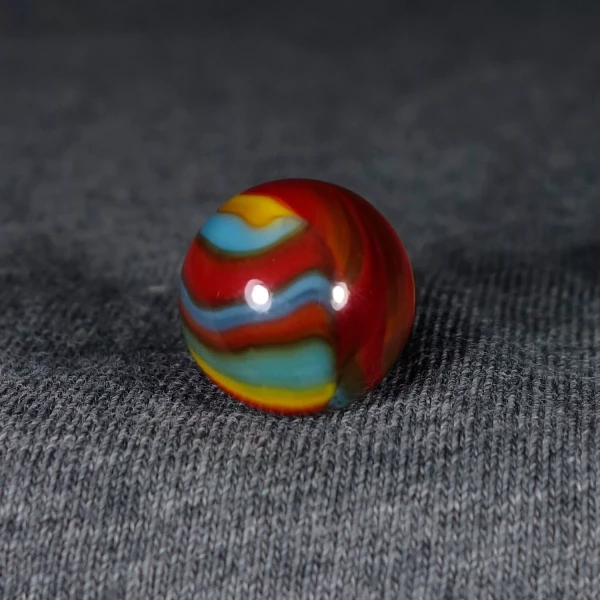
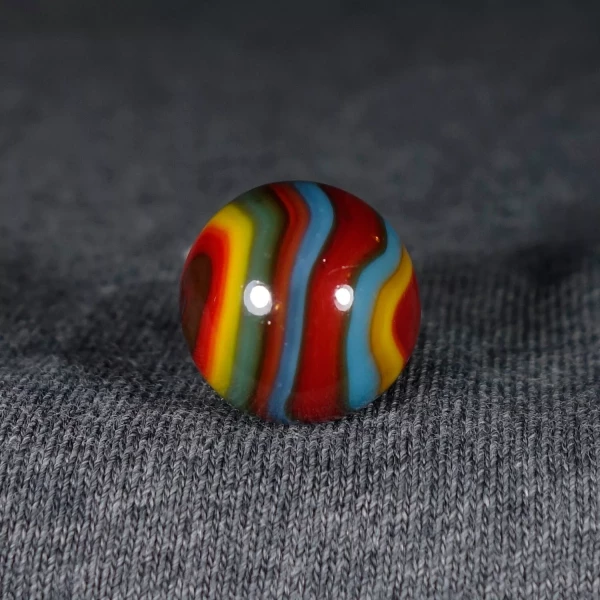
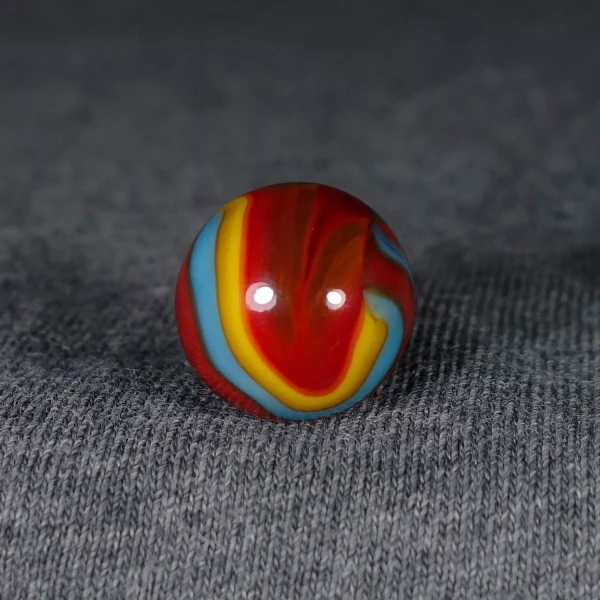
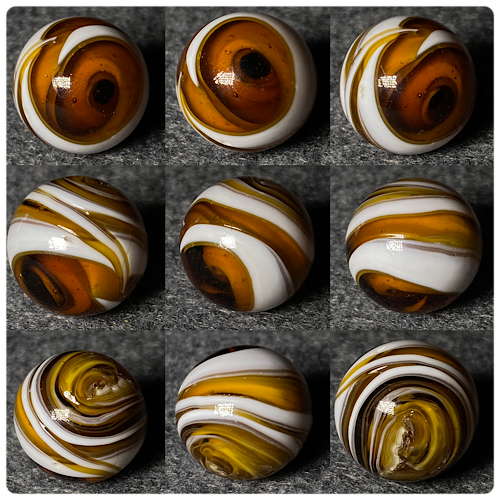
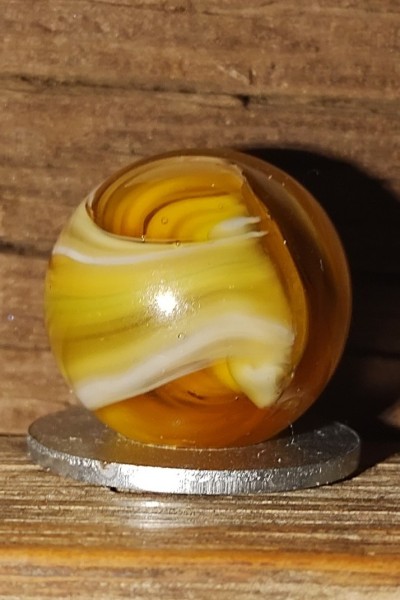
Any thoughts on which company made this multicolored swirl?
Roberto replied to Peltier Mibber's topic in Marble I.D.'s
Jabo