Leaderboard

Popular Content
Showing content with the highest reputation since 03/13/26 in all areas
-
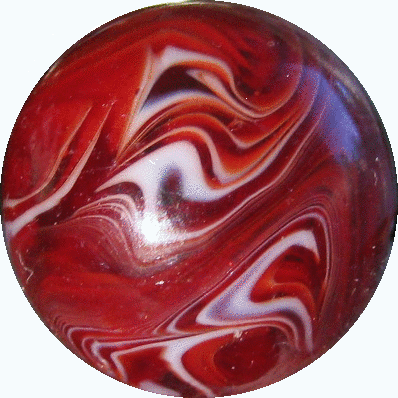
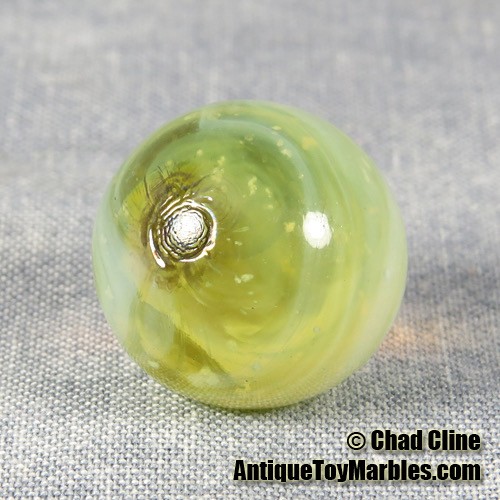
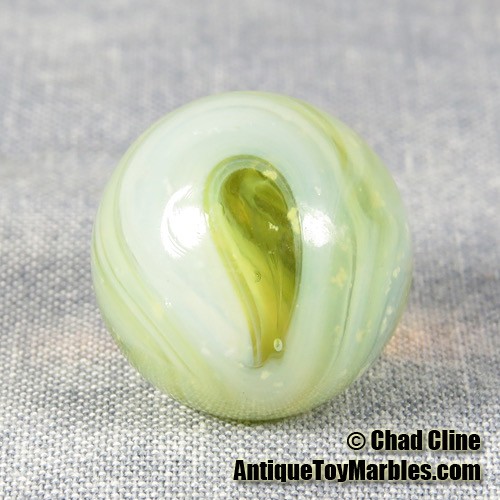
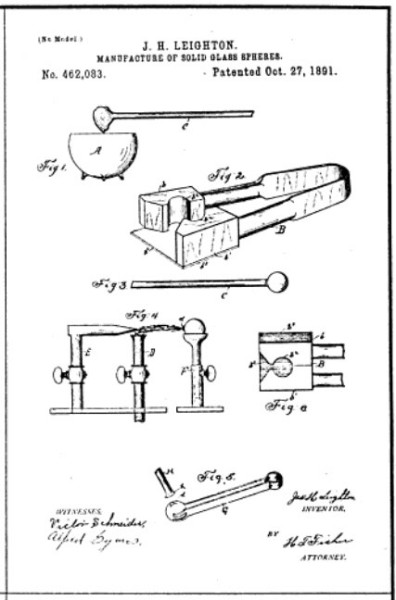
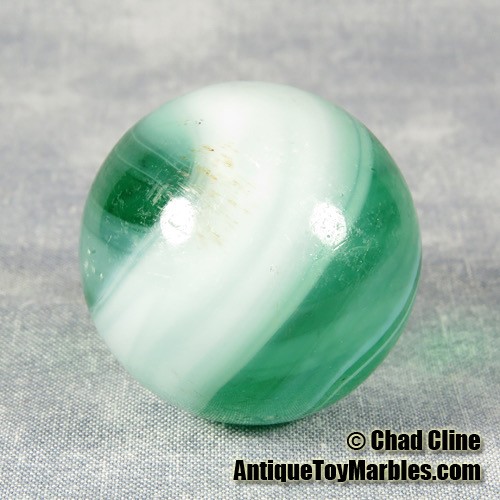
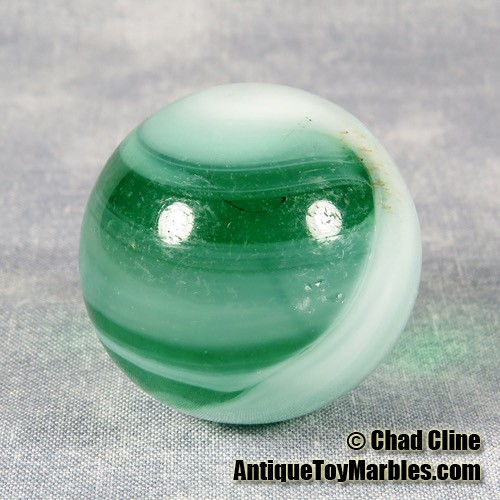
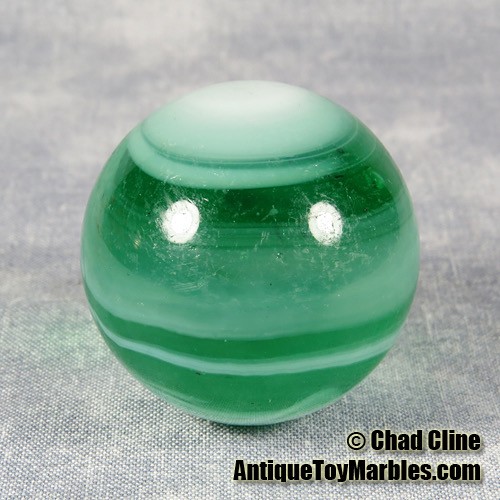
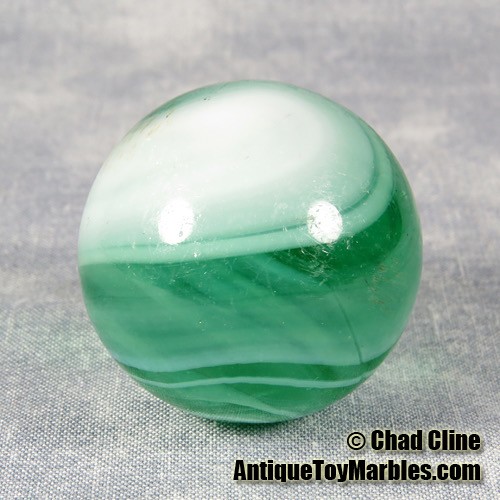
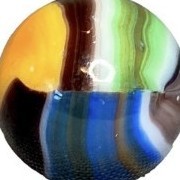
J.H. Leighton’s 1891 patent for the manufacture of solid glass spheres marks a major step forward in early American handmade marble production.  His process began by hand gathering molten glass on the end of a steel rod, carefully building up the amount needed for a single marble. While still hot and workable, the glass was rotated within a grooved former, shaping it into a near perfect sphere while remaining attached to the rod. After the marble was formed, it was cut from the rod, leaving a small rough projection where the glass had been severed. Rather than leaving this as a simple cut mark, Leighton refined the surface through a controlled finishing process. The marble was exposed to a concentrated flame, softening the uneven area without disturbing the rest of the sphere. Once properly heated, Leighton applied a specialized concave tool similar in appearance to a small golf tee to the softened spot with light pressure. This action pushed the remaining glass back into the body of the marble, smoothing and blending it into the surrounding surface. The result is the distinctive “melted” or “pressed” pontil, a defining characteristic of Leighton’s work and an important innovation in the evolution of American handmade glass marbles.
 7 points
 -
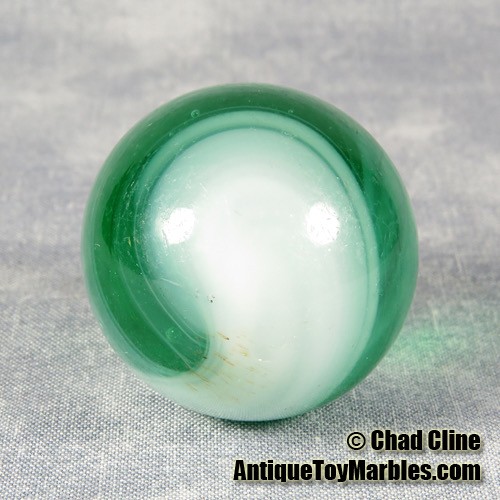
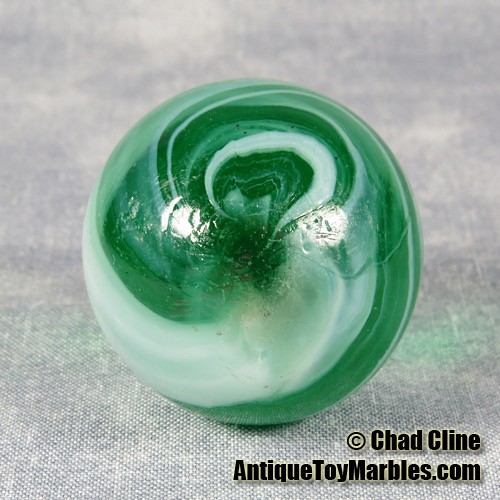
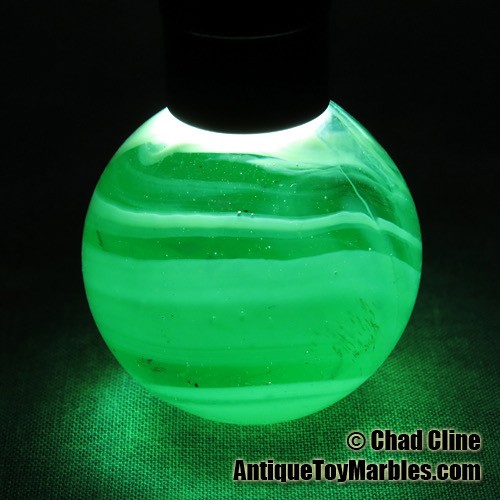
Marble mail days are the best days of the week! Sincerely grateful to add this piece to my Leighton collection. Always on the hunt for great Leighton made marbles! Measures 1 7/16”. Thank you for looking!
 7 points
 -
🙏✝️🙏☺️
 6 points
 -
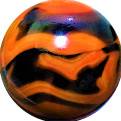
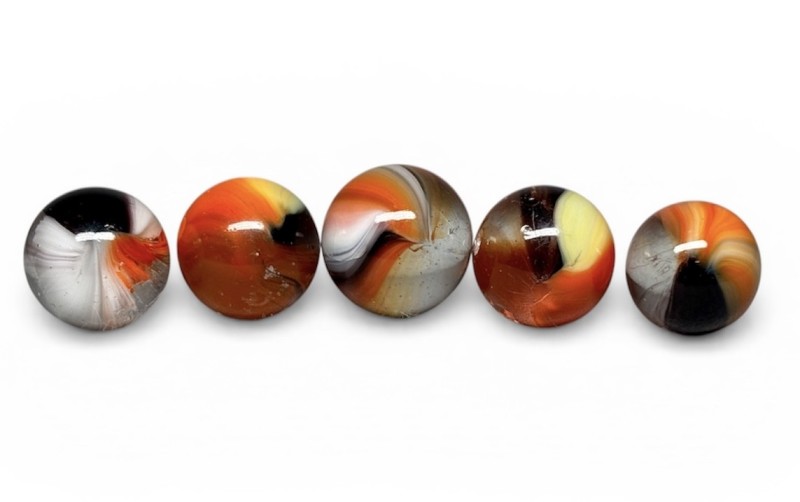
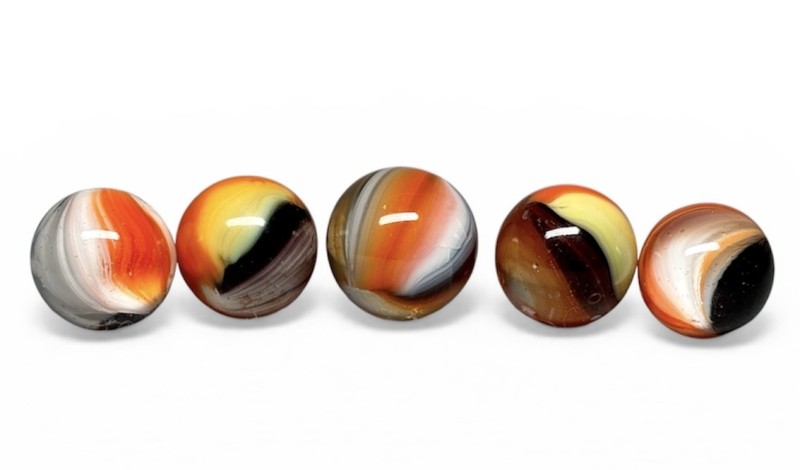
Master Tigers Eyes
 6 points
 -
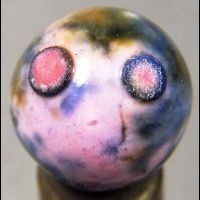
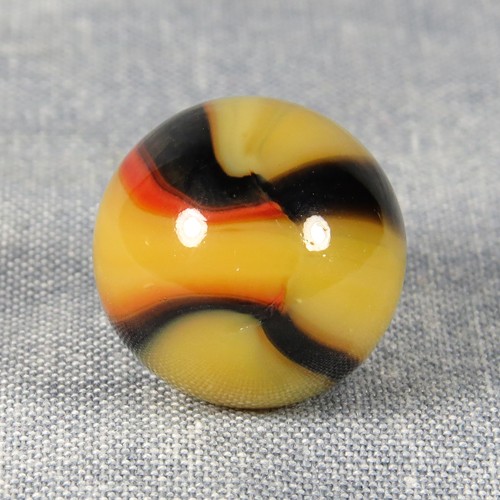
Here's kind of a neat one... Peltier "Poison Bee"
 6 points
 -
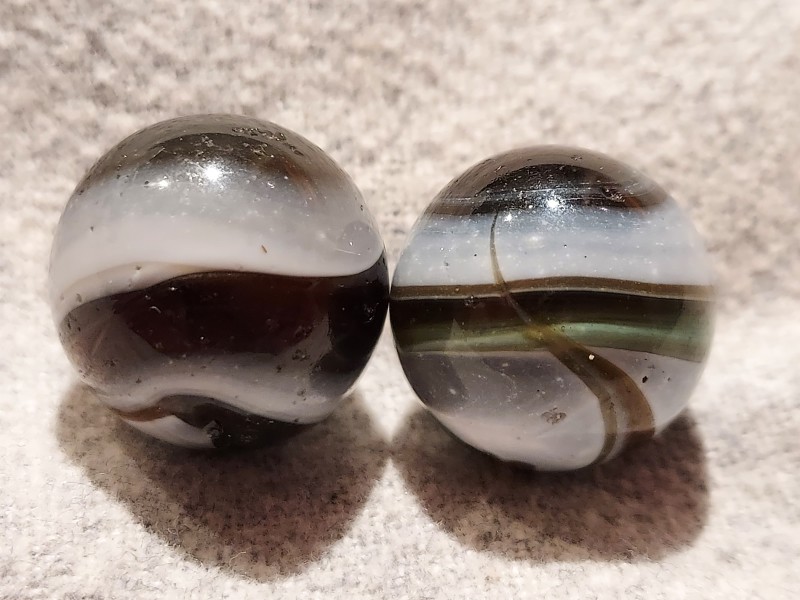
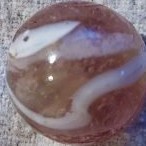
Another shout out to the York Nebraska marble museum and cateye1212 on ebay! Scored these two awesome deep amber pinch pontil Yasudas. One of them even has some nice teal inclusions!

 6 points
 -
Kim here. Favorites are JABO/DAS and more recently NLG. Have only been collecting about two years. I go to a lot of estate sales so have quite a bit of "everything"... or they might be nothing. Time & ID videos will tell🤭. This group has been super helpful... so glad I found you.
.thumb.JPG.fb66fb171cc1380db5811268121c75eb.JPG) 6 points
6 points -
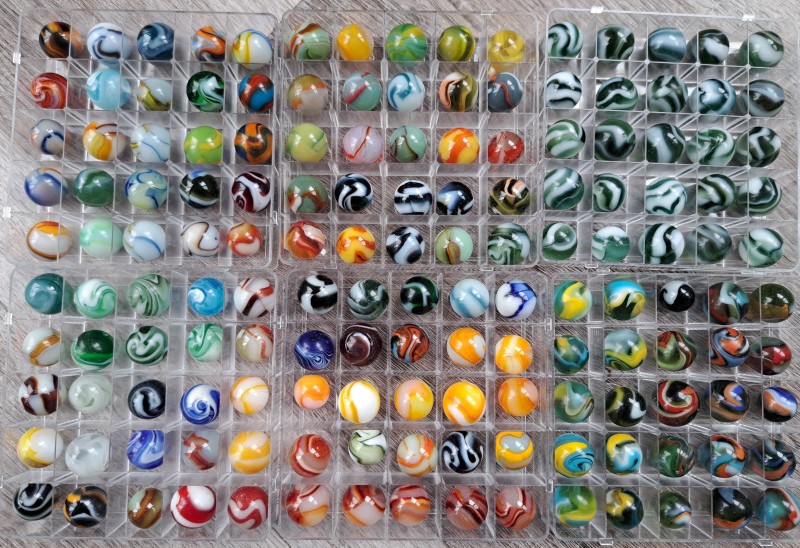
Been awhile since I dug these out for some fresh air. Enjoy
 5 points
 -
5 points
-
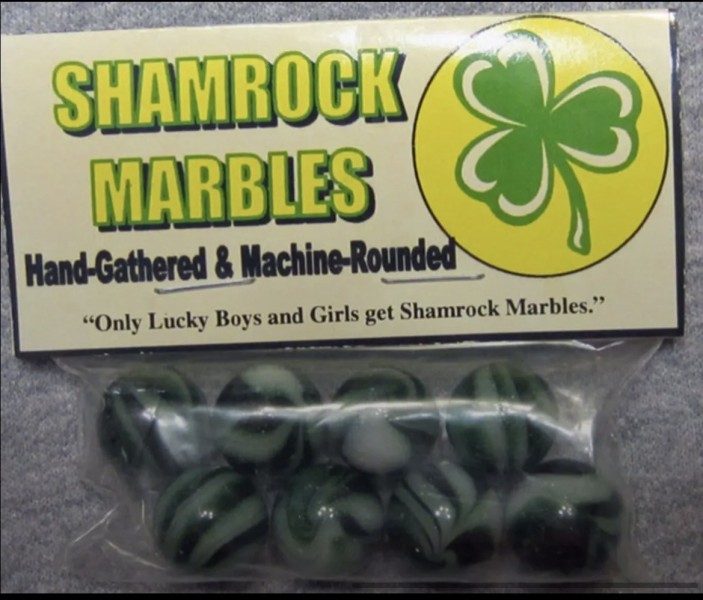
Thank you, Tommy. Another note: That packaging was a second generation. The first generation (2003) had the trimmed bag top up inside the header. The marbles were trapped (not removable). I decided to invert the bag so the zip-lock was at the bottom. That allowed the marbles to be removed for enjoyment.
 5 points
 -
Its not sounding my JABO memory, but It could still be. Vitro is my guess.5 points
-
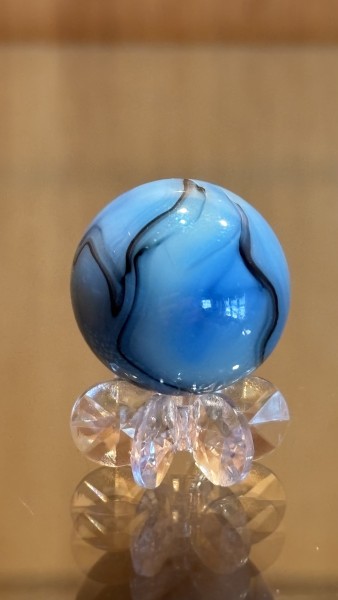
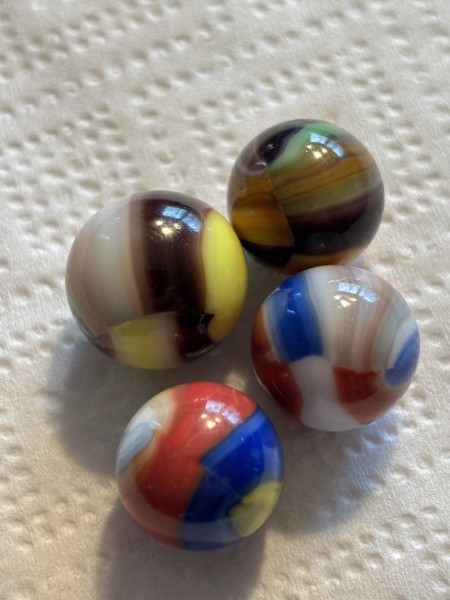
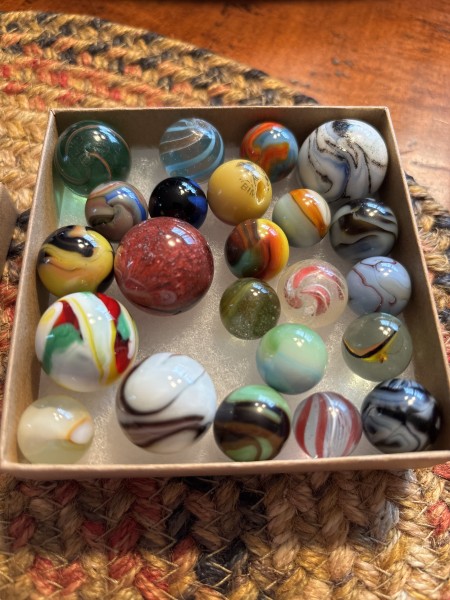
A Jabo we recently added and some MK and this pretty little box
 5 points
 -
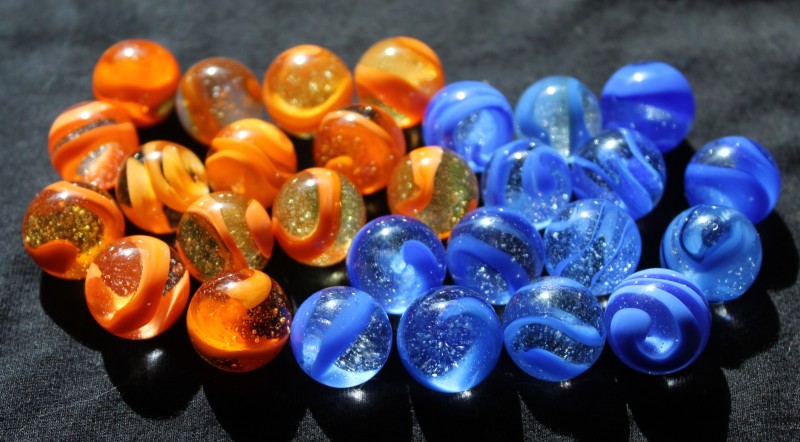
It's Akro Friday ❤️
 5 points
 -
4 points
-
Oh I really like this one. So glad for all the close up shots too! Wonderful collection and great video you put together. Thank you! Click on the link to You Tube Worlds Largest Marble King Collection - Curated by George Armann The sound effects and background music is always a plus. You are a funny one Stephen, I'm a big fan. Thanks!4 points
-
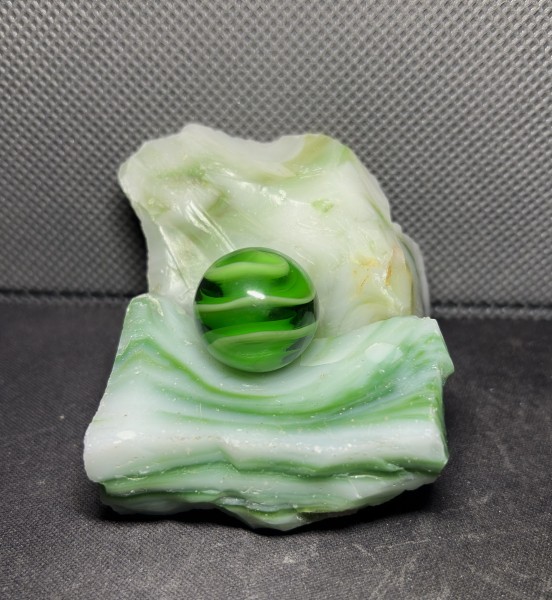
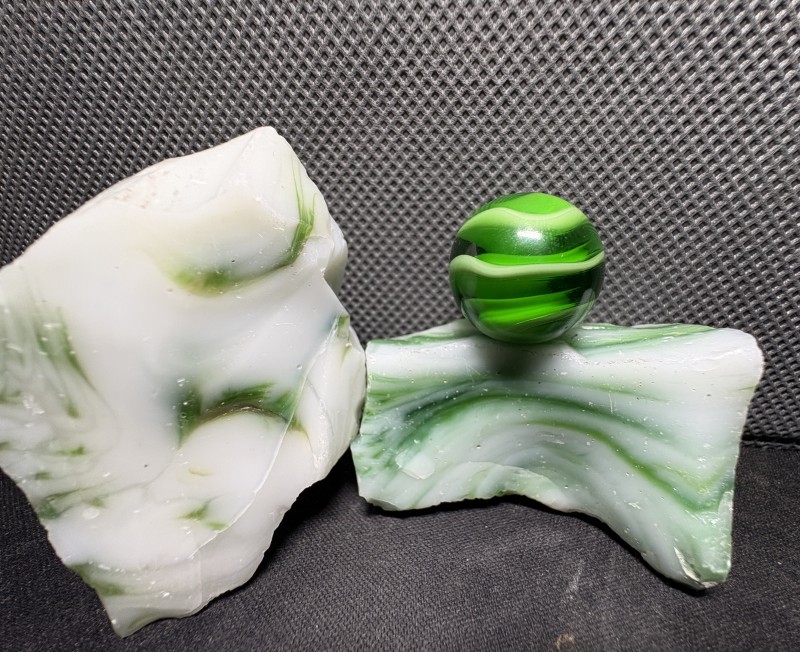
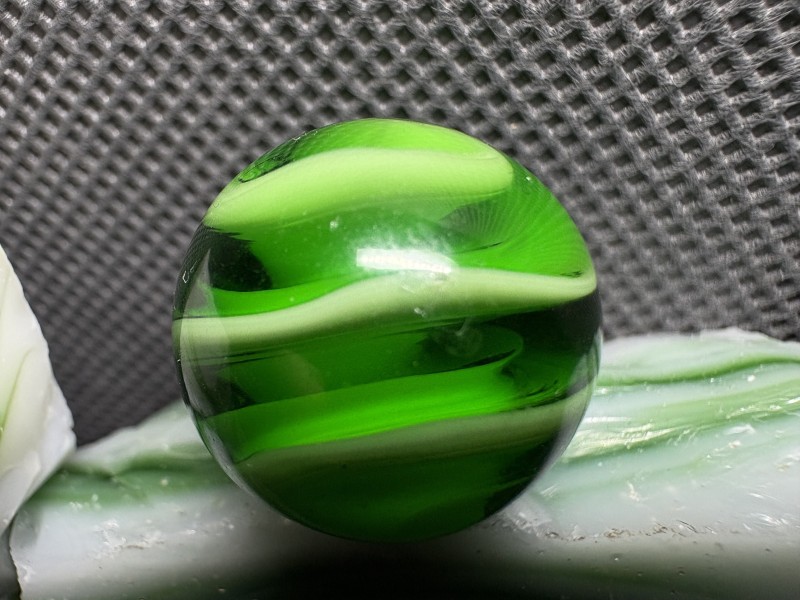
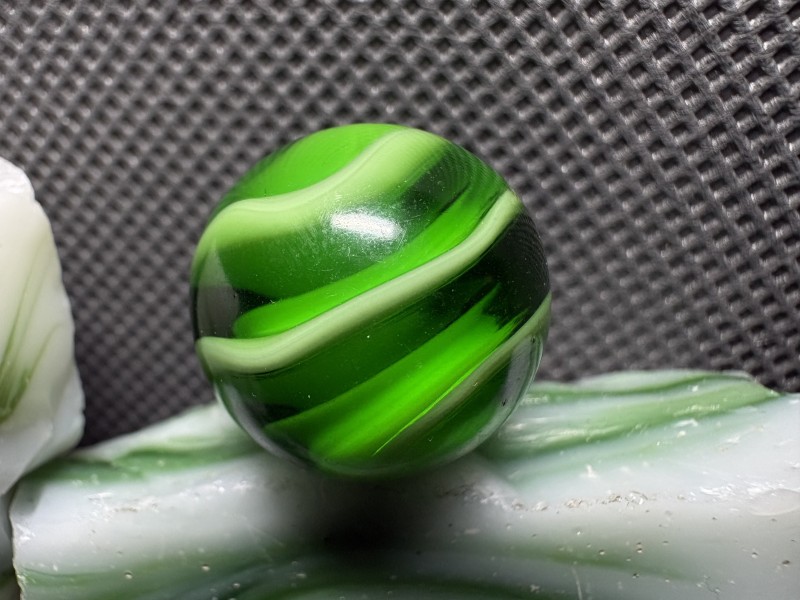
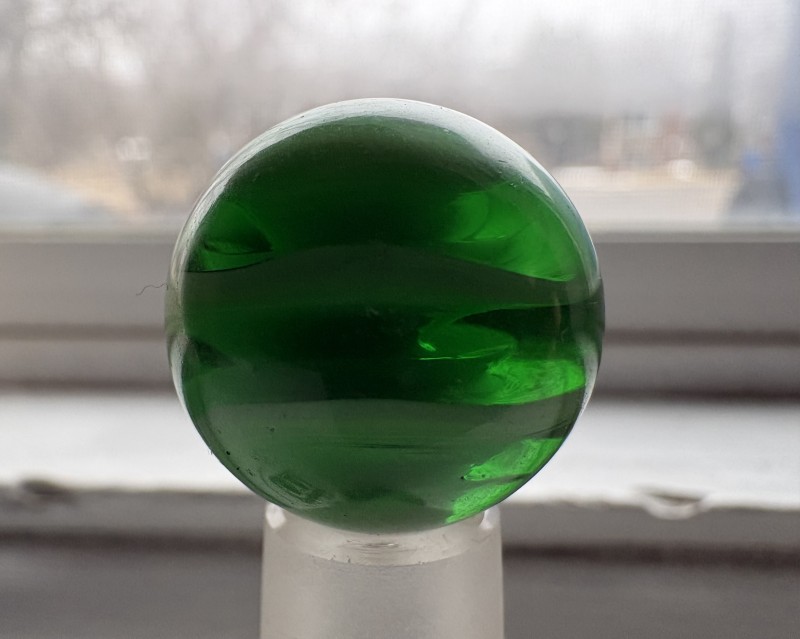
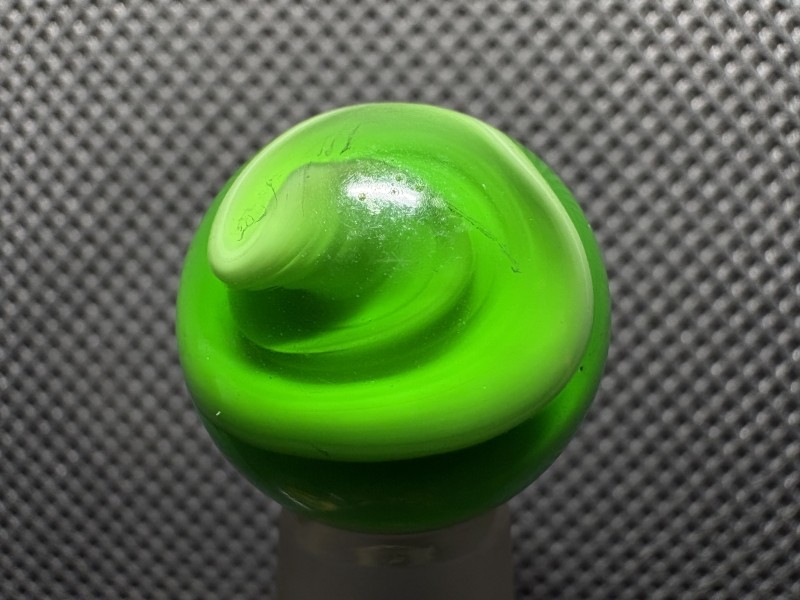
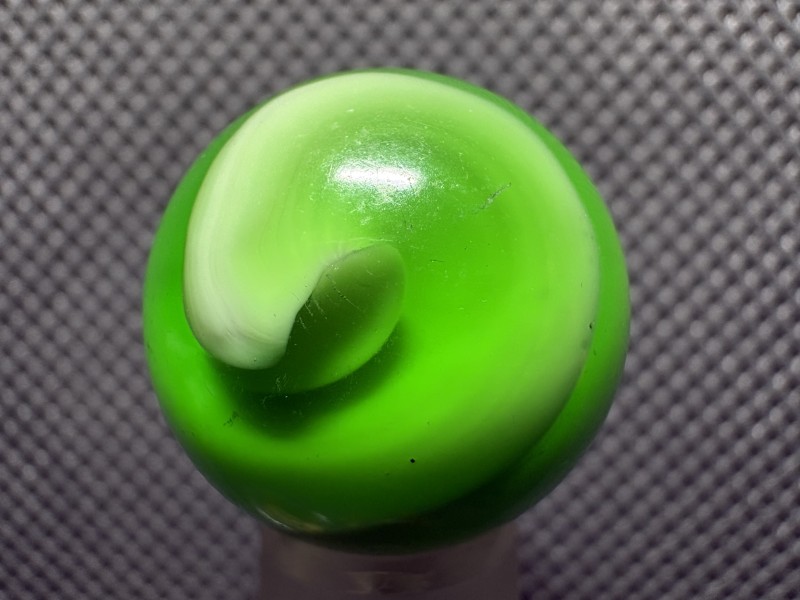
.80” corkscrew double ribbon auger with akro dug cullets
 4 points
 -
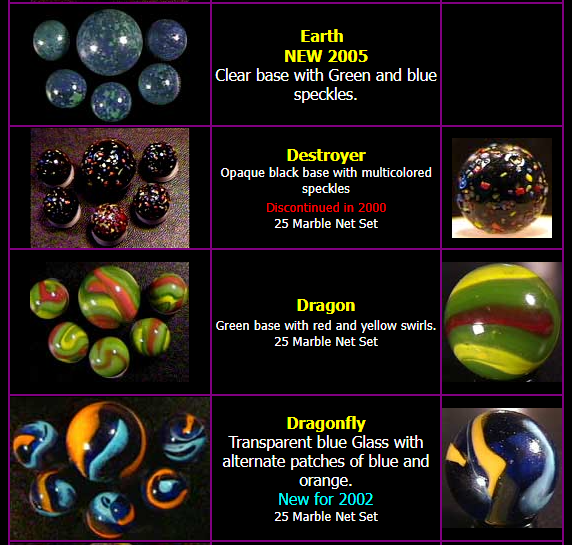
there is also the "Destroyer" which was a black based speckled marble made by Vacor style up to the year 2000...these are fairly rare and hard to find. "Destroyer" second set down in the photo below:
 4 points
 -
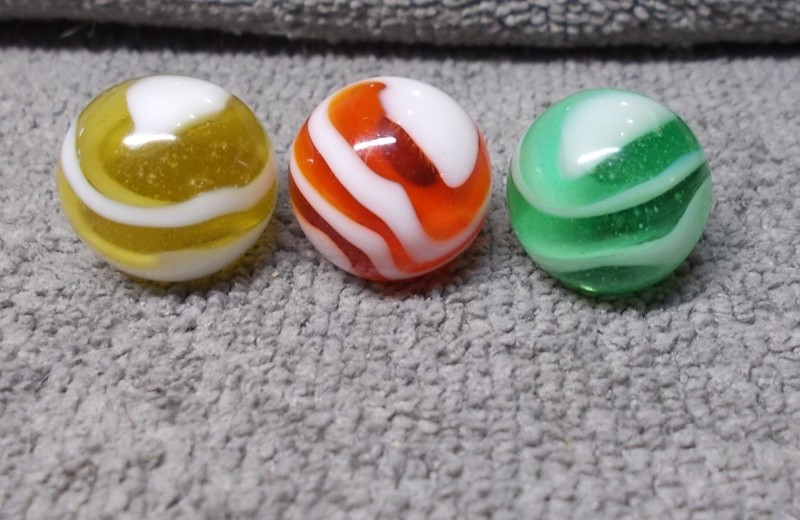
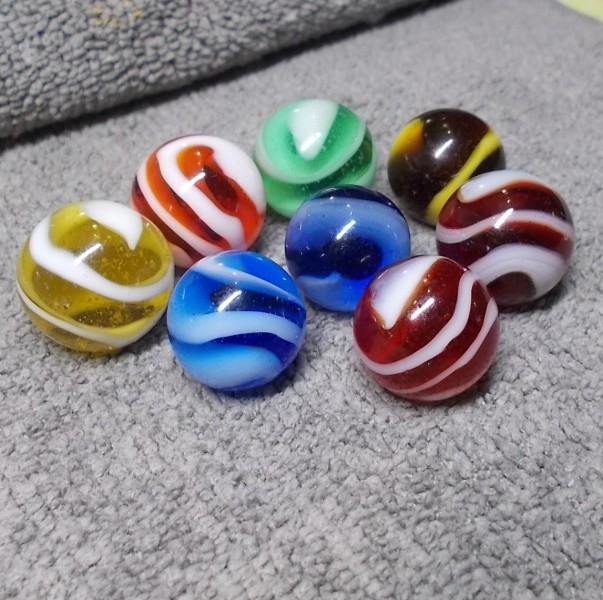
I've added a few new marbles to my collection. Thought I'd share ☺️
 4 points
 -
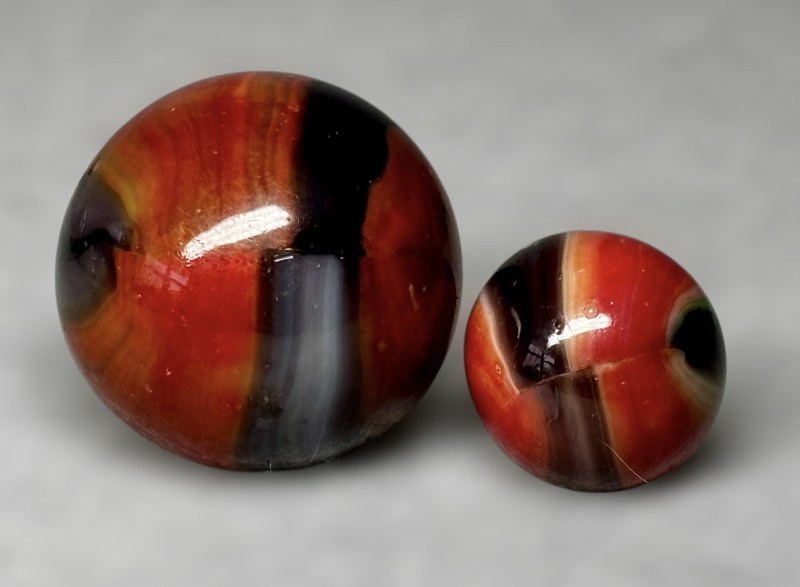
Wasp
 4 points
 -
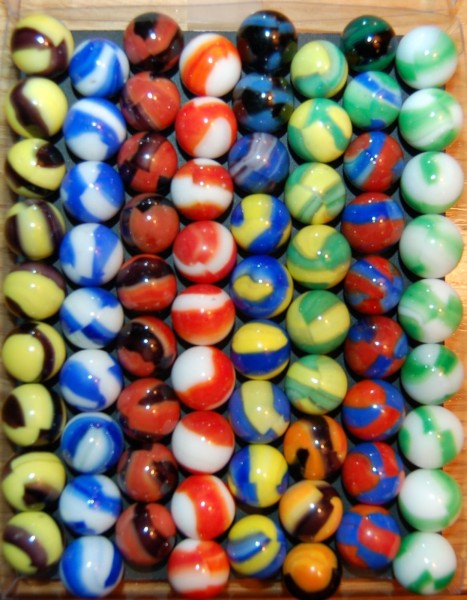
I never did get a watermelon
 4 points
 -
good Sunday! 🎧 3.mp44 points
-
Today I received a letter from Maxx's father, who turned 93 years old this January. The letter was written by his wife. I am withholding his name for privacy. "Maxx's father was a seminary student preparing for the ministry around 1956 or 1957 when the company went bankruptcy. The cause was a trusted employee who took all the company funds and disappeared. This was something I heard from my mother-in-law many years later. After the bankruptcy Naoyuki spent his remaining years battling illness. He attended our church wedding in October 1963 in a wheelchair. 2 years later on the morning of 13 October 1966, he told his wife 'Smile, smile. Heaven is here,' and passed away that night at 10 p.m., surrounded by family."4 points
-
Heaton, htf color.4 points
-
I really do see what you're getting at. These which you are showing today are nicely constructed. Wish I could be more helpful. Signed, Here for moral support4 points
-
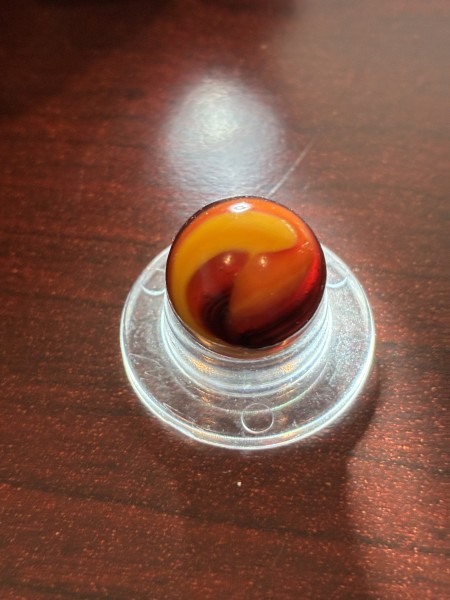
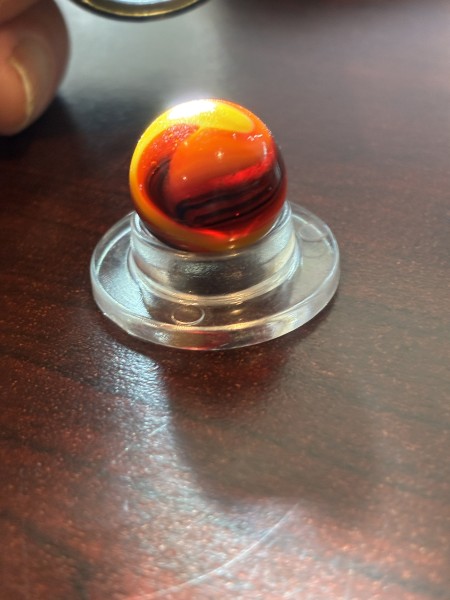
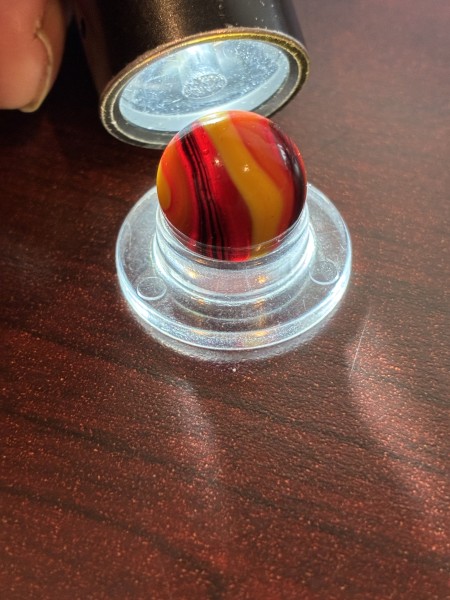
Forgot about this one, was with my Popeyes… 5/8” there are 4 black hairs tracking the yellow.
 4 points
 -
And I am thinking Vitro... Agree with pretty awesome mib either way!4 points
-
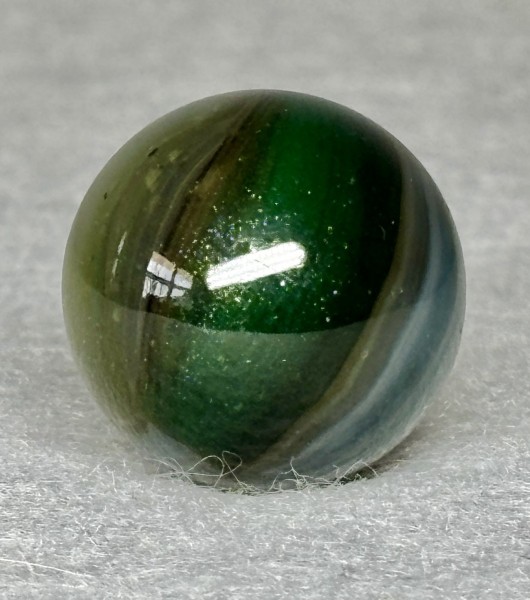
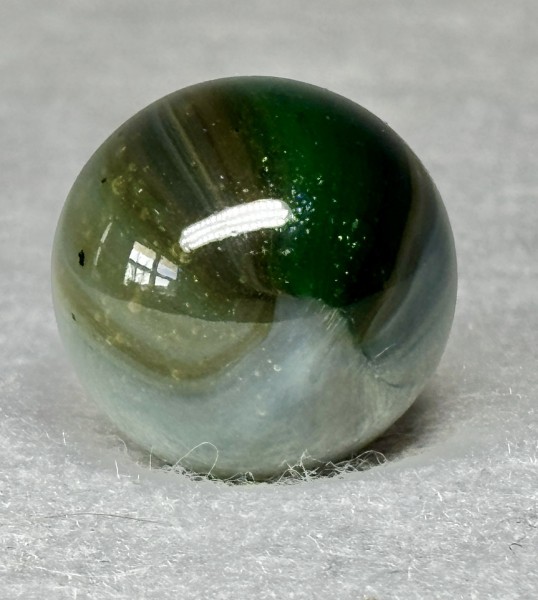
Master with aventurine 3/4”
 4 points
 -
4 points
-
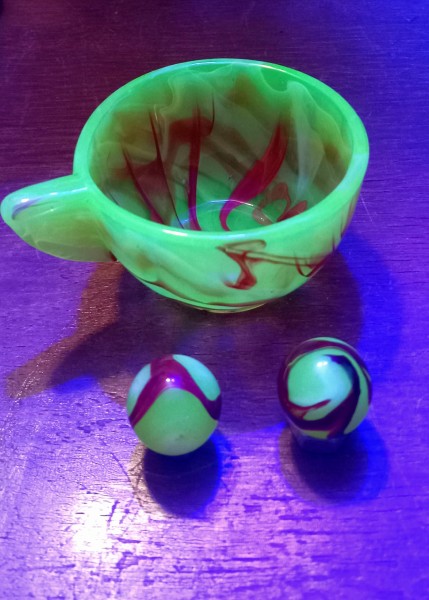
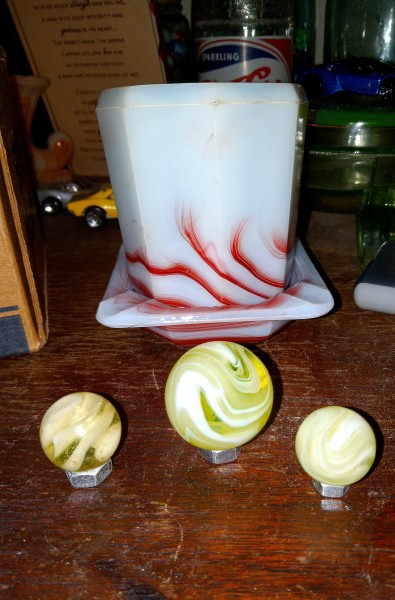
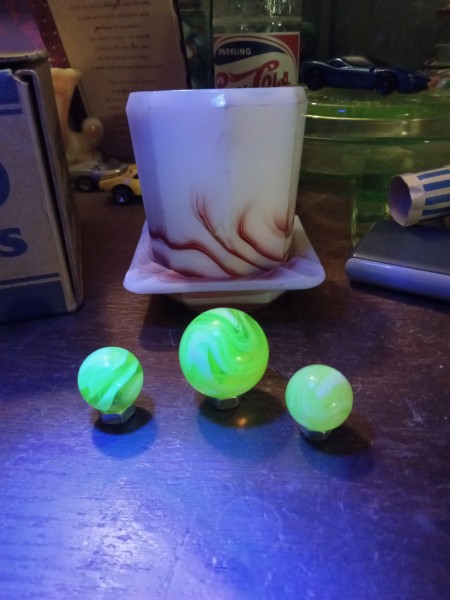
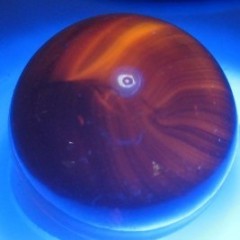
Needless to say, Linda and I are huge Akro fans. The 1 inch uv slag is the newest addition to our collection. ☺️🙏✝️🙏
 4 points
 -
May have one or two Akros or Vitros in here
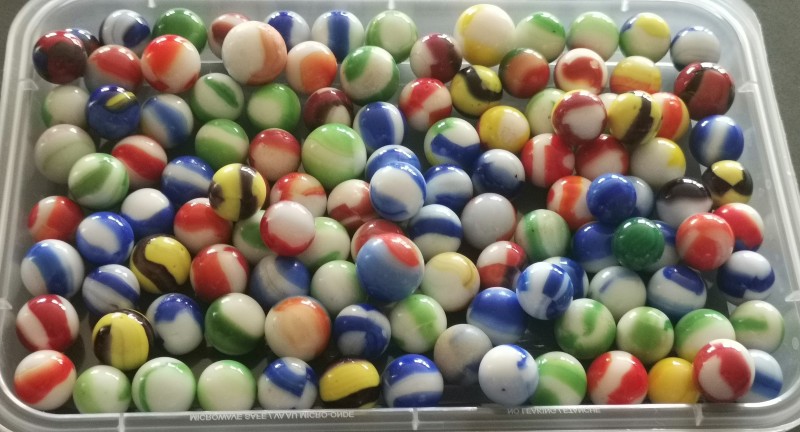
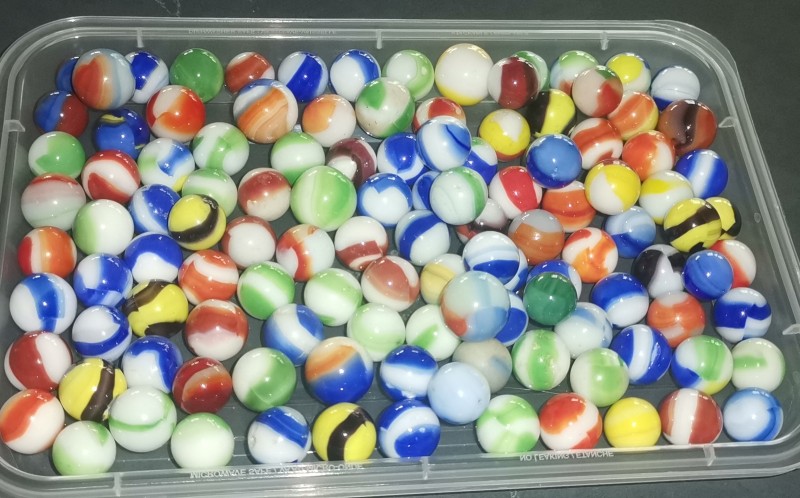
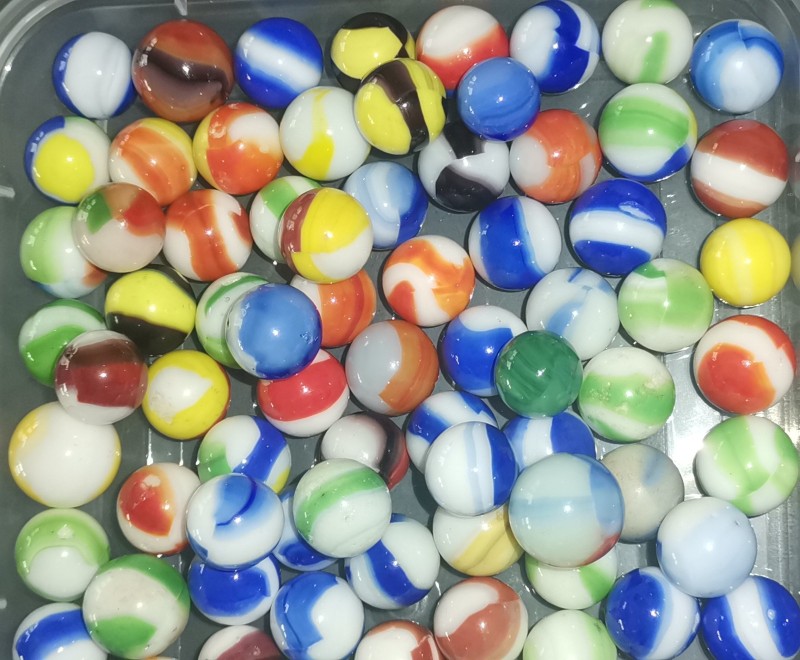
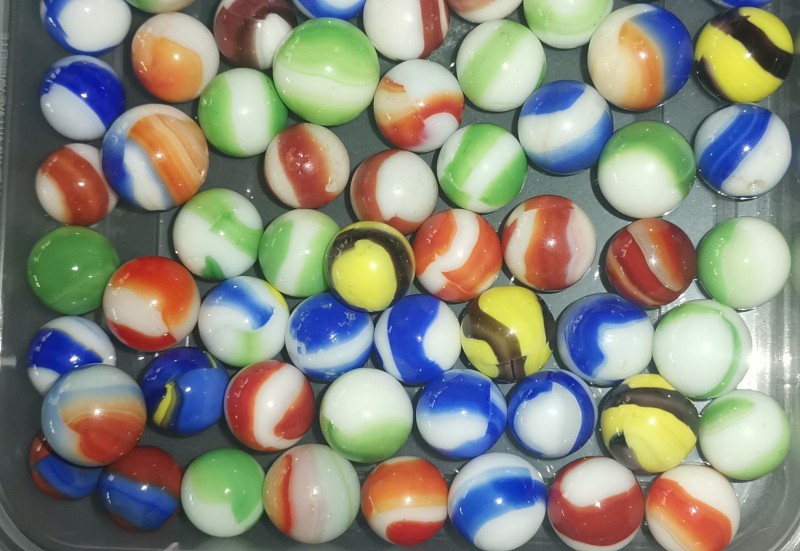 4 points
 -
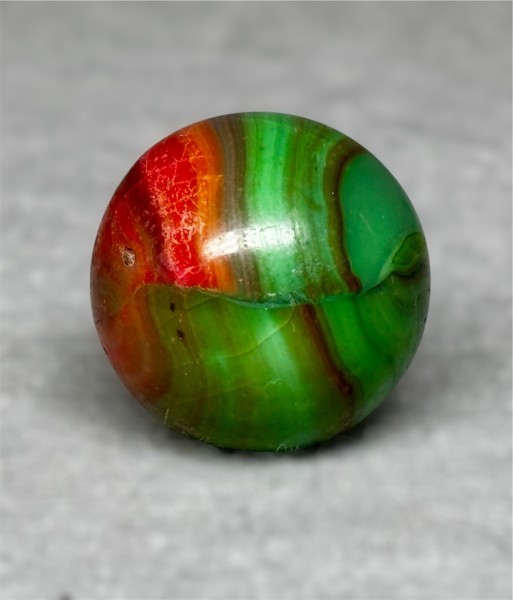
Marble King Sunset
 4 points
 -
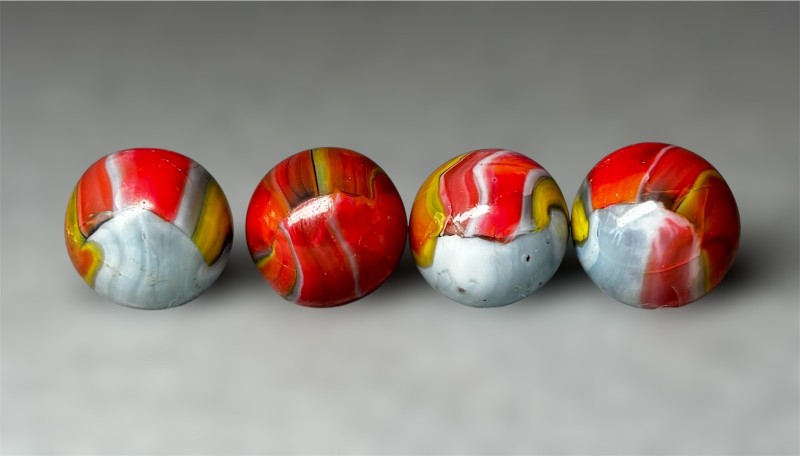
Marble King Sunrise
 4 points
 -
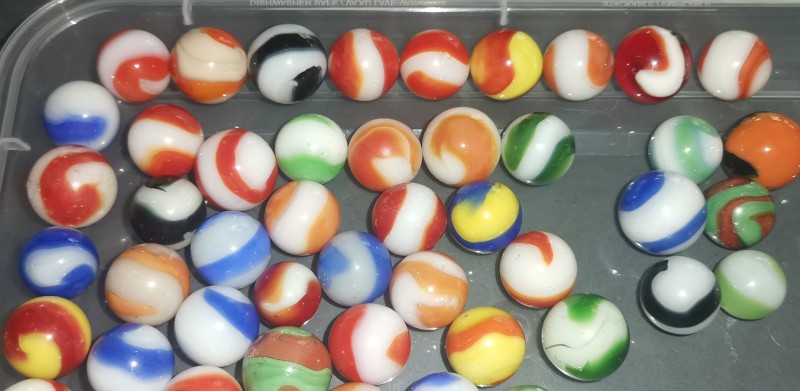
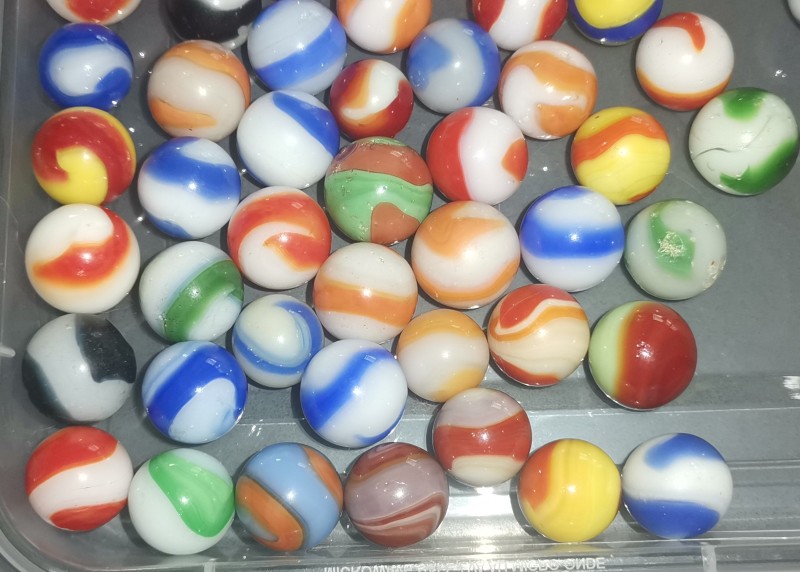
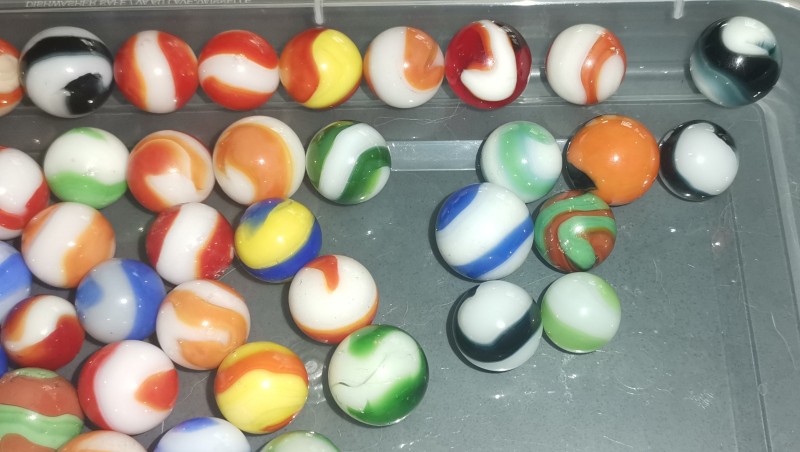
Those Snakes are awesome! And just in case it has not been said enough, Akros are super cool!

 4 points
 -
3 points
-
Imho, this one is a WVS of some sort. I do not think that it is a Jabo. More opinions are needed here. Marble--On!!3 points
-
Peacock- Core 🎧 2.mp43 points
-
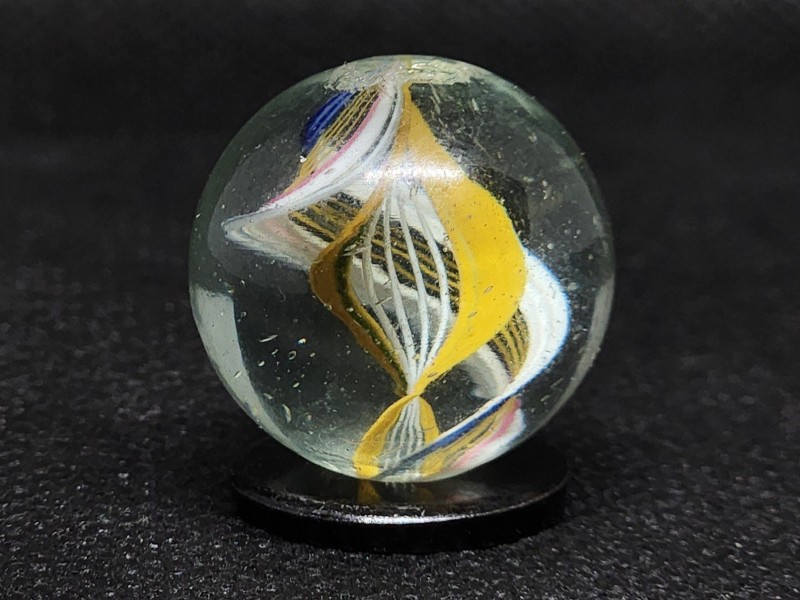
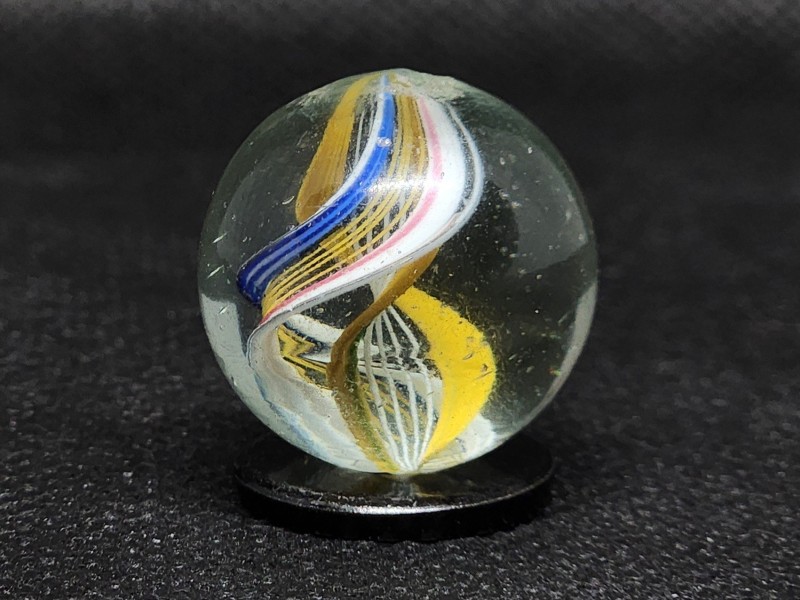
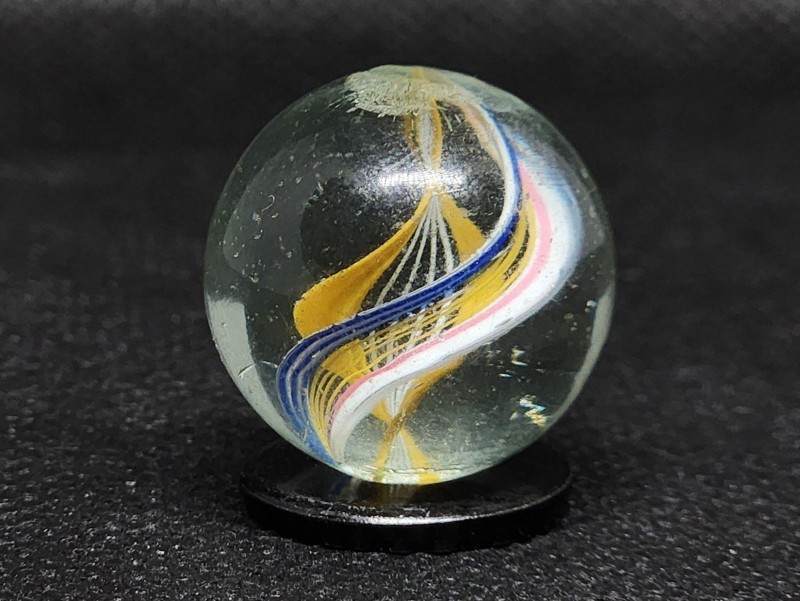
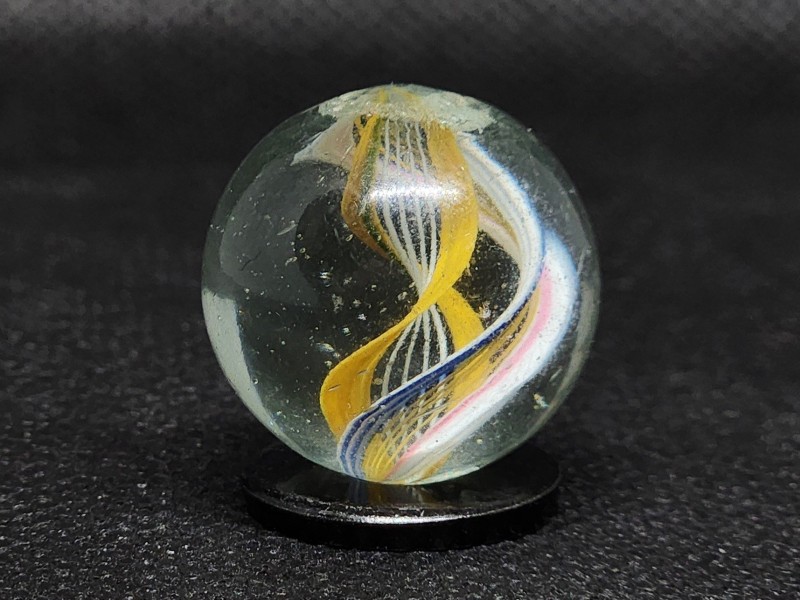
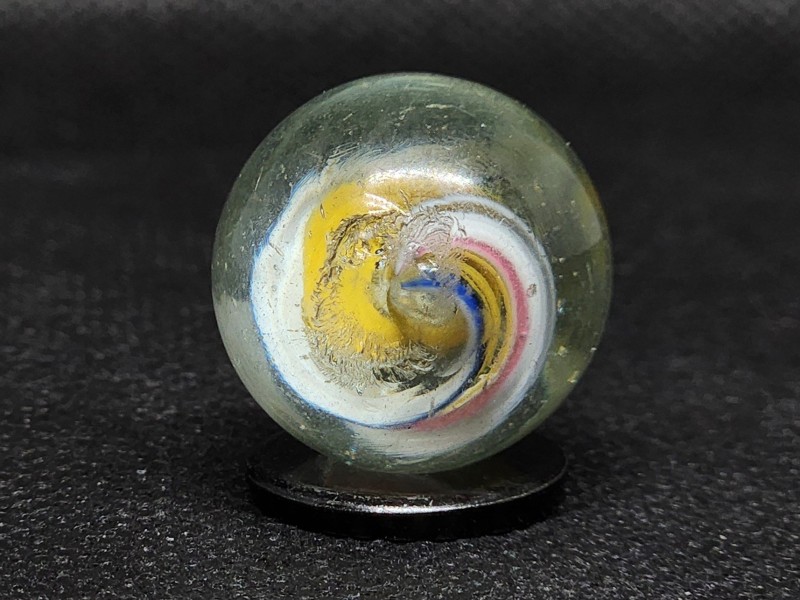
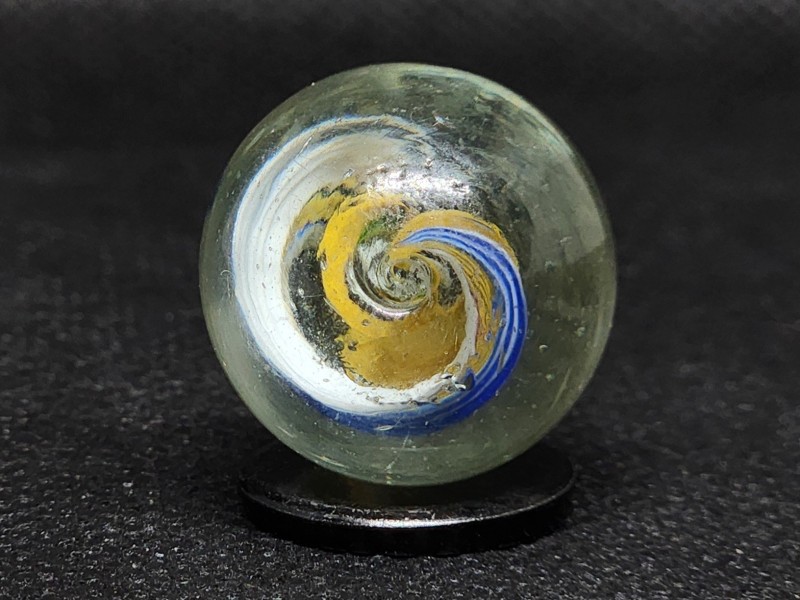
Scored this .75" latticino razor ribbon for $19
 3 points
 -
X23 points
-
Peltier rainbo? looks like a sunset3 points
-
Thank you for sharing Nickel Guy! It was fun filming it!3 points
-
Akro3 points
-
I agree with you and your statement. The German handmade marbles and the “Stone Agates” were the main competition at the time the glass marble industry started in the USA. Notice that many USA marble companies used the term "Agate" to describe their glass marbles. Good observation here— Nice “Master Made” as well. Thanks for sharing it along with your thoughts. Marble—On!!3 points
-
Vitro trilite3 points
-
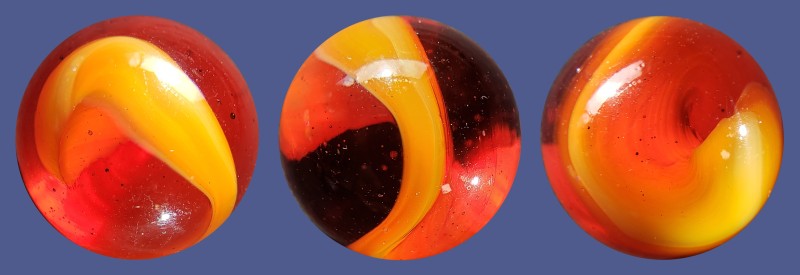
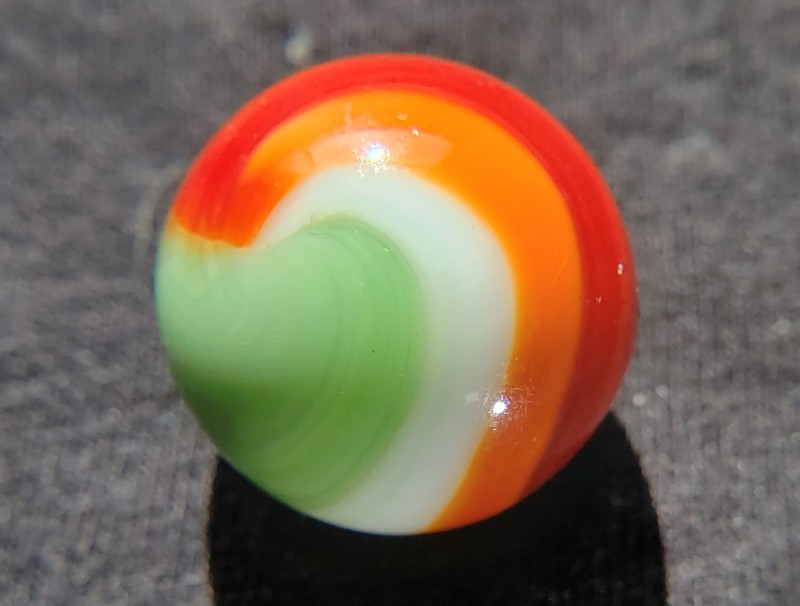
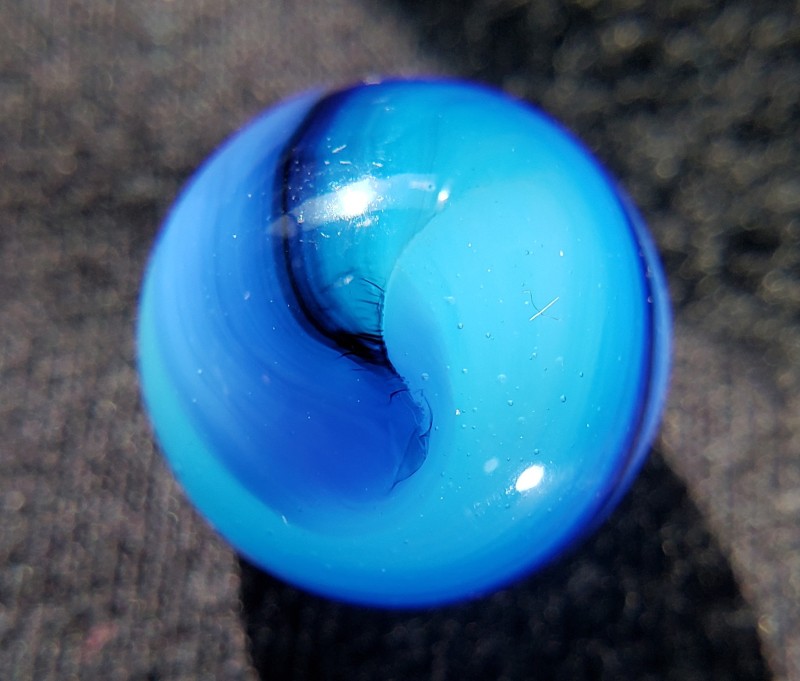
For Akro Friday! The first one is 11/16", the second is 23/32", and I'm pretty sure that last one, the Blue is 5/8"
 3 points
 -
3 points
-
3 points
-
These MK have fantastic colors, I’ll have to decide to chase them more..3 points
-
You're Welcome3 points
-
Ravenswood or Alley, leaning Alley IMO, West Virginia Marble either way3 points
-
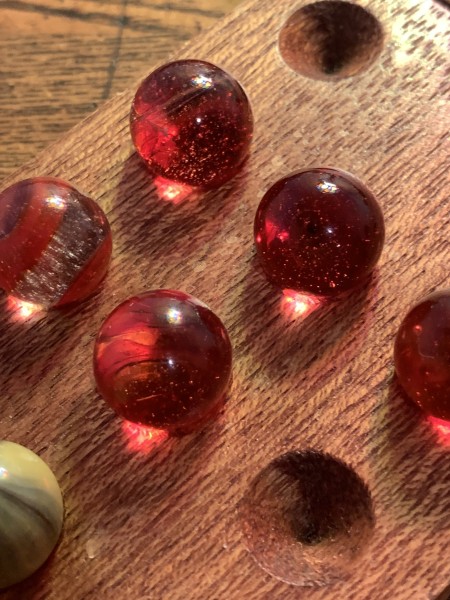
Also 5 5/8” crystal red corks.
 3 points







.JPG.e8126961d2d3a2ab401b3eb5429ef3ad.JPG)










.JPG.fda6395c38f0825f2249ef858a0cb63c.JPG)


.thumb.webp.0c24418ca0b1936ab8c4995b1a74395b.webp)