Leaderboard

Popular Content
Showing content with the highest reputation since 04/16/25 in all areas
-
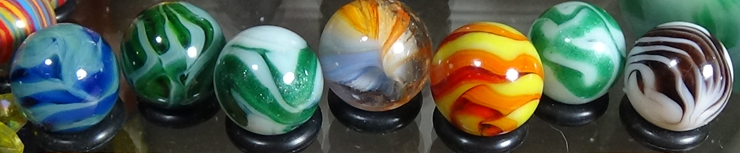
Some of mine
 9 points
 -
This was a great year for finding marbles!
 9 points
 -
I retired back in 1998 and a Realtor friend, Landon Daniels, collected marbles and invited my wife and I over to visit him and see his collection. He put a quilt on the table and opened his safe and started showing some rare or HTF machine-mades and handmades, saying this one is $1,000; this one $2,500; this one $600, etc. He also showed me his shooter Peltier Superman and a Vacor Serpent and mentioned a "little bit" of value difference, even though they looked pretty much the same - especially to me since I knew zip at that time. He said there are many others that are hard to tell apart so "learn before buying". We went to a SeaTac Show in Tacoma a couple months later (just on the Saturday show day) and looked around - ended up buying one marble - a Marble King Bumblebee shooter for $5. After that, I started looking online and determined that buying packaging (mainly marble bags by MK, Peltier, etc.) was a good way to learn about marbles. Of course there were some fantasy bags being made around that time but they were not ones made by marble companies so I knew something was off. Alan Basinet and I got together online and communicated about these fake bags and started letting buyers on eBay know that they were bidding on fake bags (back then you could communicate with buyers and warn them). However, as we all know, eBay needs their fees so soon they changed it so you could not communicate directly with buyers through eBay. But, you could still see the ID of who was bidding and figure out how to get ahold of them and still warn them. Six months later or so, eBay found that out also and quit showing the ID of who was bidding, etc. and here we are today with a "buyer beware" mentality of eBay (and other sites). Oh, by the way, bags were "the thing" for me and 4,000 plus later, they still are. I did heavily collect Akro corks, metallics, Ravenswood and various other machine made marbles over these 25+ years.9 points
-
It started for me in the mid 1980s. Maybe 85 or so. I was visiting my grandparents and my mother went up in the attic and found her old marbles from when she was a kid. There were marbles from the early 1960s on back to turn of the century. I collected anything you can imagine, and knowing they were old interested me. Then when we were at a local antique store, I noticed the owner had some marbles in a case behind the desk. I asked him about them and he loved how much I was interested, so he started telling me about those cool corkscrews I liked so much and others. He sold me a few as I could afford them and I was totally hooked. I asked for old marbles everywhere I went. I thought I had it bad back then... lol if I only knew. But it's just fun, what really matters isn't made of glass.
 9 points
 -
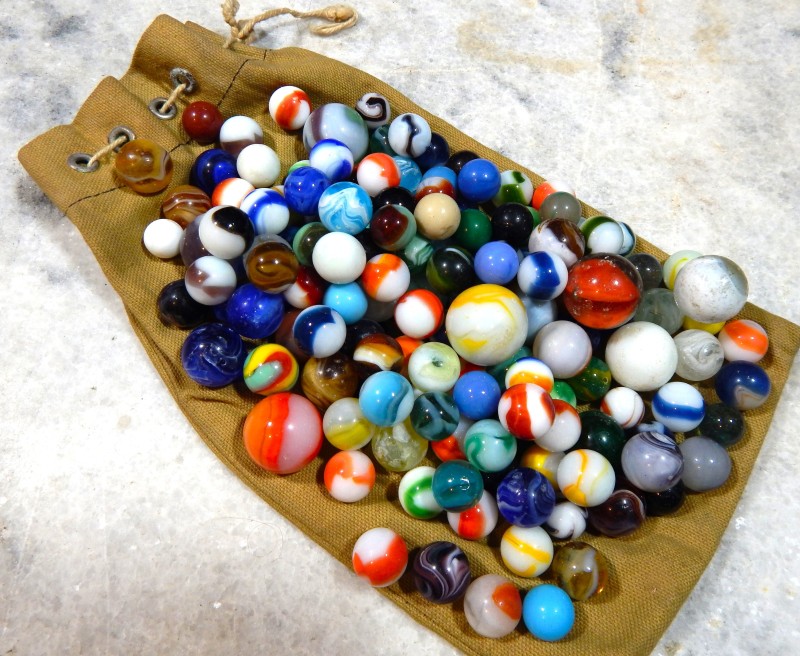
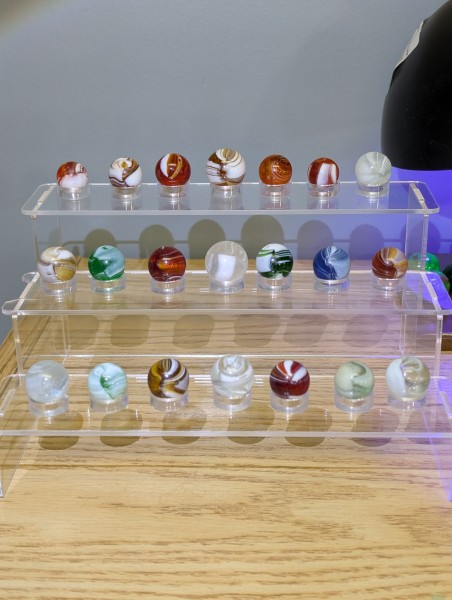
@Fire1981 mentioned this to me a while back. I have now assembled what I have...21 in all colours and sizes. These are definitely one of my favorites
 8 points
 -
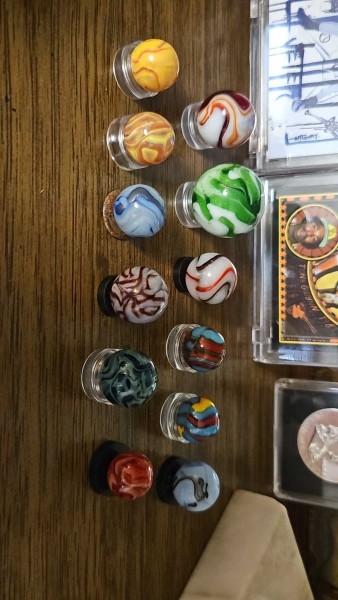
A few of mine
 8 points
 -
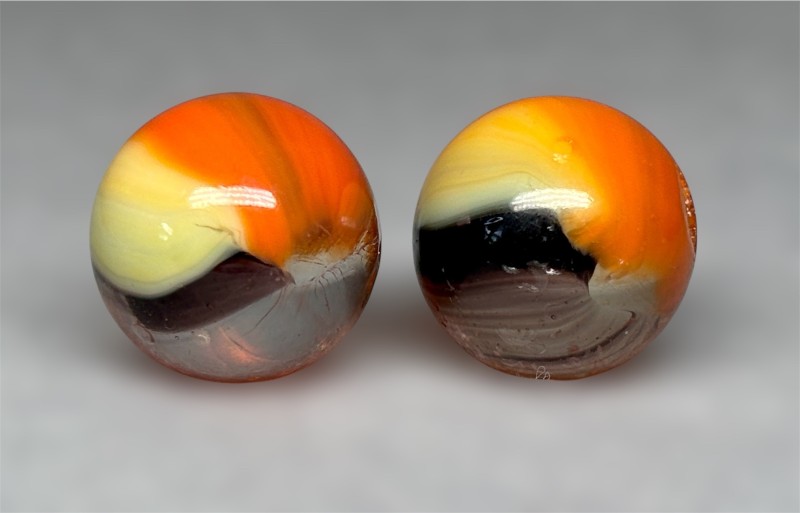
Master Tigers Eyes
 8 points
 -
I have had a few pocket marbles over the years but the "magic bean" is the one I've carried ever since I found it digging the Alley Pennsboro site with Nola, Ron and Billy. It's one of my favorite things. 🙂8 points
-
I would again like to thank all the people that respond to my many posts. I have been off work due to surgery. Today I found out I will be off for another month to recover. Marbles have really been a bit of a savour for me. Therapeutic for sure! I have had down days, and I head down to my office, sort marbles, take pictures and post them here. When I guess one right, or find something really cool, it makes me happy. I have learned so much in a short time on this site. Sometimes I get over zealous and post a bunch in one day. I apologize if sometimes I fill the page. Just know, this is a day I am sitting, and healing in my own way. Thank you again to all that respond to my posts. I have had some dm chats with some of you, and welcome anyone to drop me a message. All the best to all of you. And thank you one more time!8 points
-
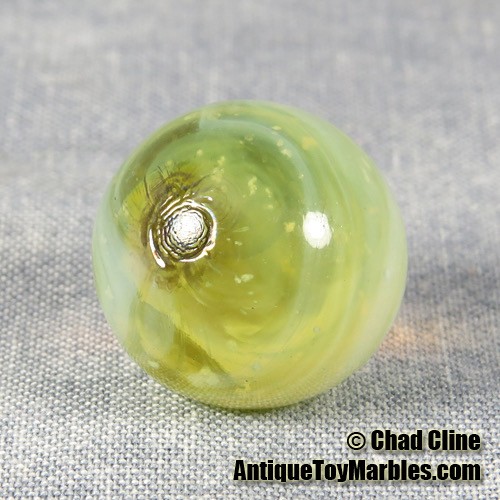
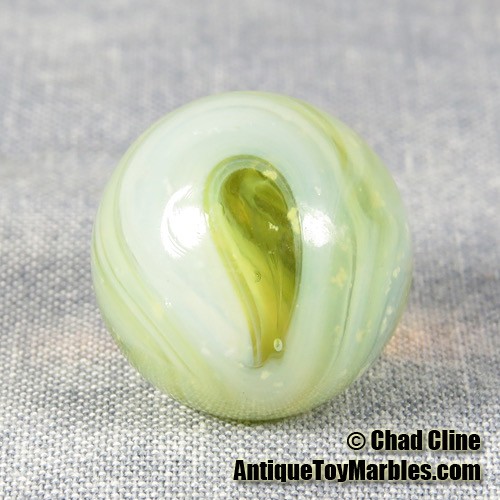
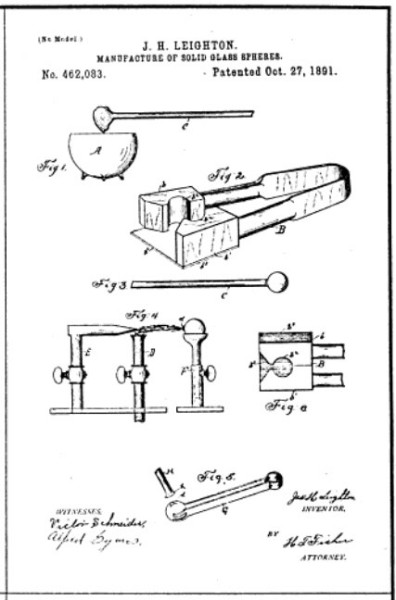
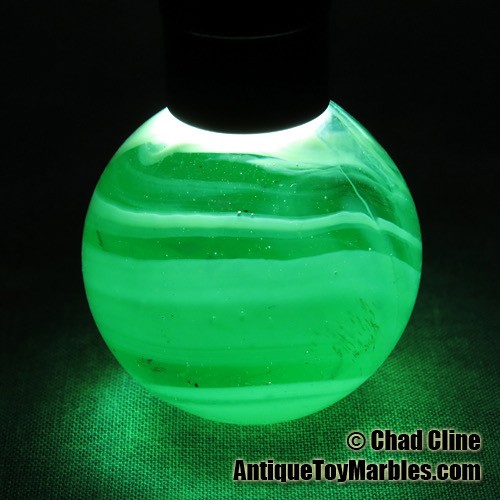
J.H. Leighton’s 1891 patent for the manufacture of solid glass spheres marks a major step forward in early American handmade marble production.  His process began by hand gathering molten glass on the end of a steel rod, carefully building up the amount needed for a single marble. While still hot and workable, the glass was rotated within a grooved former, shaping it into a near perfect sphere while remaining attached to the rod. After the marble was formed, it was cut from the rod, leaving a small rough projection where the glass had been severed. Rather than leaving this as a simple cut mark, Leighton refined the surface through a controlled finishing process. The marble was exposed to a concentrated flame, softening the uneven area without disturbing the rest of the sphere. Once properly heated, Leighton applied a specialized concave tool similar in appearance to a small golf tee to the softened spot with light pressure. This action pushed the remaining glass back into the body of the marble, smoothing and blending it into the surrounding surface. The result is the distinctive “melted” or “pressed” pontil, a defining characteristic of Leighton’s work and an important innovation in the evolution of American handmade glass marbles.
 7 points
 -
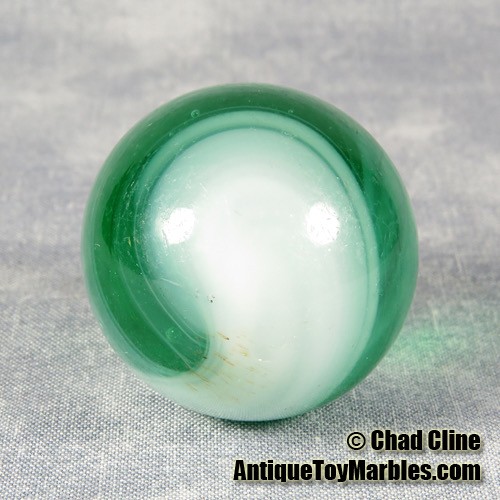
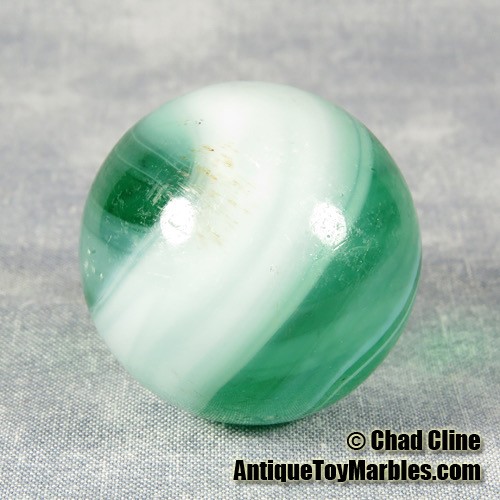
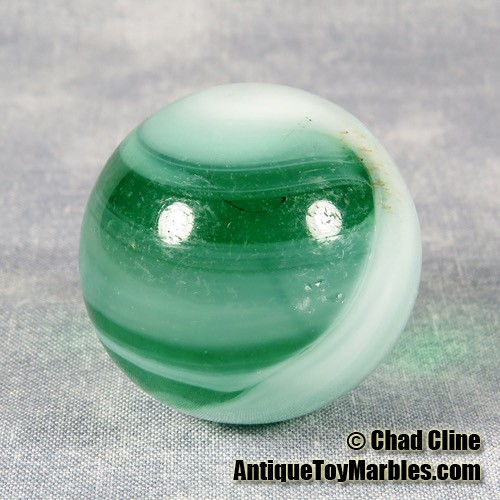
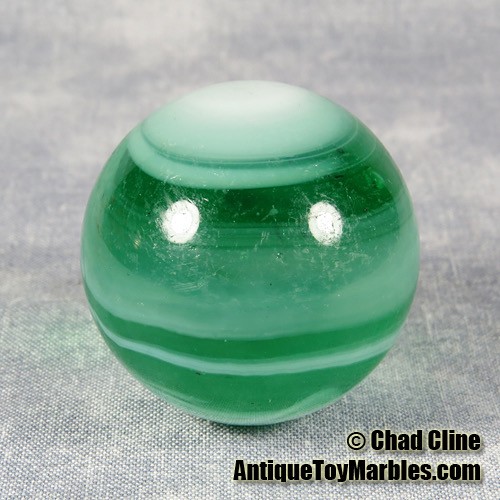
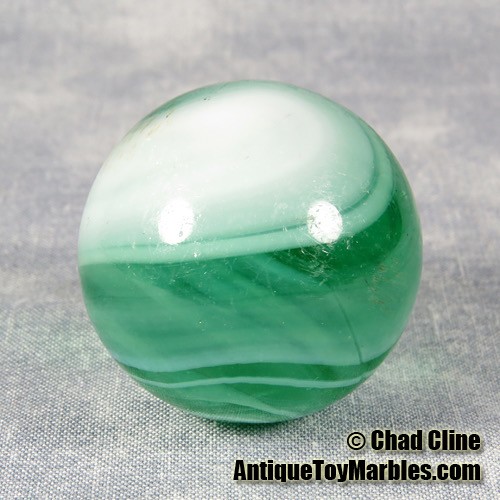
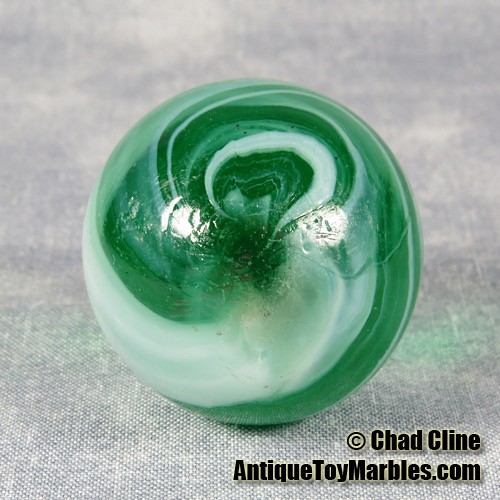
Marble mail days are the best days of the week! Sincerely grateful to add this piece to my Leighton collection. Always on the hunt for great Leighton made marbles! Measures 1 7/16”. Thank you for looking!
 7 points
 -
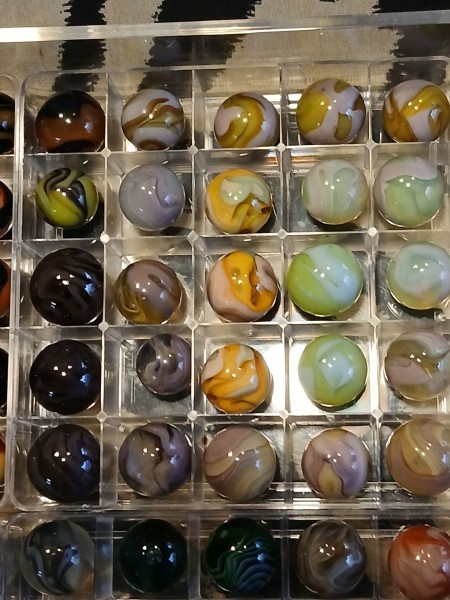
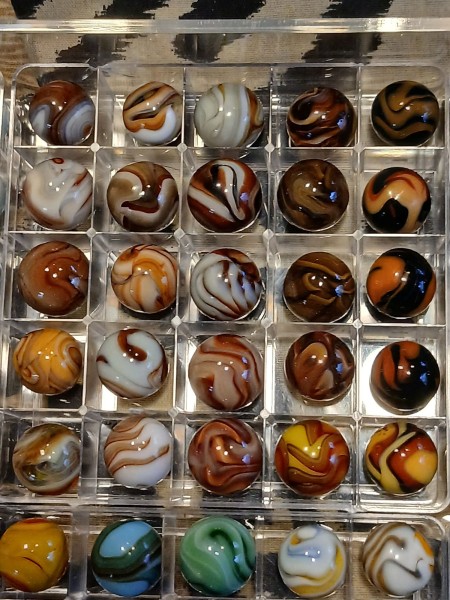
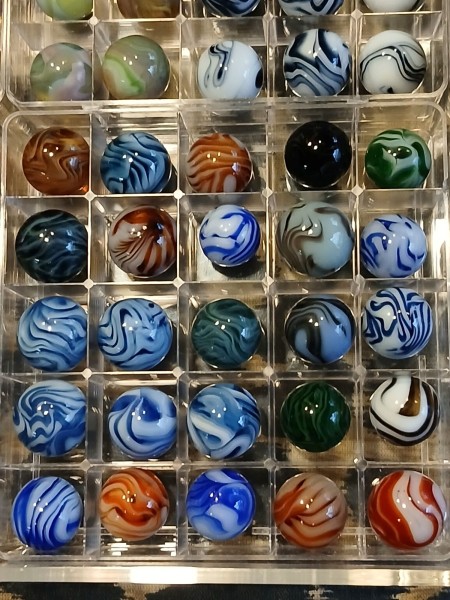
A few Alleys found through the years
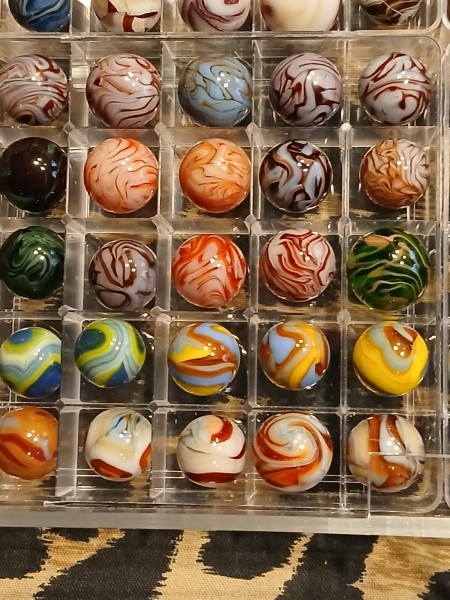
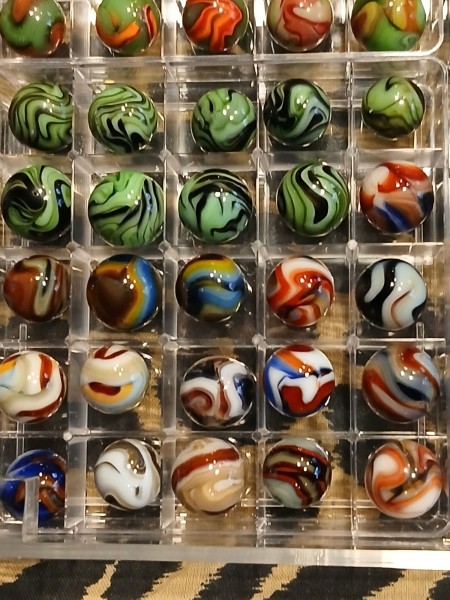 7 points
 -
7 points
-
7 points
-
Very hard to choose, but if I had to . . . A Periwinkle cork on a translucent green base. Akro 🤩
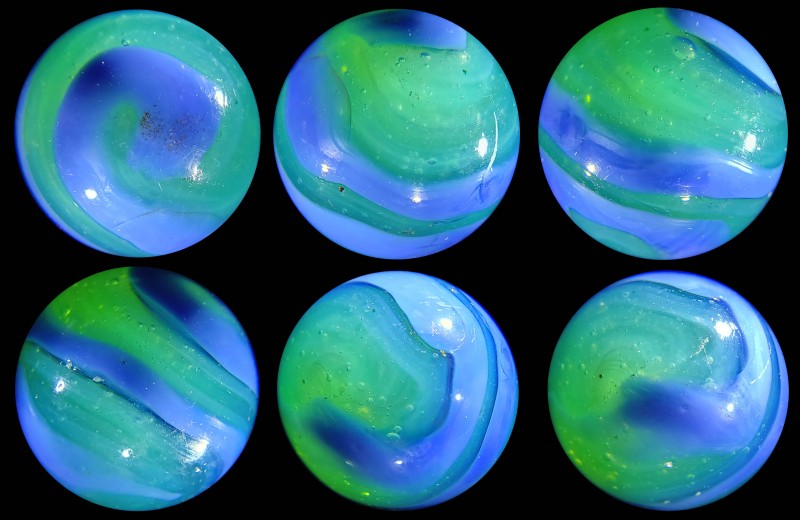 7 points
 -
My wife and I collected "slag glass" and McCoy pottery together for many years. Auctions, flea markets, estate sales, yard sales--etc etc. Then one day at an antique mall in Oshkosh WI we found this book by the Hardy’s--What? They made marbles too?? This pushed the limit for me--then I found a book by Everit Grist--off we went. Of course we had friends that collected other things that thought that we were "nuts" about collecting marbles. I had a friend "gift me" a coffee can full of marbles from her ex. I dumped them out and said---oh no--These are too valuable for a gift. About $7,500 later she knew. This was about 30 years ago and they still hold their value. About forty books later--here I am. Then the internet changed it all. I still have the marbles that my mom gave me from her dad--one was beat up like Chads Akro slag ( nice one by the way)--mine was a Oxblood Eggyolk--just a killer old used up marble. Grandpa played marbles---no doubt. Marble--On!!7 points
-
7 points
-
These are my faves--for today at least. Yep! Akro Patches from Les Jones (rip)--killer marbles--just killer. Marble-On!!
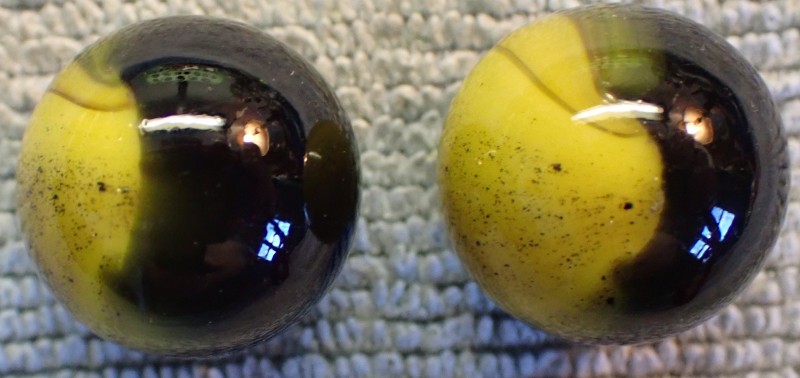 7 points
 -
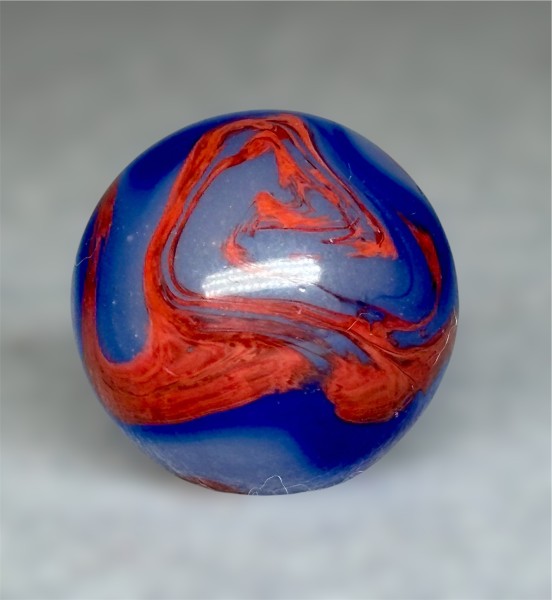
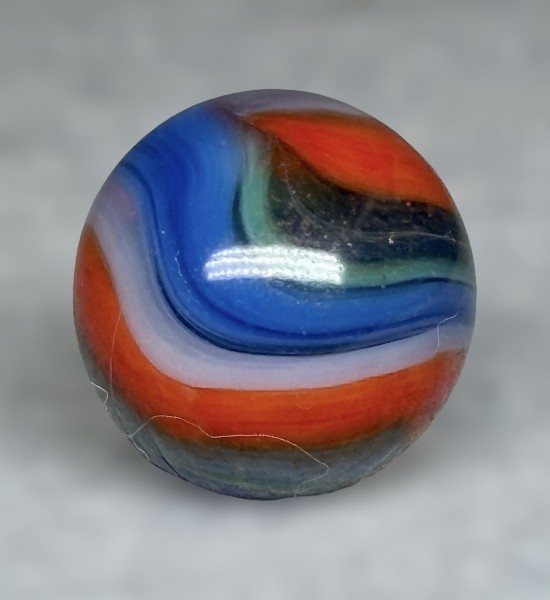
A couple of my favorites.
 7 points
 -
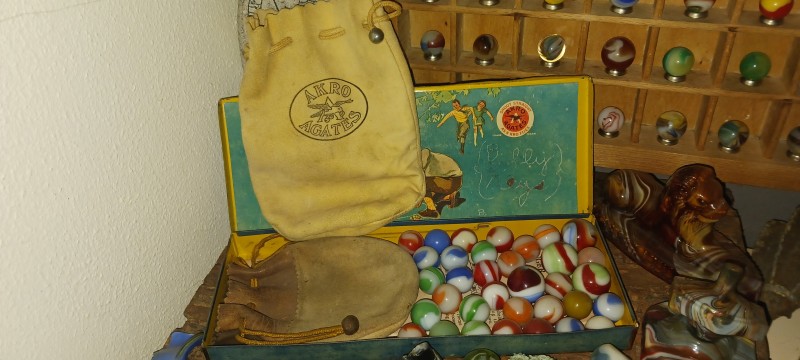
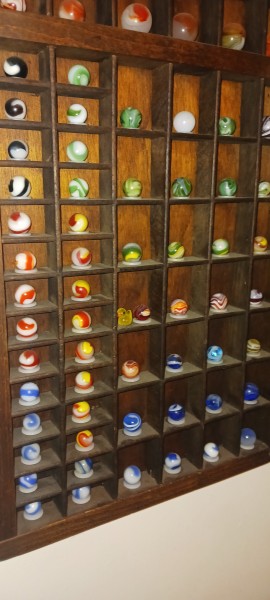
Some pictures of the display 🎉 Thank you all who made this possible Forever thankfull Marble On Brothers and Sisters !!!! 🙏⚓️♥️
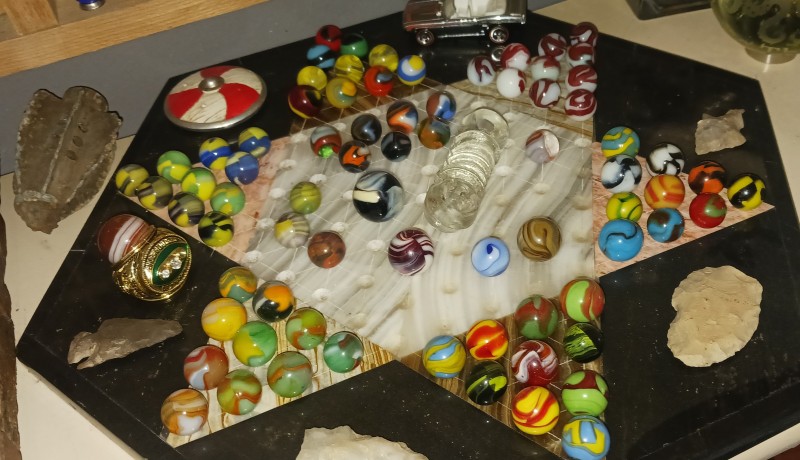
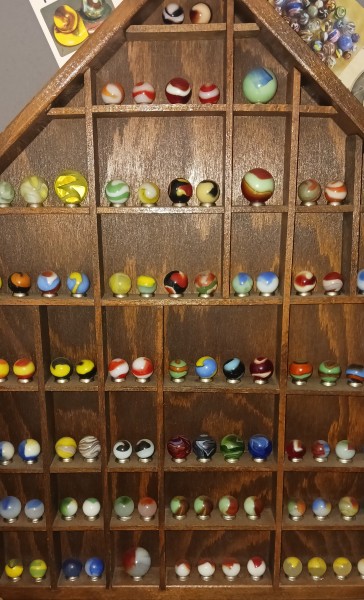
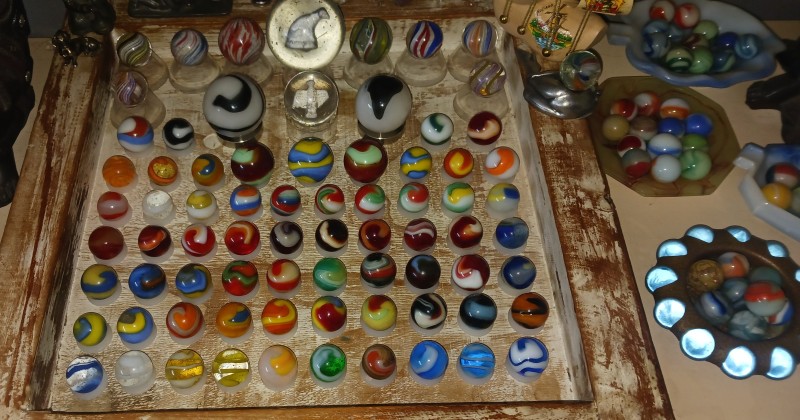
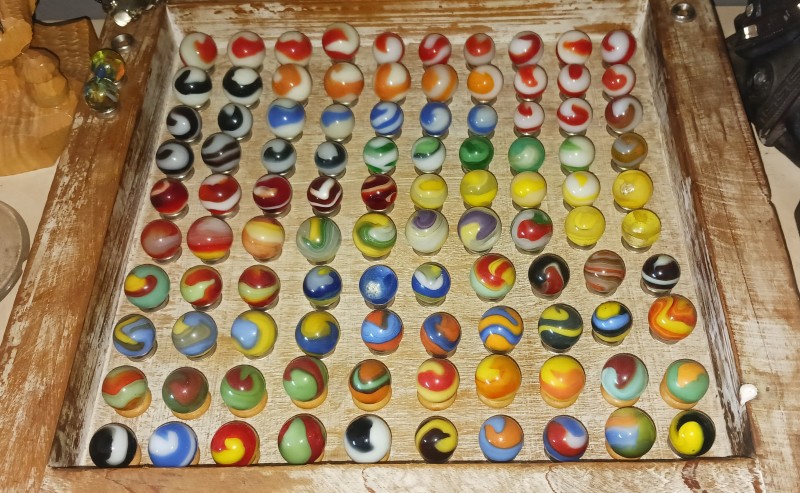
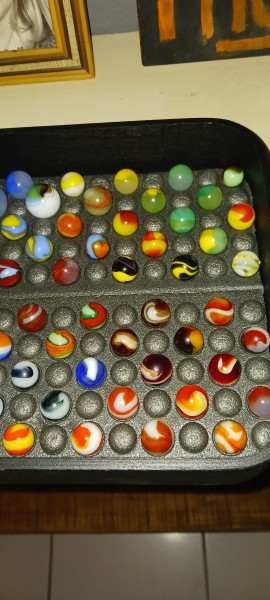
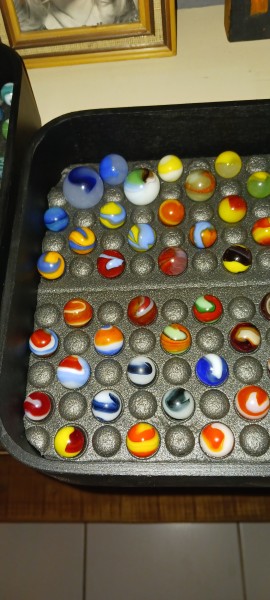
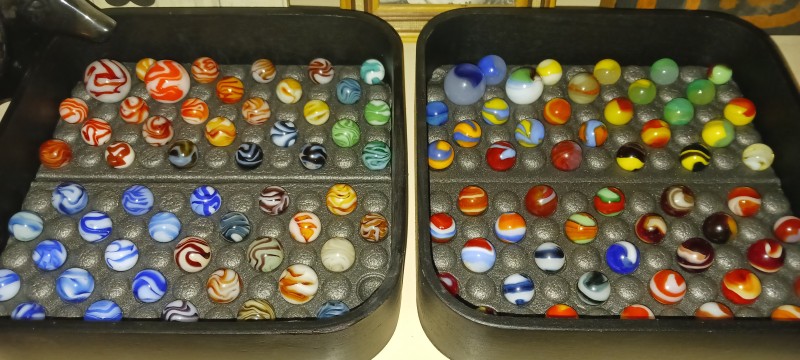
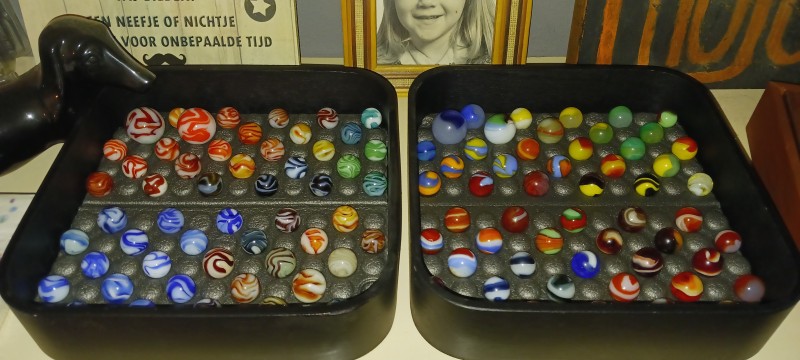
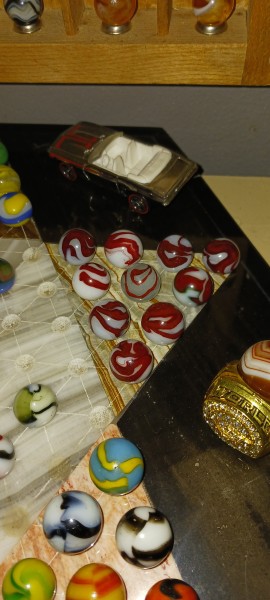
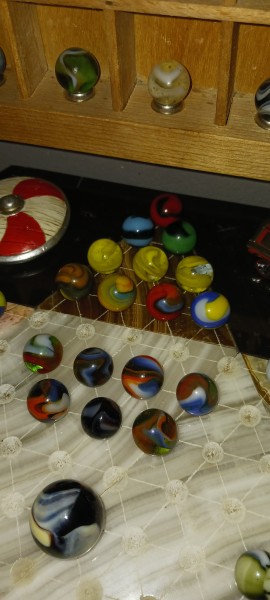
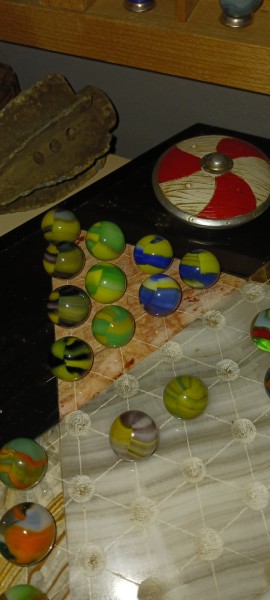
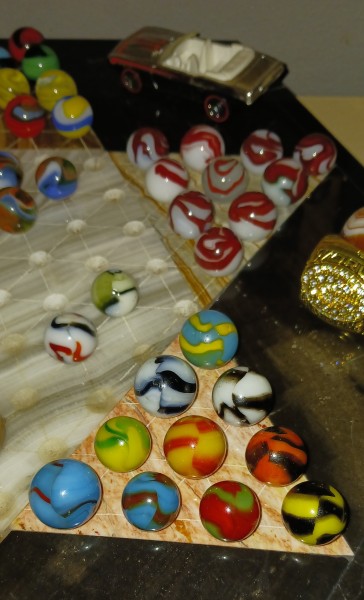
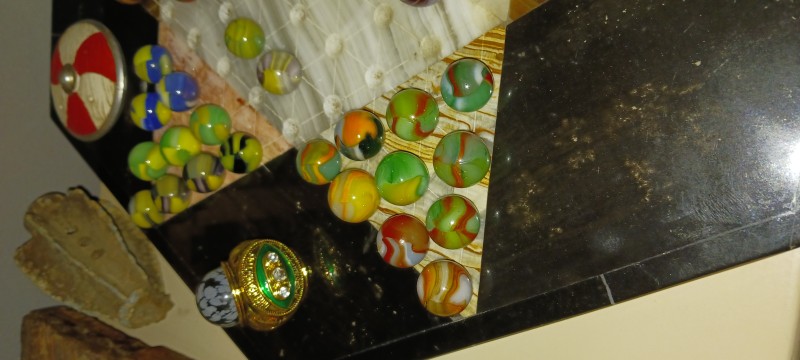
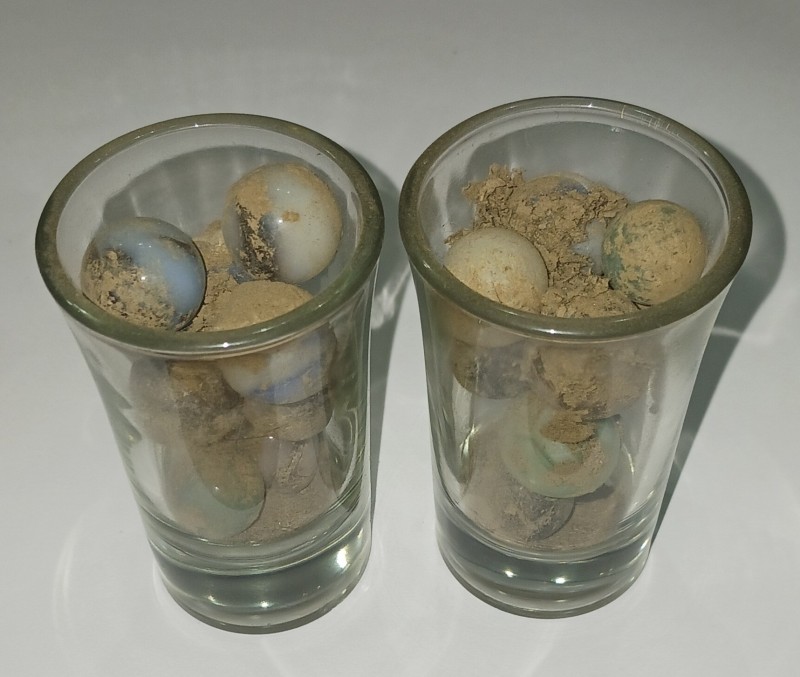
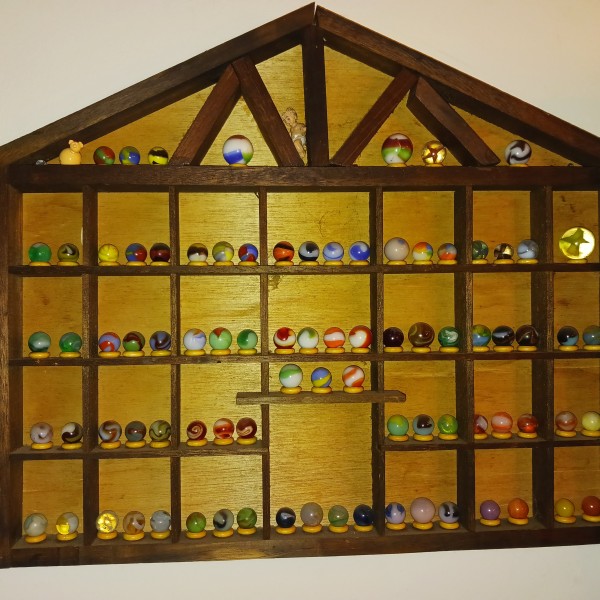
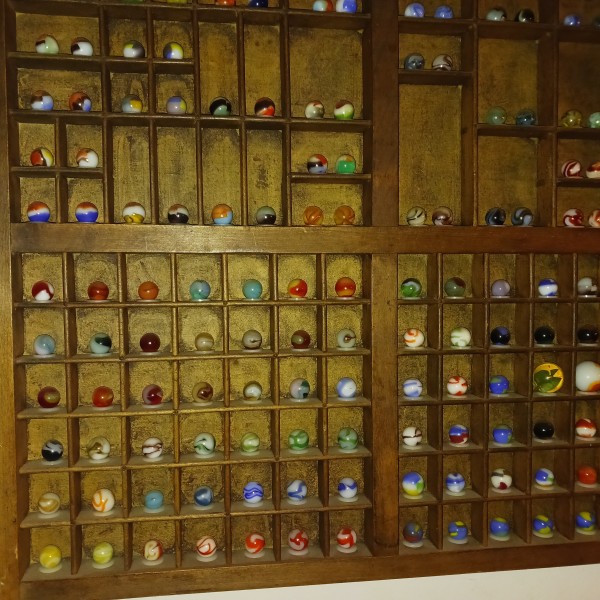
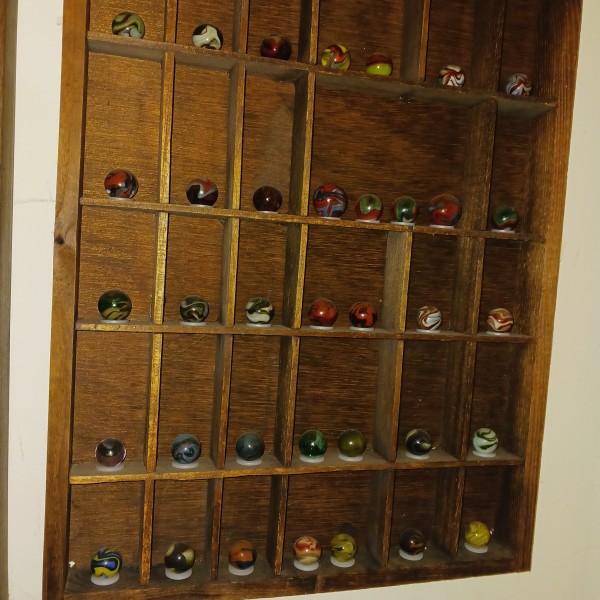
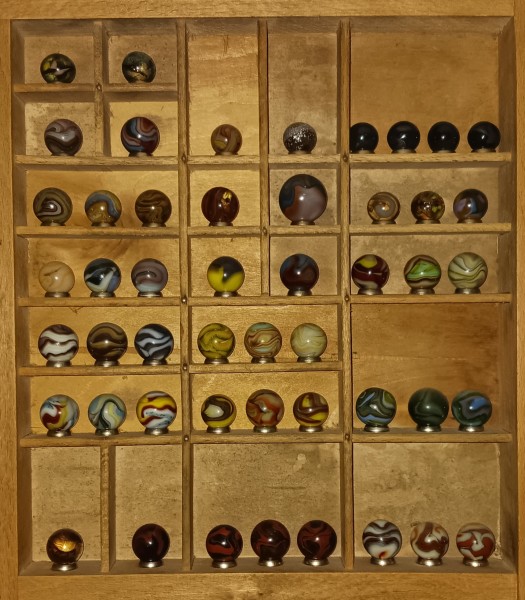
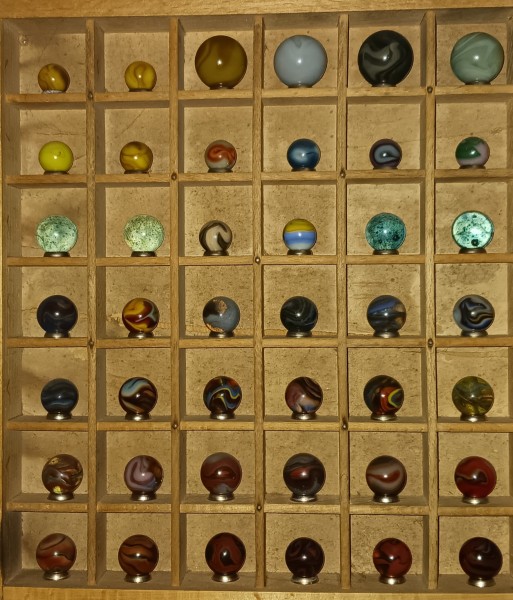 7 points
 -
She was one of my first oxbloods. She's pretty.
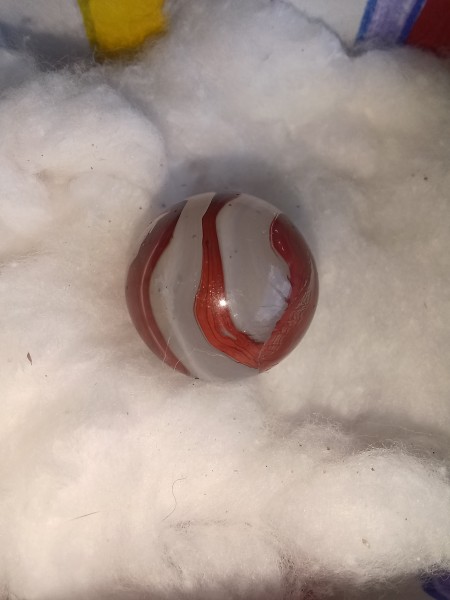
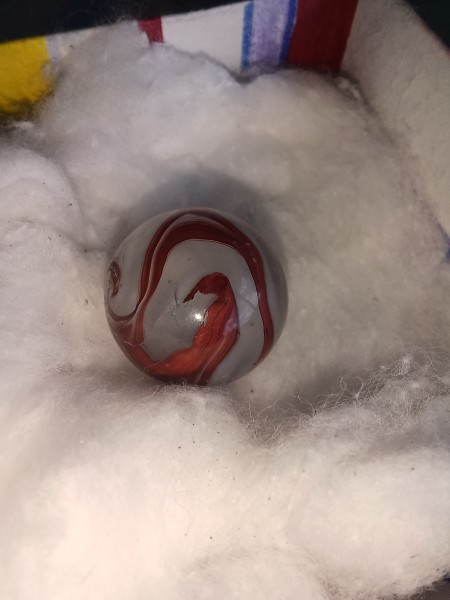
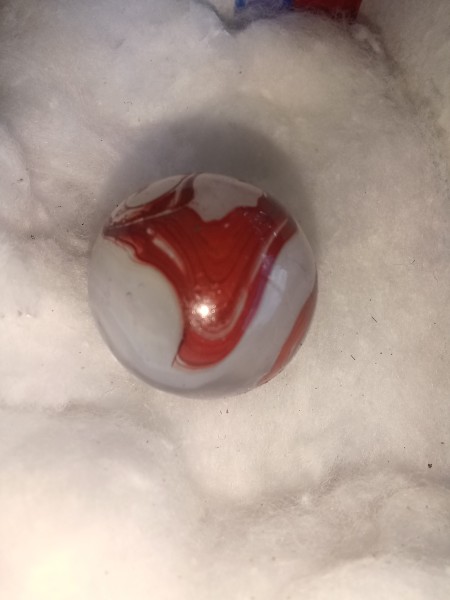
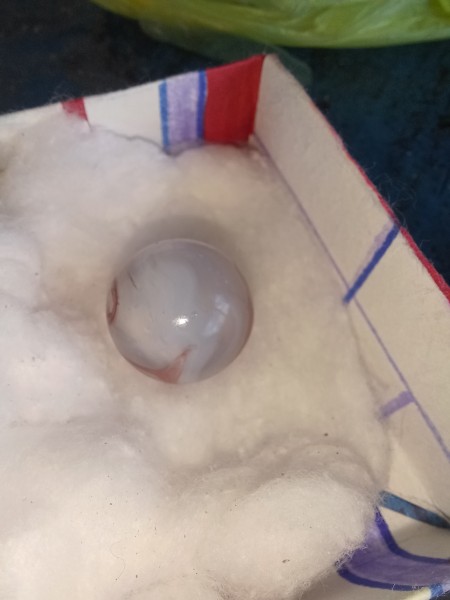
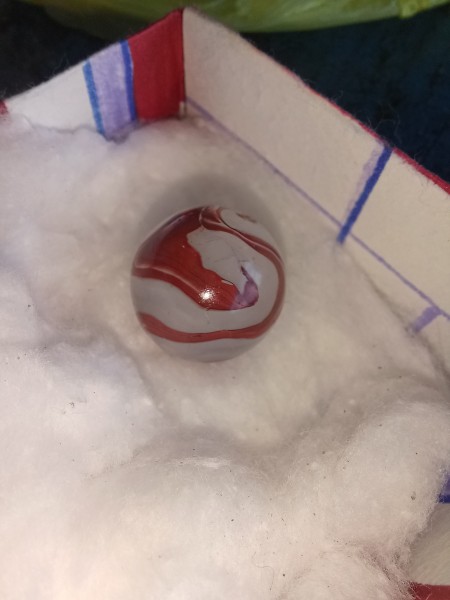 6 points
 -
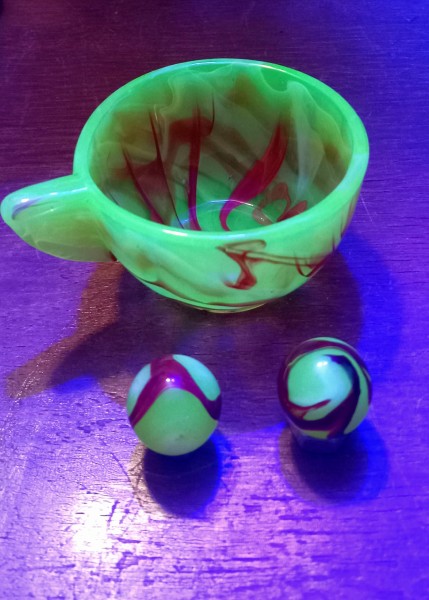
🙏✝️🙏☺️
 6 points
 -
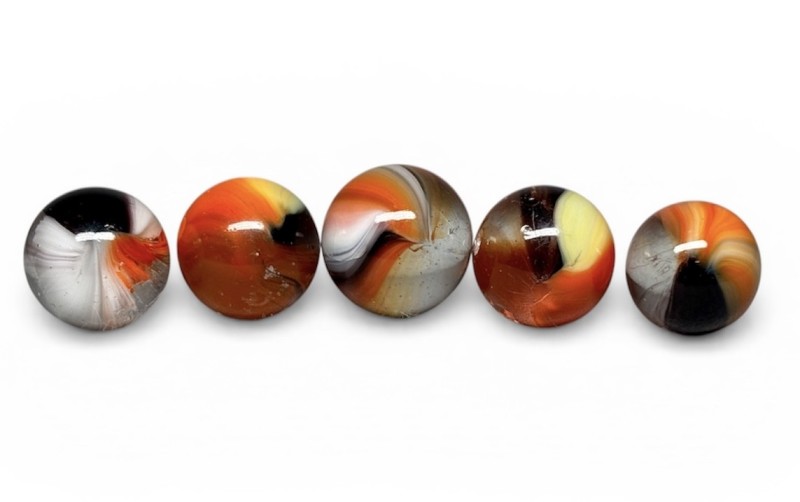
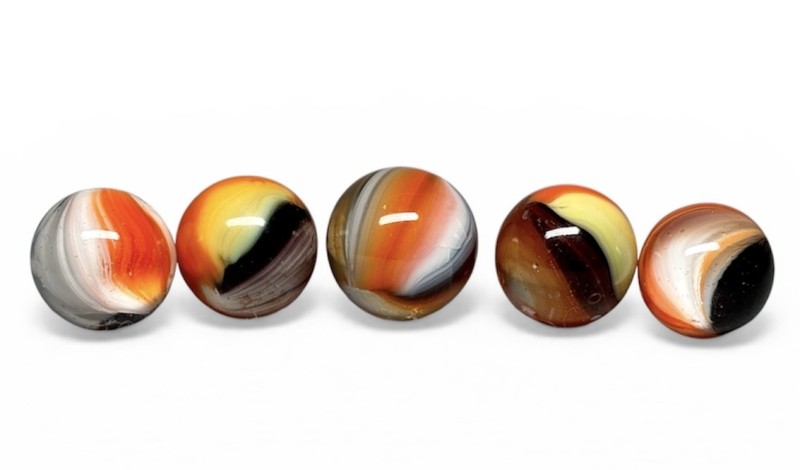
Master Tigers Eyes
 6 points
 -
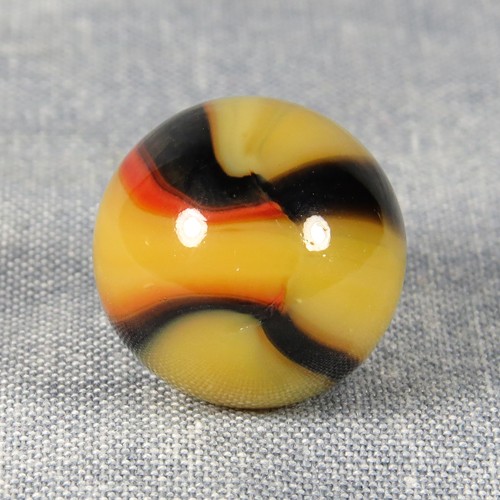
Here's kind of a neat one... Peltier "Poison Bee"
 6 points
 -
Kim here. Favorites are JABO/DAS and more recently NLG. Have only been collecting about two years. I go to a lot of estate sales so have quite a bit of "everything"... or they might be nothing. Time & ID videos will tell🤭. This group has been super helpful... so glad I found you.
.thumb.JPG.fb66fb171cc1380db5811268121c75eb.JPG) 6 points
6 points -
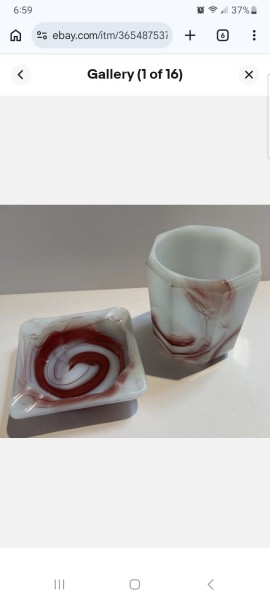
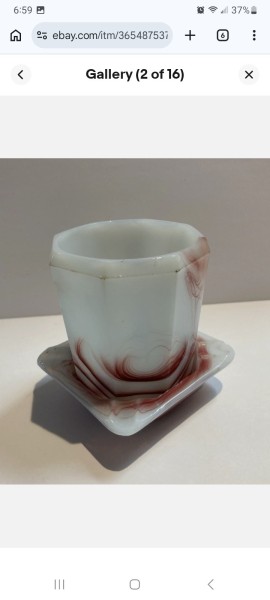
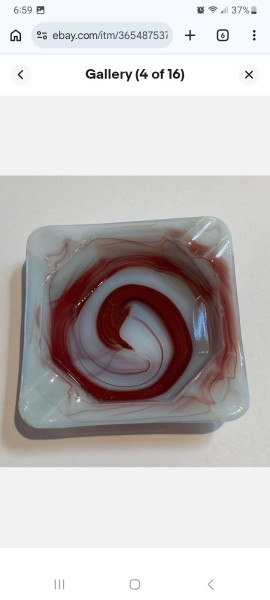
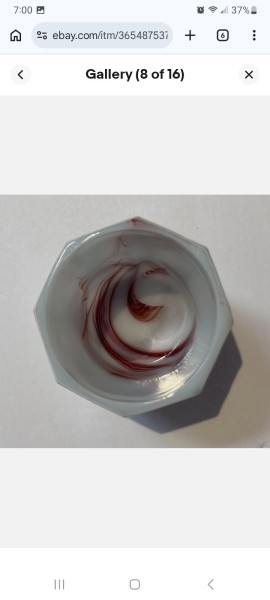
Charlie and I have been wanting this for some time now and we got on ebay and we can't wait till it comes in. Just so awesome! I'm excited very excited. We love it! Have a blessed day. GOD IS SO SO GOOD!!!🙏✝️🙏
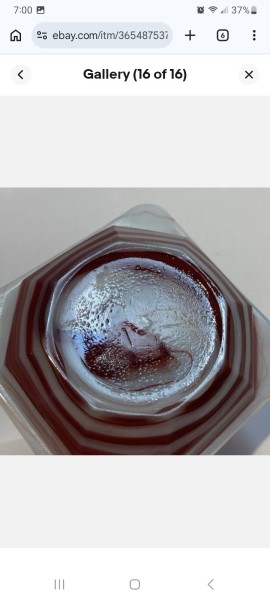
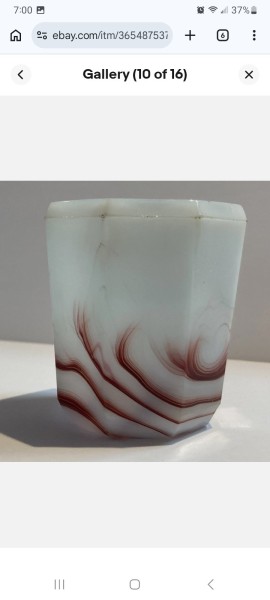 6 points
 -
Hi,Alta Wow, I'd love to see these two in hand. In my opinion these are two Masters The second one is nice, type a helmet, I would like to have it😊 I will show some pictures of the second kind, Master Whisplers, considered relatives of Master, precisely because of their similar characteristics. Sometimes it can be difficult to tell them apart, precisely because of their similarity. However, in my opinion, the joints of Master are more pronounced, deep, and clear, so clean, as well as having glass that is much less bubbly and sparkling, in summary. As I mentioned, whisplers in general show (as you can see in the images above) an exaggerated amount of bubbles that the Masters do not have. Then, there might be the exception where in some cases they could be indistinguishable from each other, especially when viewed on a monitor, but generally they can be distinguished. I repeat, the key point for the distinction is the bubbles, in transparent whispers, although it is not an absolute rule. Less sharp and clean seams in the matte ones, compared to Master As for the color palette, I wouldn’t pay much attention to this, as both types of marbles have the same earthy colors. Now, I am not an expert on the matter, I just wanted to give my personal impression on it to be helpful, and I hope it is appreciated. Thanks again to everyone for your attention!6 points
-
Here is a picture of some Figure 8's posted by Winnie from The Netherlands (RIP) back in 2010.
.thumb.jpg.168df77d3abf6d9f1821d74f3ab01c29.jpg) 6 points
6 points -
The weirdest thing yet that I have pulled from an assorted net bag. This is a totally veneered pattern with a bit of an amber glow in the transparent base when held to light. It is 21/32. I have heard older Vacors are sometimes found in net bags? Well anyway, I have never seen anything that remotely resembles this marble that came from Mexico. I thought "What's a Vitro Tri-Lite doing in here?" but this is so odd. And I do think it is actually very pretty.
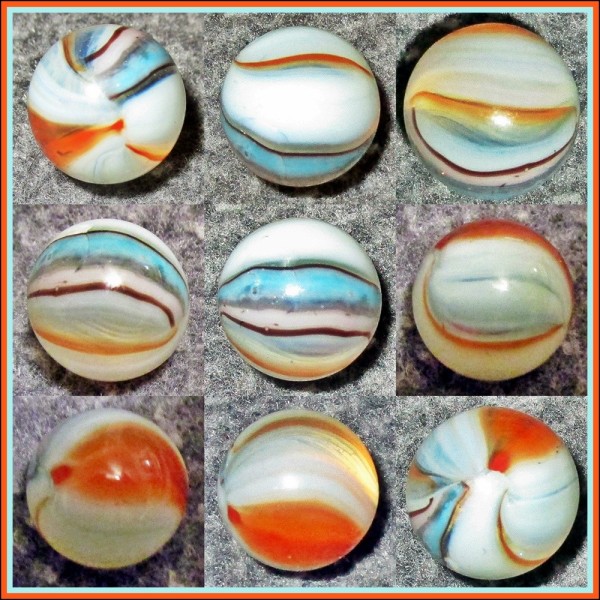 6 points
 -
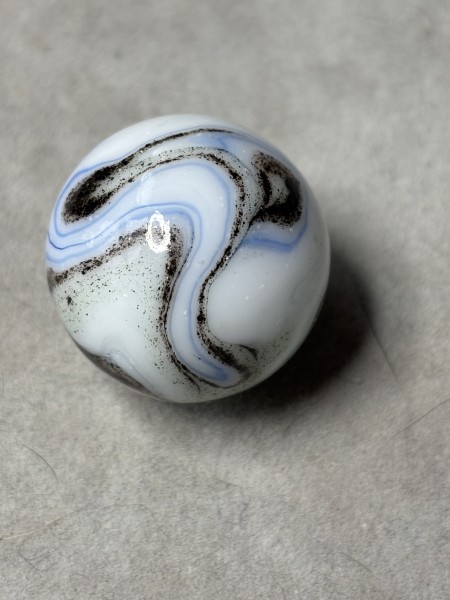
Recent Alley Addition. 1”!!!
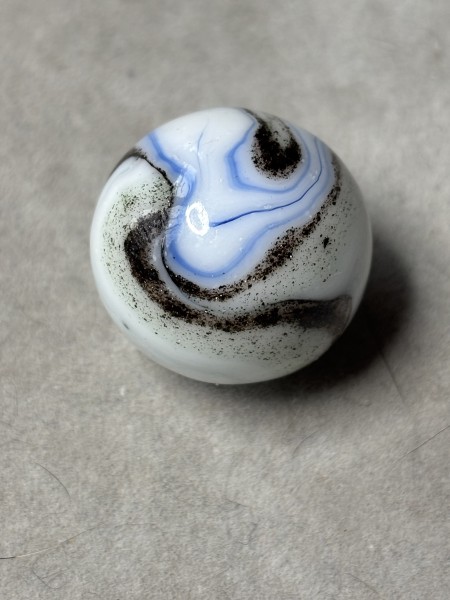
 6 points
 -
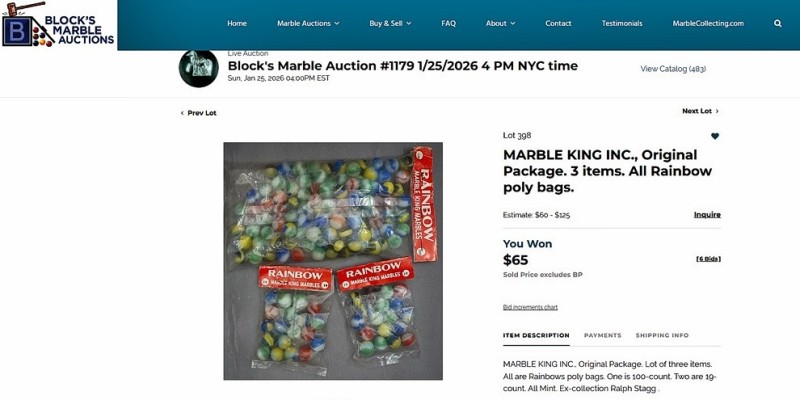
I finally won my first and only lot thus far with Blocks auctions last night and I am glad to add any Marble Kings to my stash. I see a good number of Bumble Bees and Cub Scouts in here which always widen my eyes. Looks like there might be some Cubs that are Kato type. Someday I will get a few of the harder to find Blended ones and the likes of Spidermans, Green Hornets, Dragonflys, Watermelons, and Hercules. For now, all the kids at recess will be so jealous of me, trying to win my Marble King Rainbows. Image is from Mr. Blocks auction 01/25/2026.
 6 points
 -
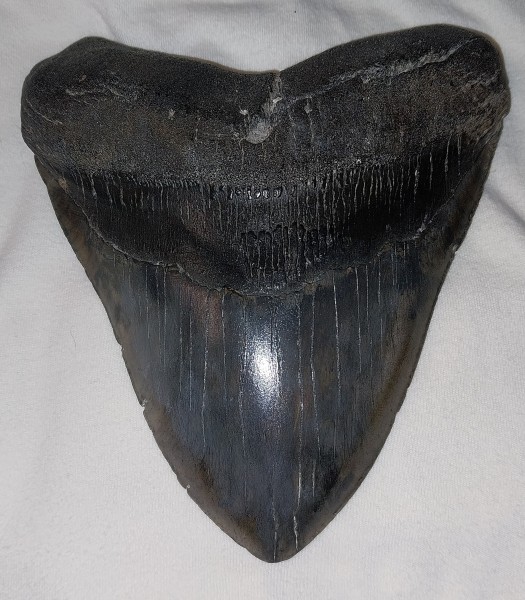
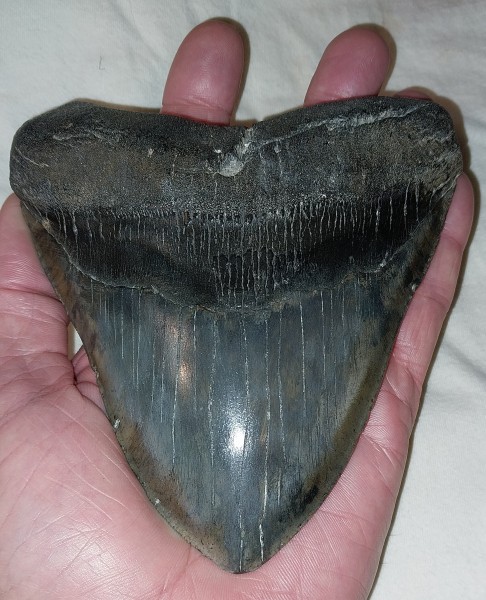
Ok, it's not a marble, but it is big- just over 6 inches. Megladon tooth.
 6 points
 -
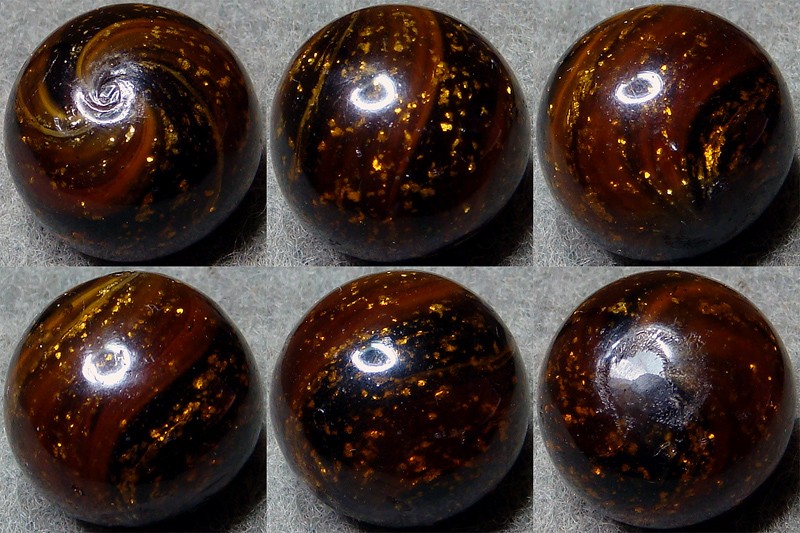
@crashbelt @Royal3 @Alta @Chad G. Wow, you've been posting some great marbles since I was last here! Here's an 11/16" marble I've never seen before. I'm calling it a Caramel Ribbon Swirl with Mica. Caramel Swirls with Mica are a thing, but the ribbons in this one are very similar to what you would find in a clear glass ribbon lutz. No lutz here, unfortunately, but it's a pretty rare find and pretty cool IMO. I thought about adding "end of cane" since the ribbons thin out and lose their structure before they reach the faceted pontil. I even considered "end of day" since it's such an oddball - no sense getting carried away though. 😉 Please let me know if you've seen another or think I might be off with my description. 🙂
 6 points
 -
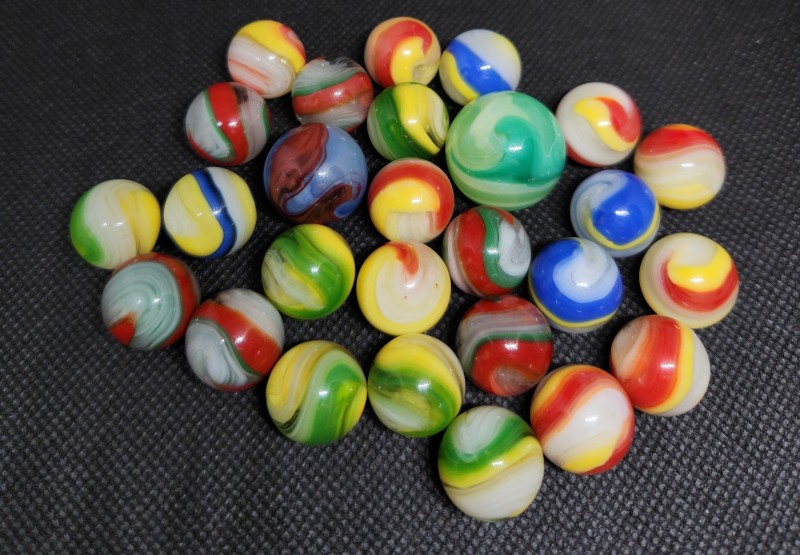
Scored these popeyes and corkscrews for $35. One popeye has oxblood
 6 points
 -
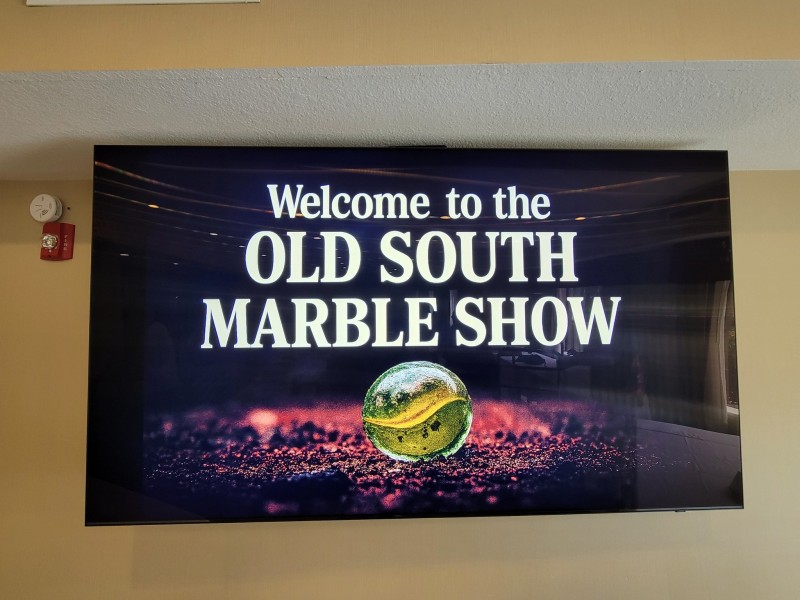
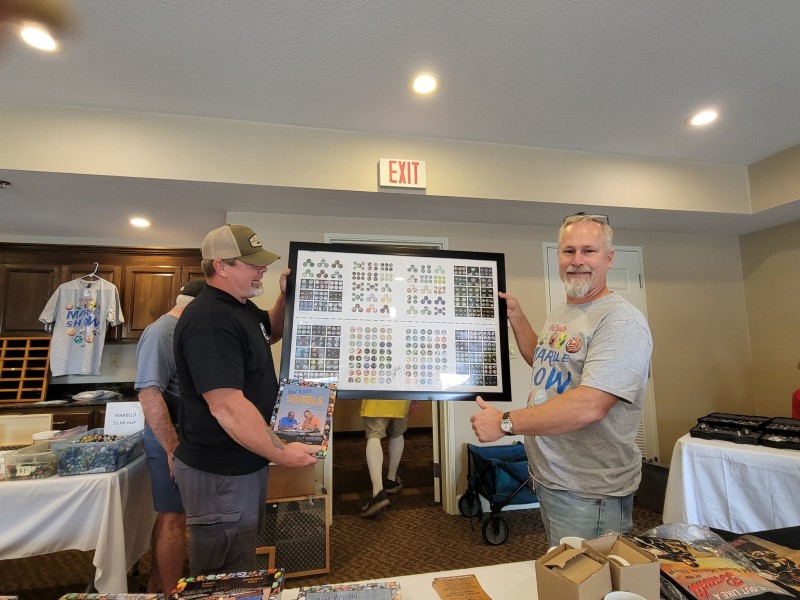
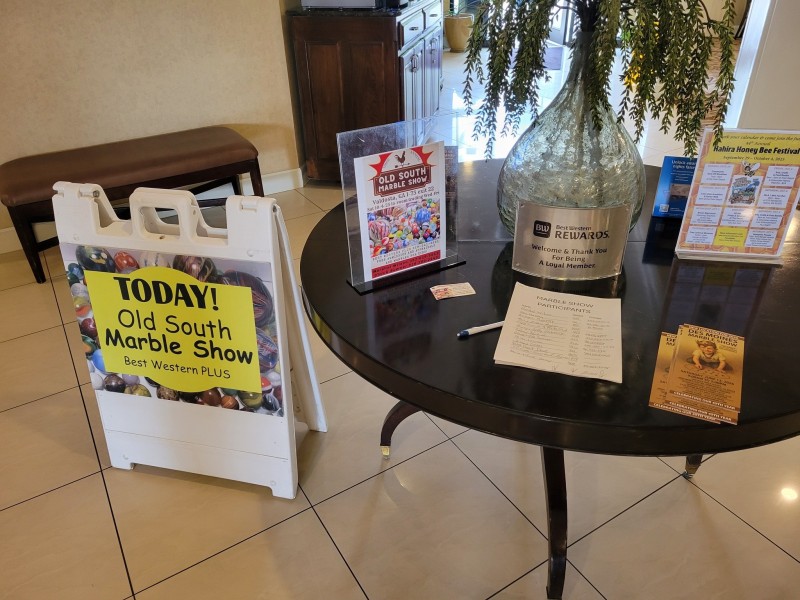
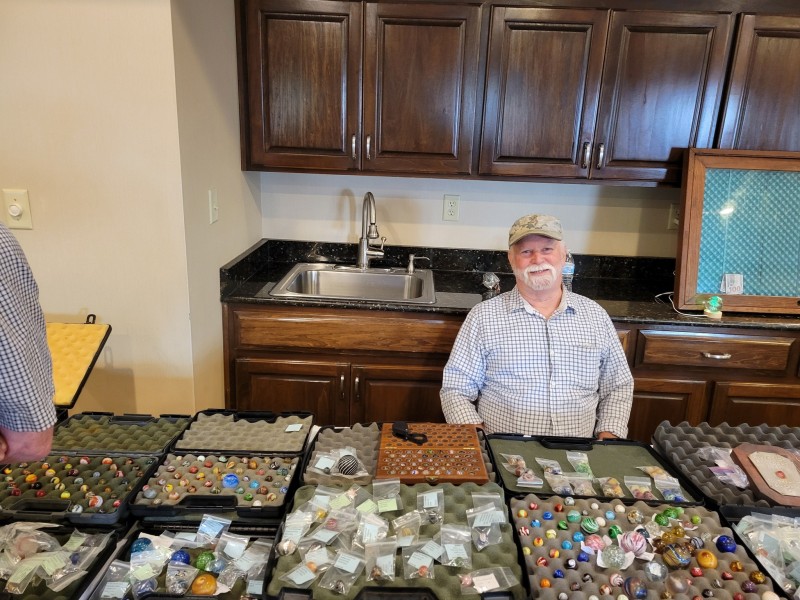
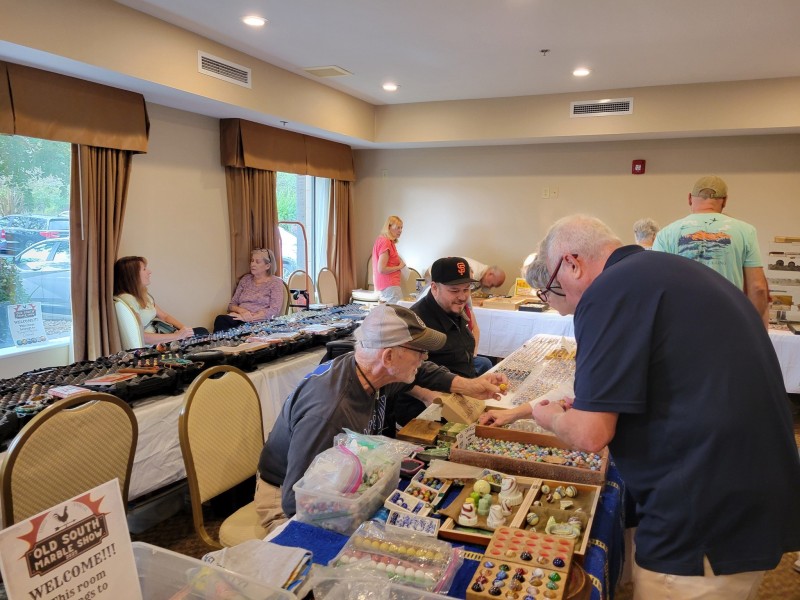
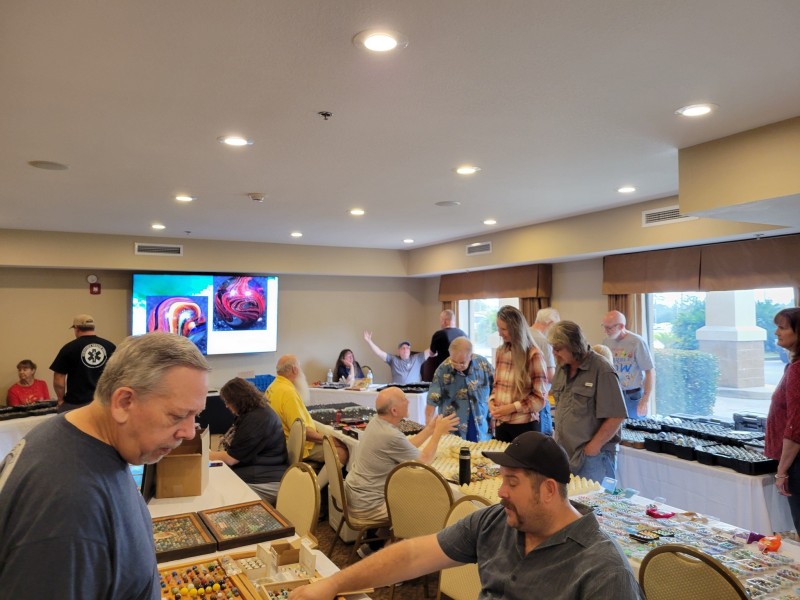
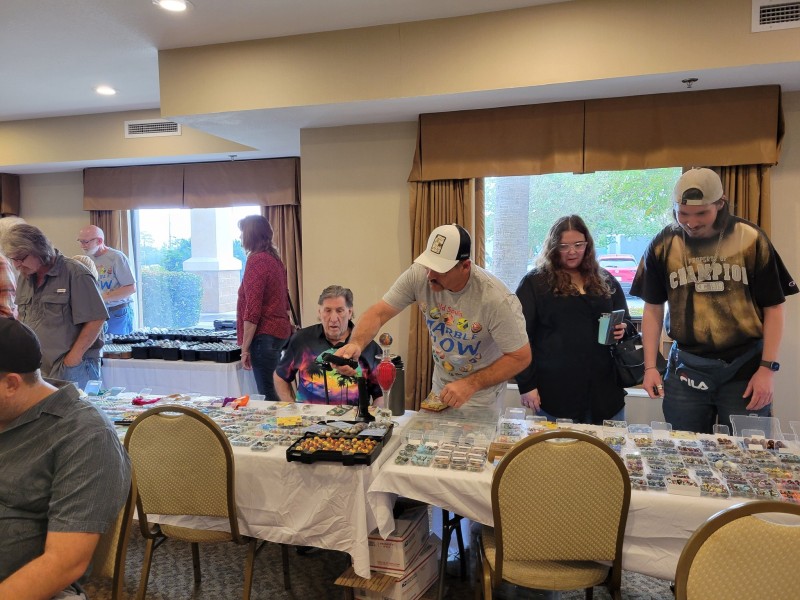
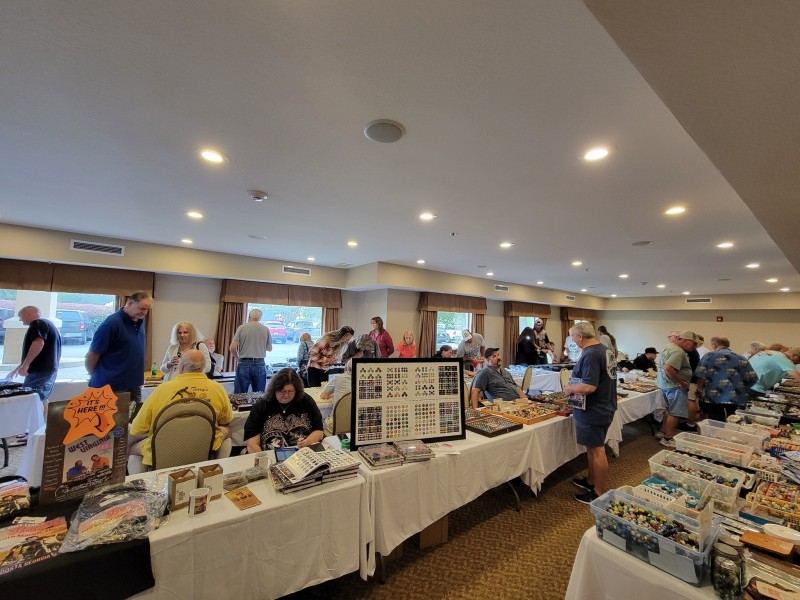
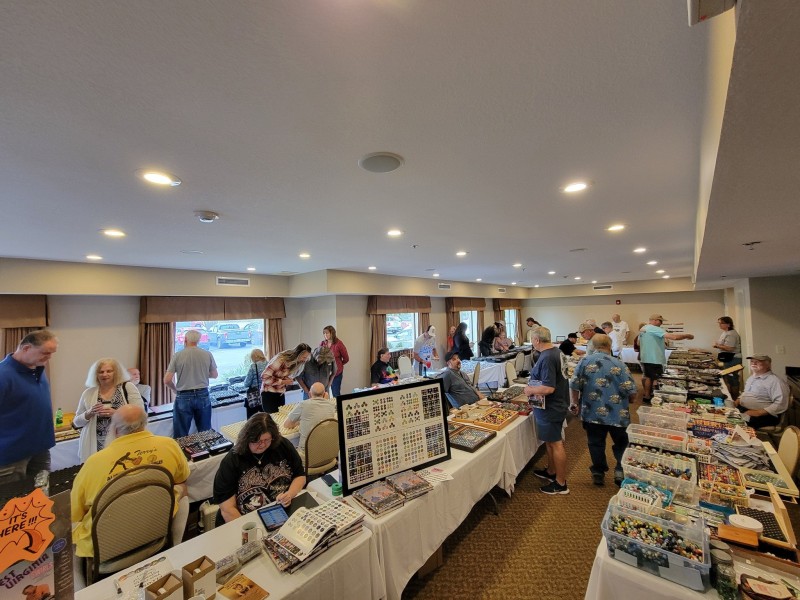
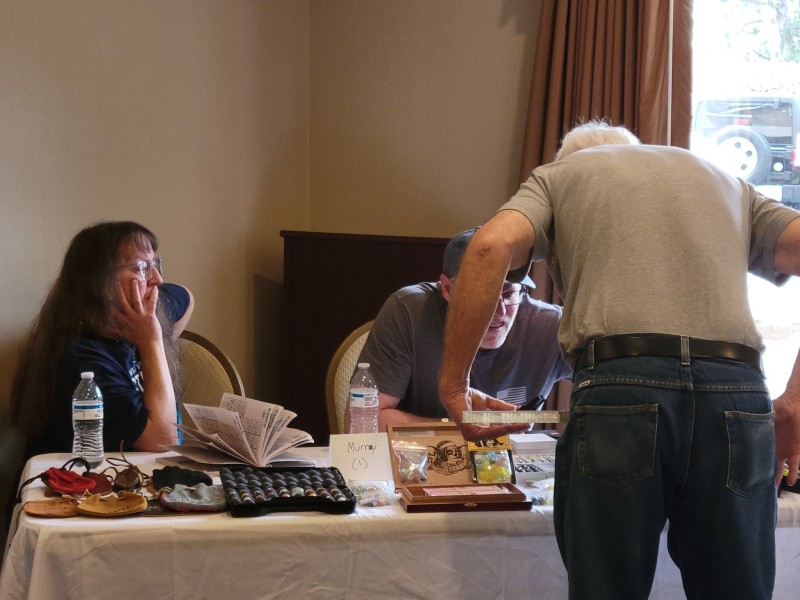
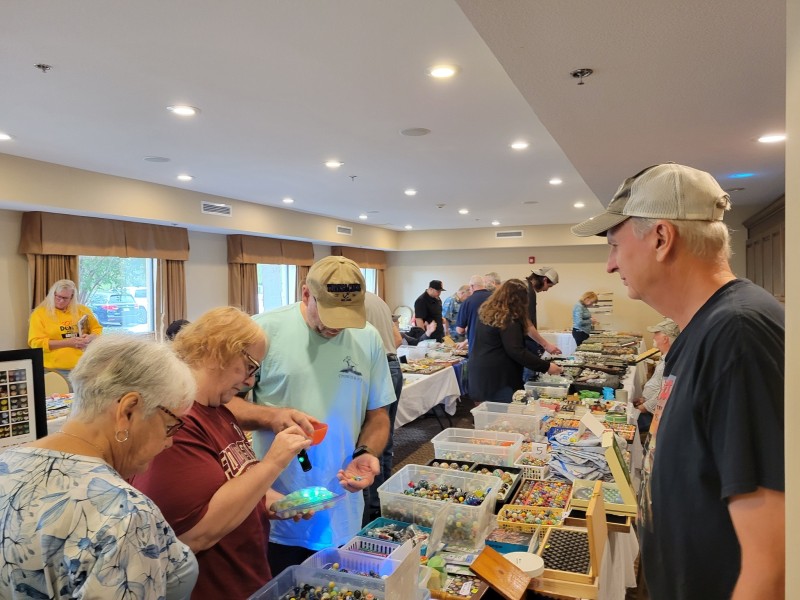
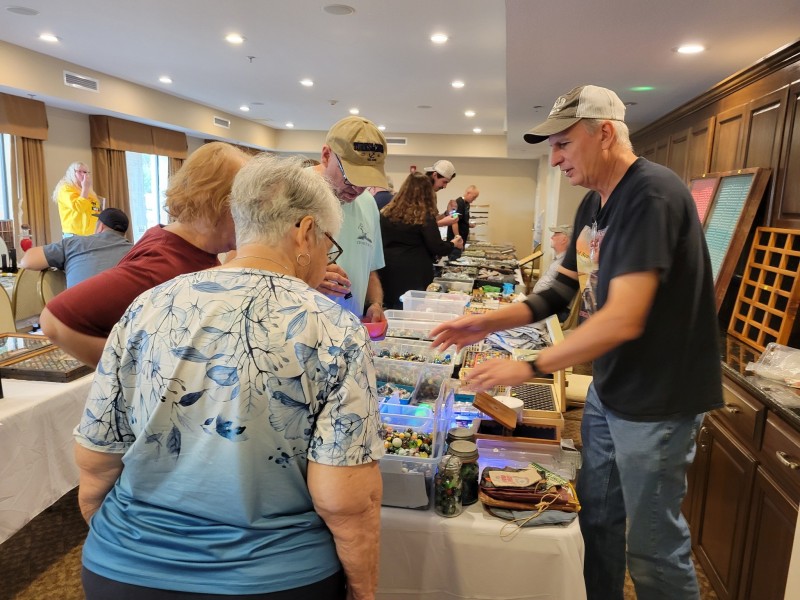
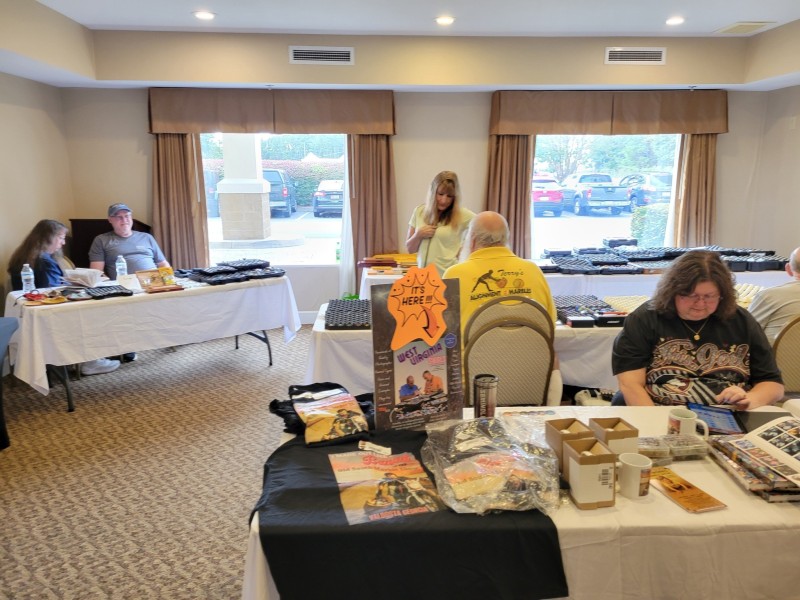
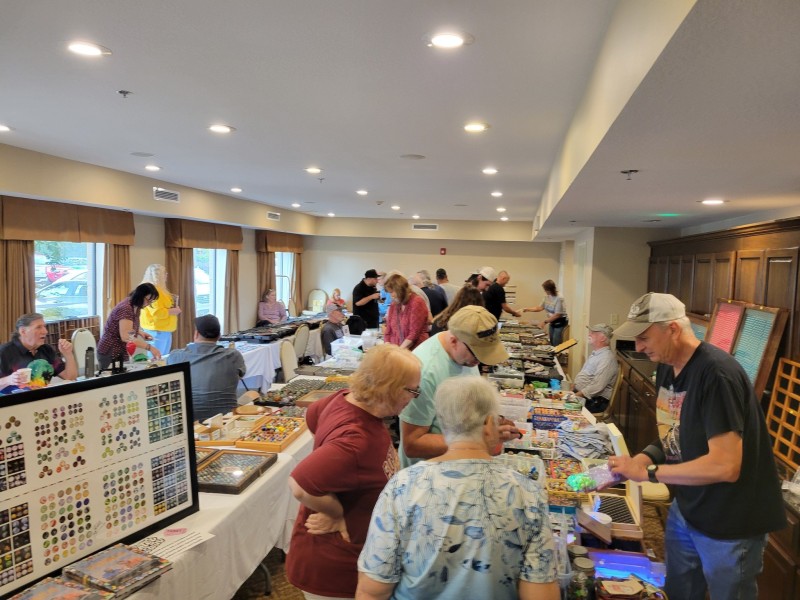
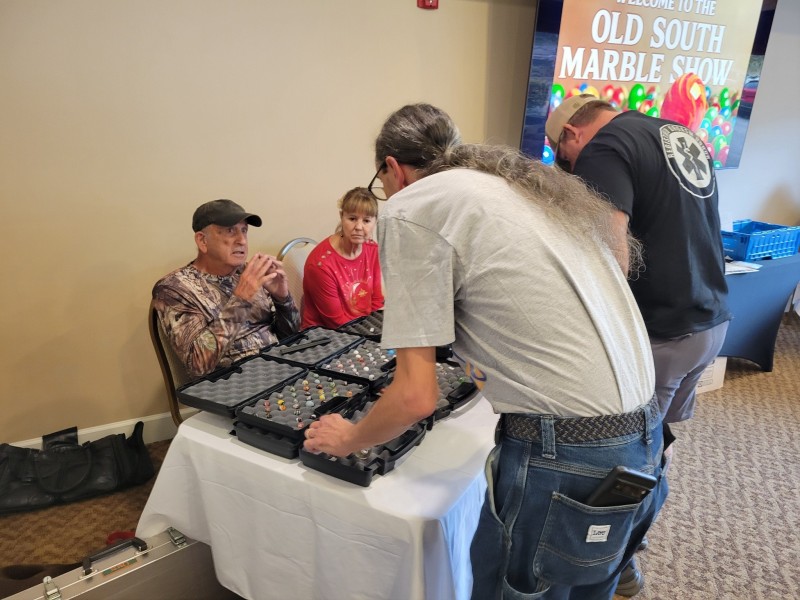
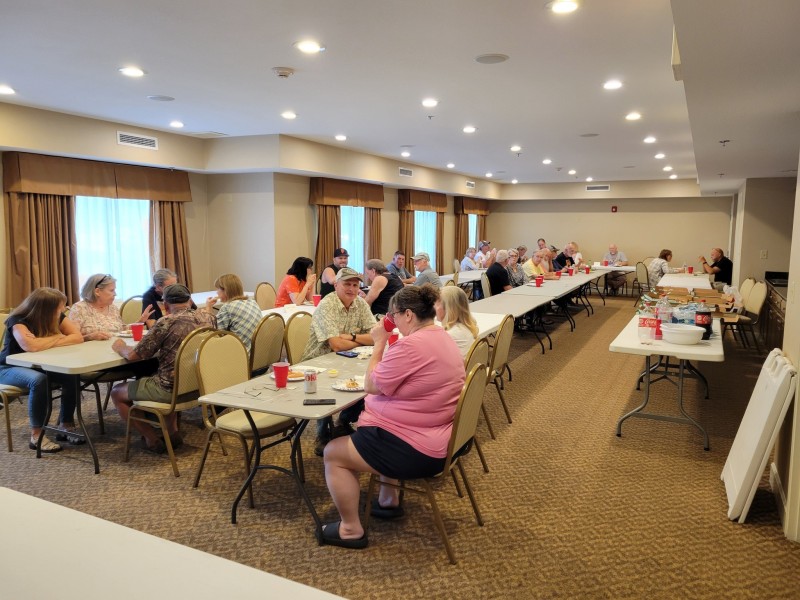
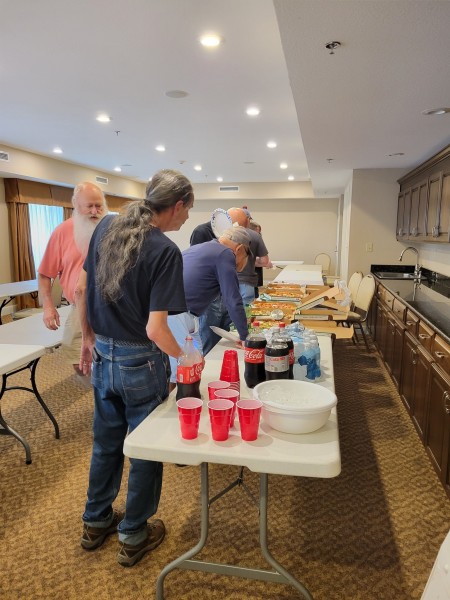
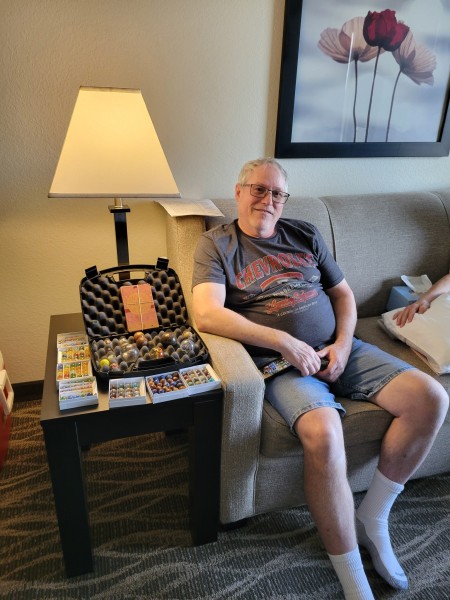
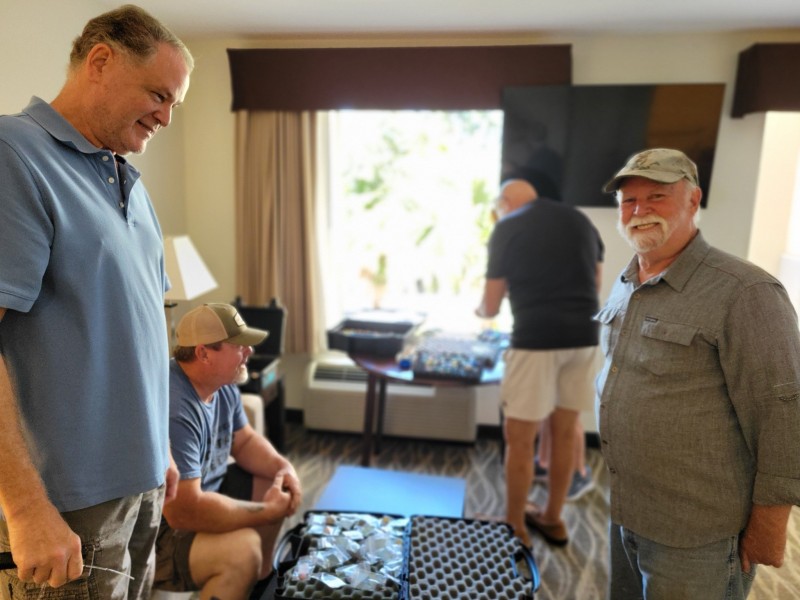
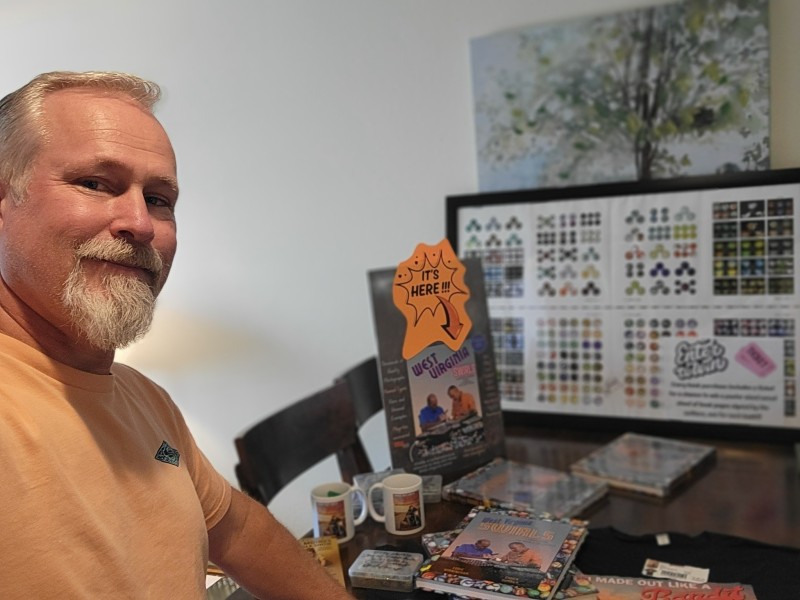
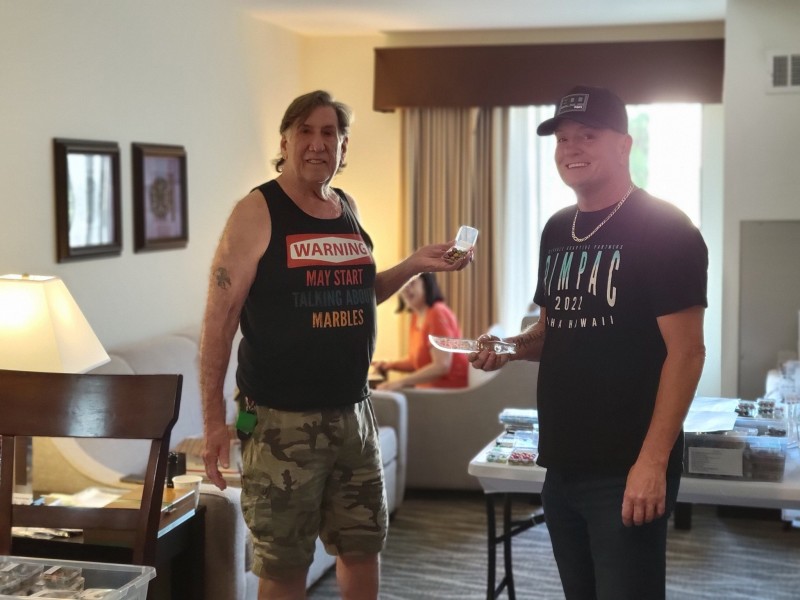
What a great time y'all! Thanks to everyone who came!! Lots of people from around the country, loads of marbles and money changing hands! Great people, new and old friends, people I can't wait to see from show to show. Good food, awesome hotel and staff, and on a few occasions I heard how well sales were. Debbie said she thinks this was a record show for sales, another guy said this one smashed all previous shows for sales. I couldn't be happier! Check out the pics, also shown are a couple pics of some of us eating pizza provided to showgoers on Friday night The welcome screen on the TV screen in the event center was provided by the hotel owner, a surprise to us! What a great family owned and oriented hotel... they really go the extra mile to accommodate us and make us welcome every time. 5 of 5 stars without hesitation!
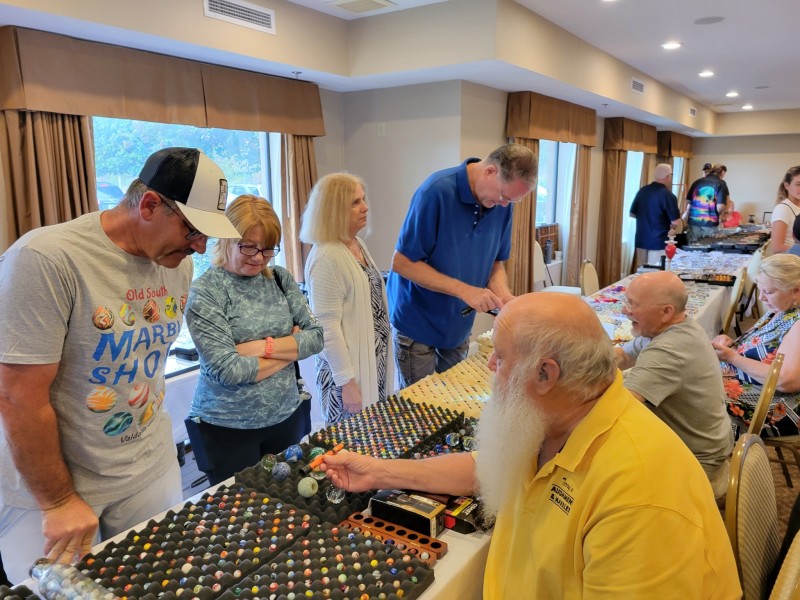
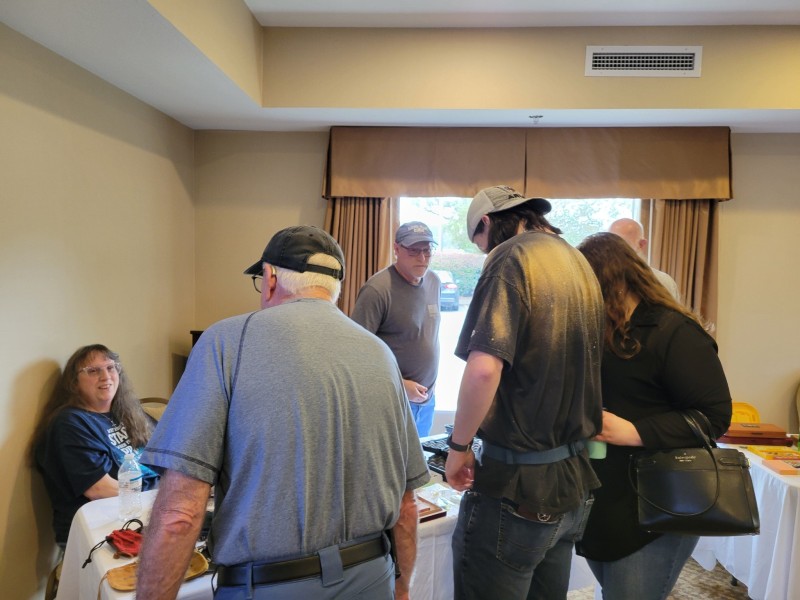
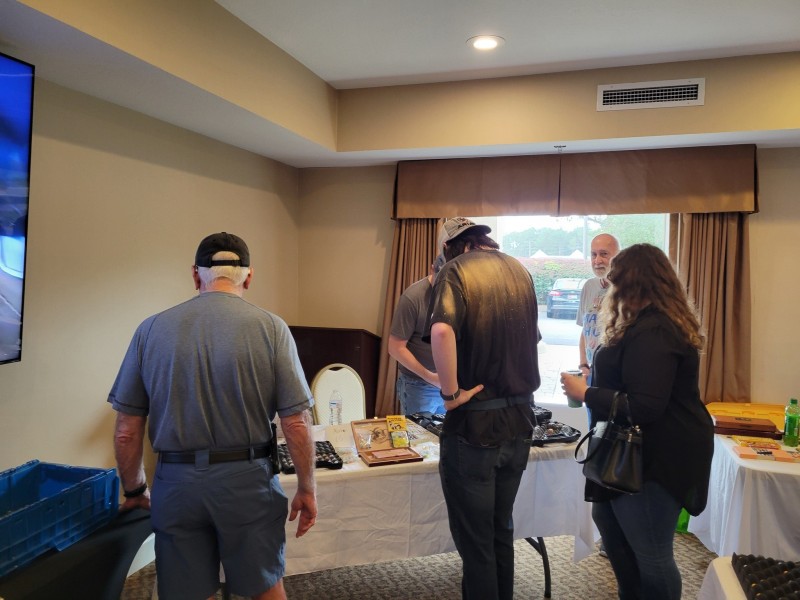
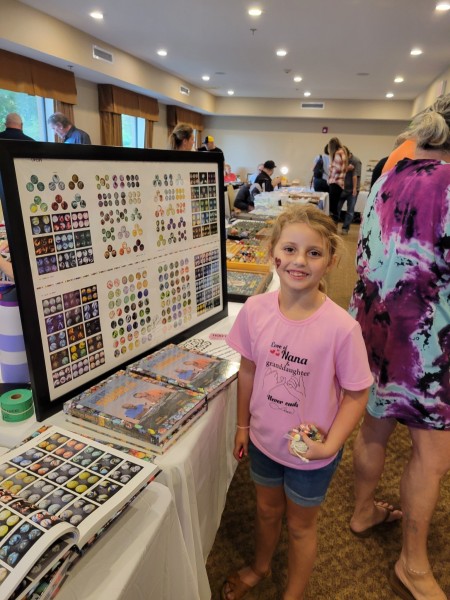

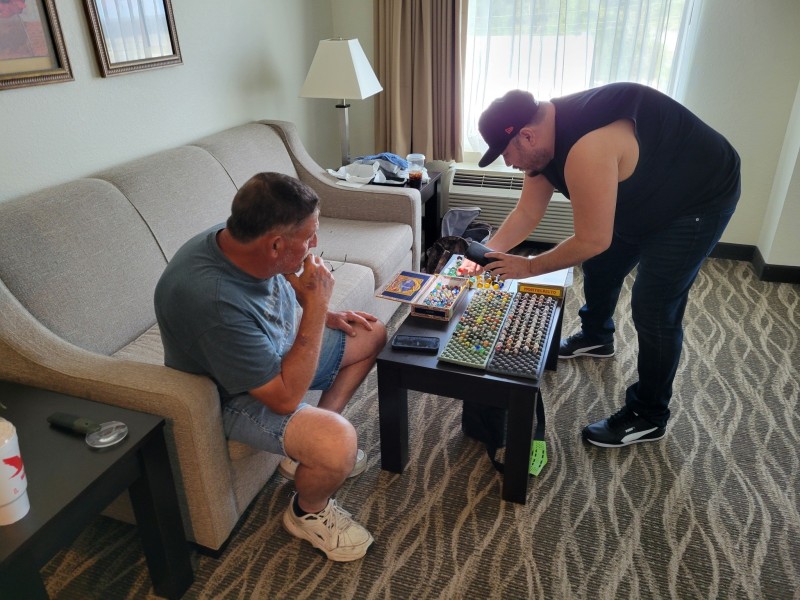
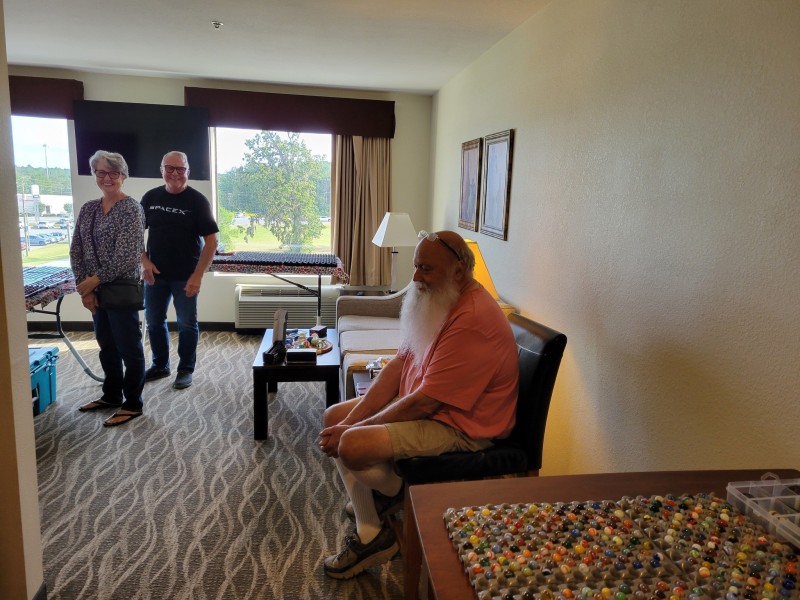

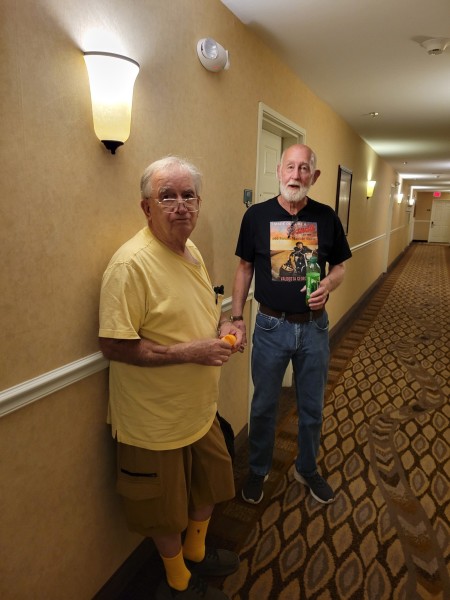
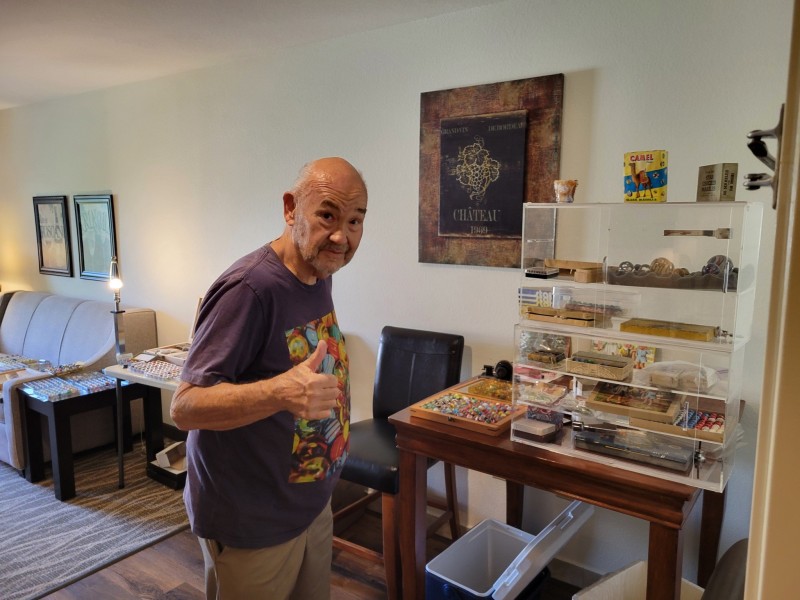
 6 points
 -
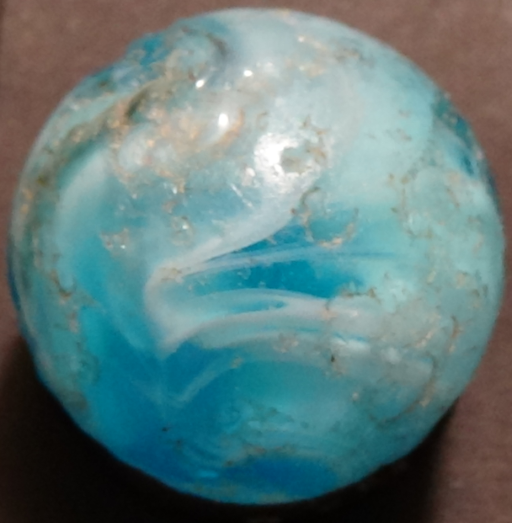
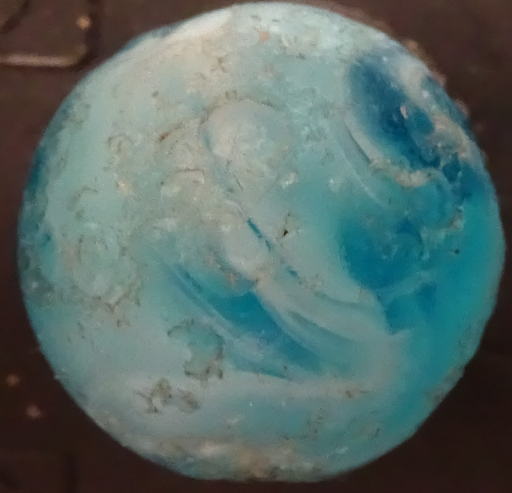
Well, when did you start marble collecting ?? what ?? why ?? and who got you started. You can include your favorite type if you like. I started in the mid 80's, German handmades were my go to, my Mother gave me the spark as a child when she gave me her favorite shooter, I still have it from when she gave it to me in the late 60's during a move.
 6 points
 -
6 points
-
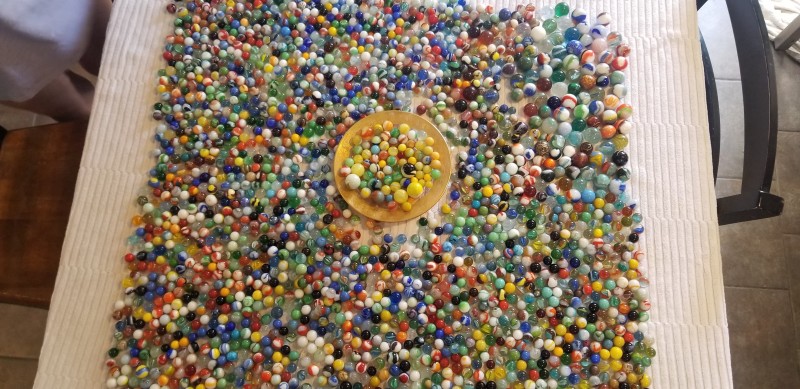
I started collecting in 2020 when I inherited my uncle's marbles they were in jugs and old big bottles, a gumball machine .with no job I took a deep dive into marbles here and was welcomed and the knowledge shared here and within this site ihas changed me imto a marble head 4 ever My favorite are American machine made marbles. This is where it began with this hoard collected by my grandmother and given to my uncle .then to me ...
 6 points
 -
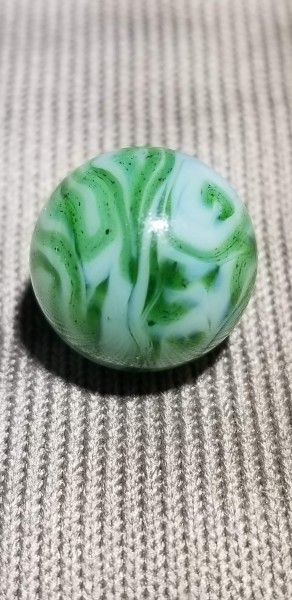
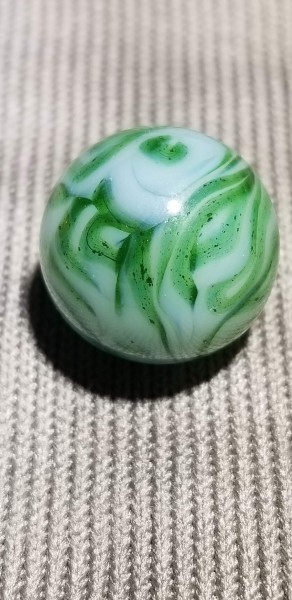
Multiple views of one of my favorite
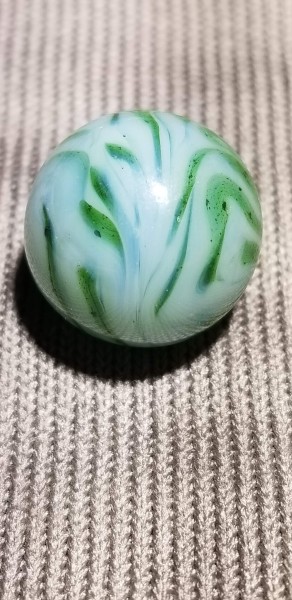
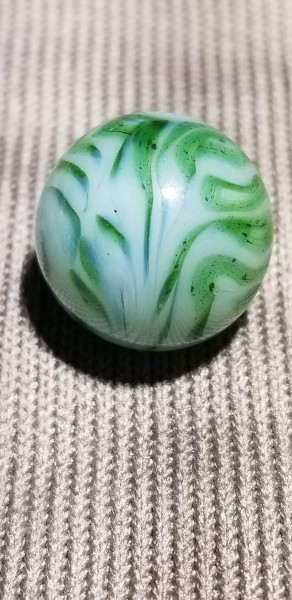
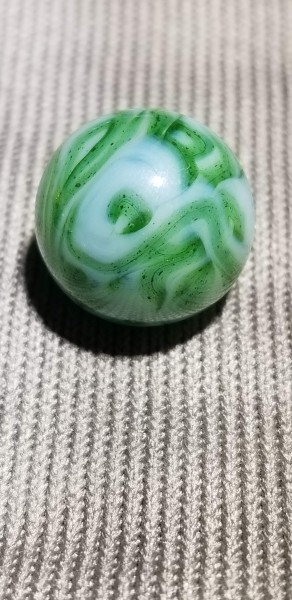
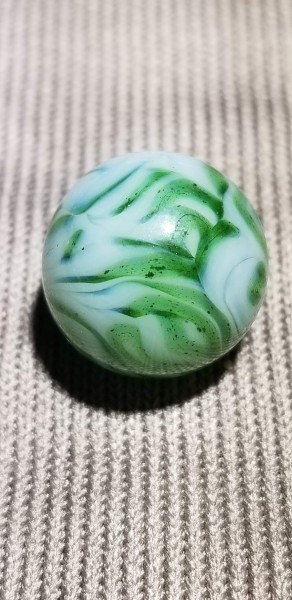 6 points
 -
It's with great excitement and anticipation that I am now FINALLY able to enable the site for ordering! *Be sure to follow the instructions when ordering so that we can match the book order to the Paypal or Venmo payment when it comes through* When submitting payment, be sure to put the unique order number in the notes for your payment of Venmo or Paypal so we know which payment matches the order. We have the site set to 1 or 2 book orders (many folks want one to use for study and one to keep mint). If you want more, you can order as many times as you like or if you want combined shipping, contact me and I'll get it figured depending on how many books you get. If you need to mail a payment then message me. We also plan to have books at the Des Moines show in a couple weeks. Thank you! Here is the link: wvswirls/ This is a quality, durable hard cover book with about 277 pages made of one hundred pound gloss paper with a super strong sewn binding. There are approximately 14,000 photos compiled and separated into their respective factories and in the case of Alley Agate, separated by factory location. Images are sharp detailed offset printed in Canada and the publishing itself was done here in the USA in South Carolina by Palmetto Publishing. The cover has a gloss lamination protectant and the book is about three and a half pounds, ~1 inch thick and 9x11. The quality is that of a reference book and the print is that of an art book. The book is $115 shipped with insurance or $218 for two. If you have trouble ordering or can't pay with the methods offered, feel free to message me.
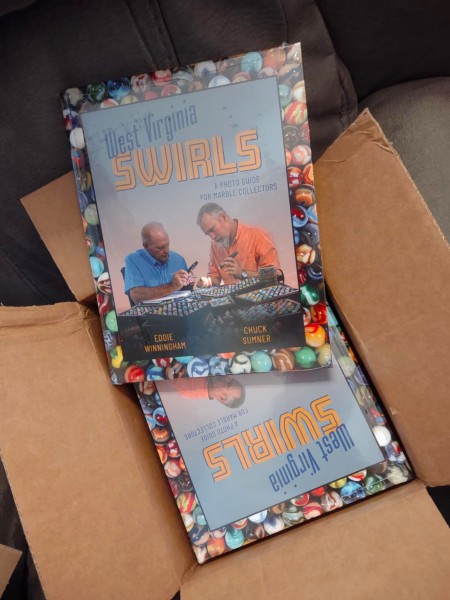
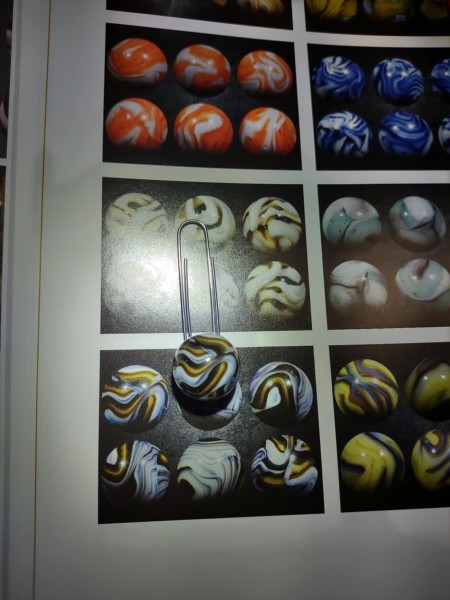
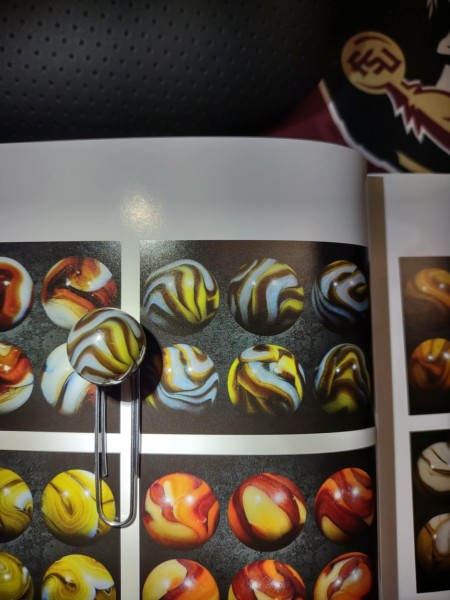
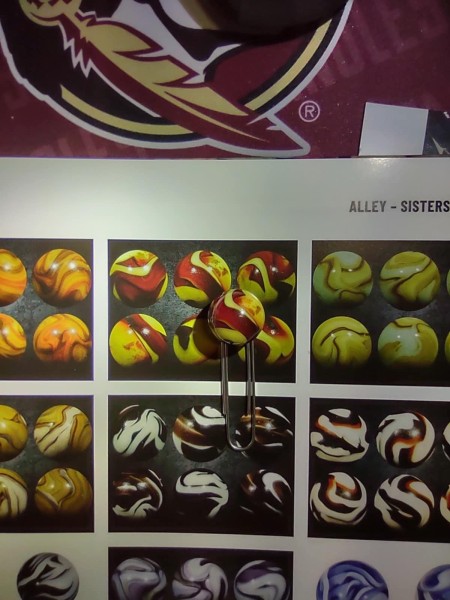
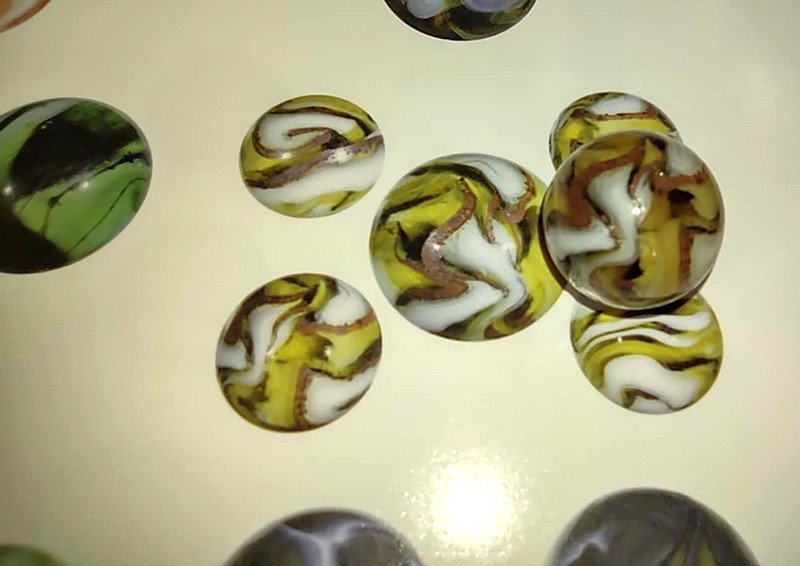 6 points
 -
Blood pool
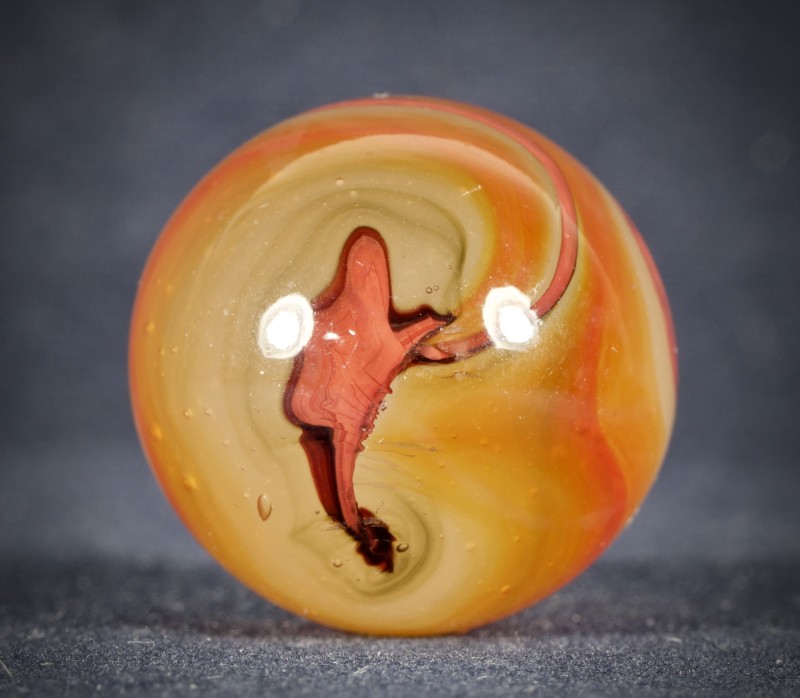 6 points
 -
Most of us here have been around for quite a while. The very oldest Marble Board on Planet Earth. Many of us have decided to retire and quit or move on to death---not me. You know what. We have a responsibility to pass on the knowledge that we have acquired. The knowledge that we have is not achieved without another one or two or several behind us. There are kids at five years old that love marbles as much as we do at 25 or 105 years old. Let’s keep this thing going and pass on the Marble knowledge that we all know. I challenge you all to be teachers as well as collectors and be willing to be informed and challenged without any remorse or bad feelings. Marble—On!!6 points
-
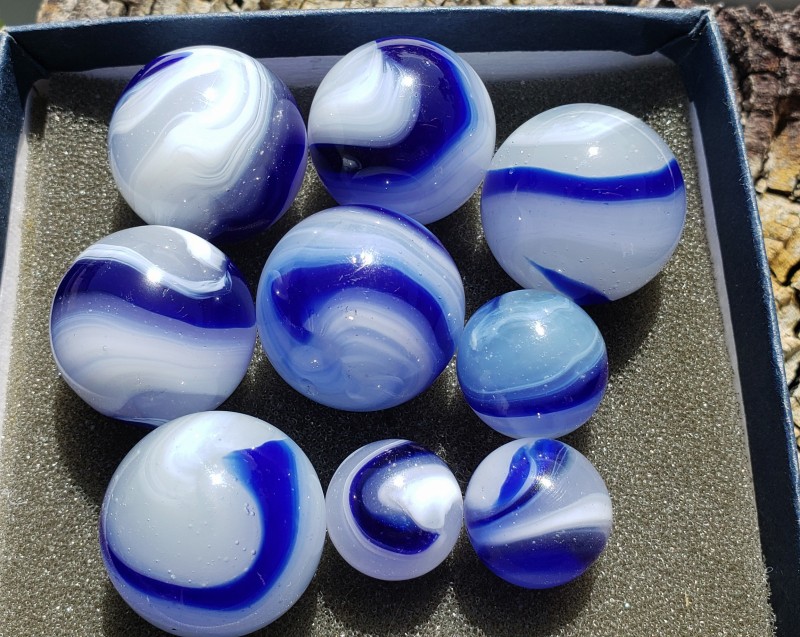
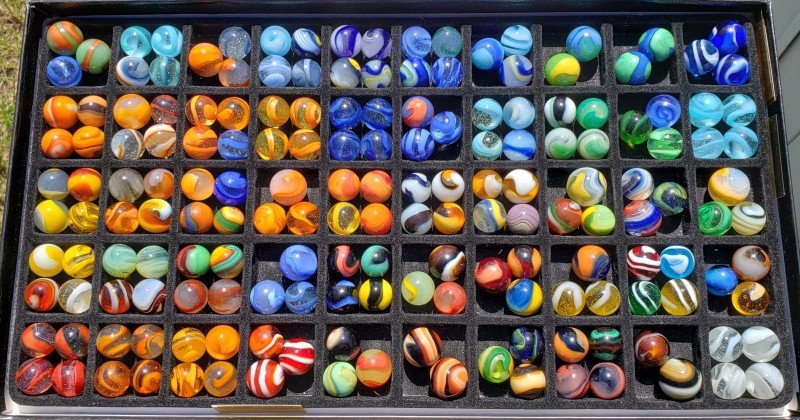
When I first started collecting, it was for any Akro I could get my hands on of course, and back then money was always tight. The Cobalt and wispy White were one of the first combinations I actively hunted, couldn't get enough of them, but I had to sacrifice in other areas in my life in order to afford these back then, and now they have a sentimental place in my collection . What I love now is Orange, love that Akro Orange, all 254 shades and transparency/opaqueness of it lol (please don't take that seriously, I have no idea how many different Oranges there are). I also love Spirals, translucent bases, Periwinkle Blue, marbles that 'appear to be same run' and finding them at different times and locations, and certain dug marbles. I know I'm all over the place but it's all Akro. Here are some of my Akro out in the Florida sun ☀️, usually when I take my marbles outside it's to get them out of the path of a hurricane 🌪️⛈️ So this was nice.
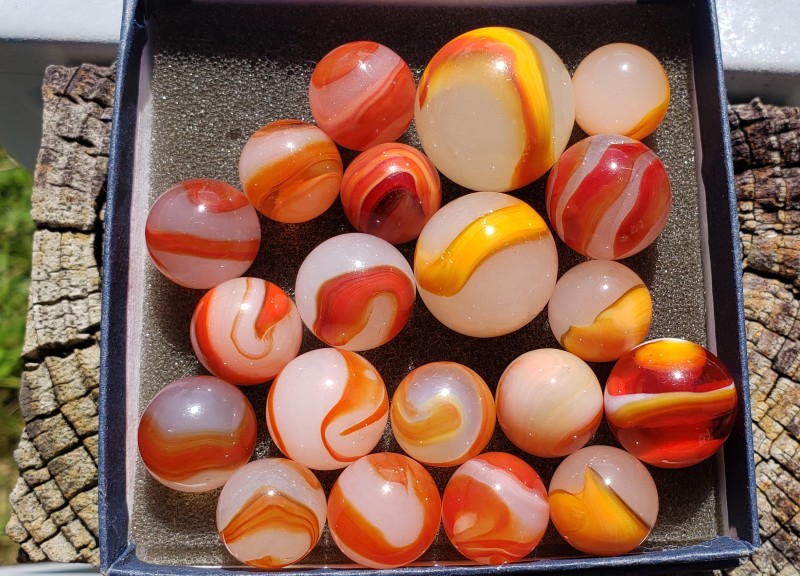
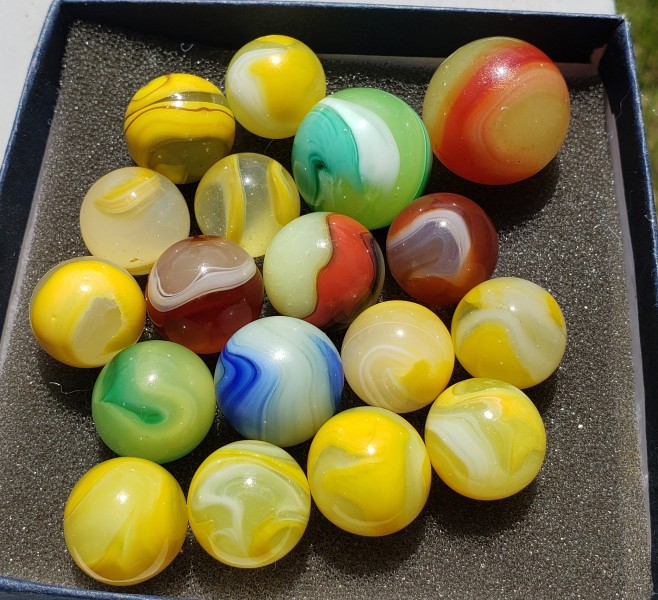
 6 points
 -
This one even featured a few from my collection. A lot of lingering questions were answered in this video. Thank you @stephenb!6 points
-
It's a happy new Thuringen Thursday and I am re-posting a marble from 54 pages ago. 🙂 I gave it to a friend at the Ft. Wayne show last year - he likes the oddities even more than I do and it was totally worth it just to get a peek in his keeper box - jumpin' jimminy, man! That's all I've got to say. 🙂6 points
-
I am riding my bike home tonight, alongside Lake Michigan. At night, it is like a time machine and I think about the people who lived and worked beside this massive body of water 100 or more years ago. But since I am going by bike I tried to conjure up a circa 1900 version ... and I thought of the circa 1900 ball bearings somewhere in the bike .... And I heard myself say, "Thank you, Mr. Christensen." Because M. F. Christensen revolutionized the manufacture of ball bearings before he applied his genius to the rounding of glass. Okay, not so funny. Lol. But it amused me. 😜6 points
-
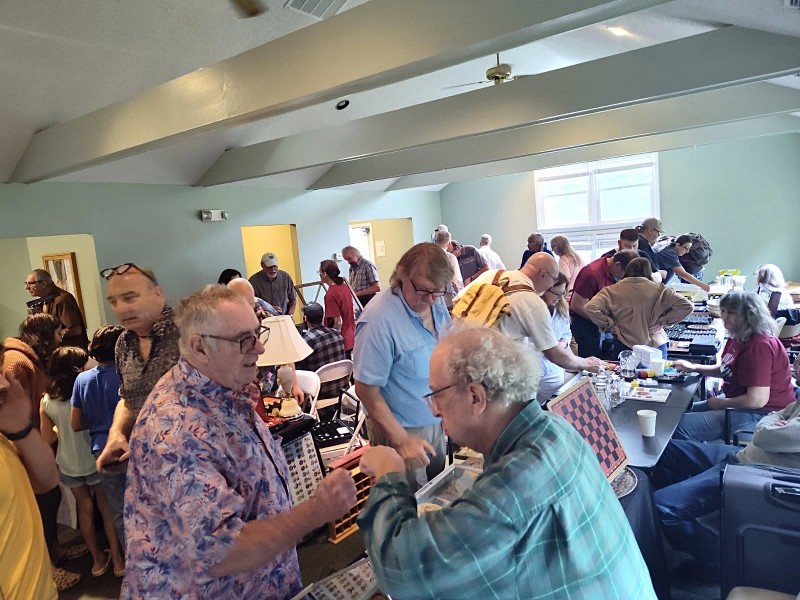
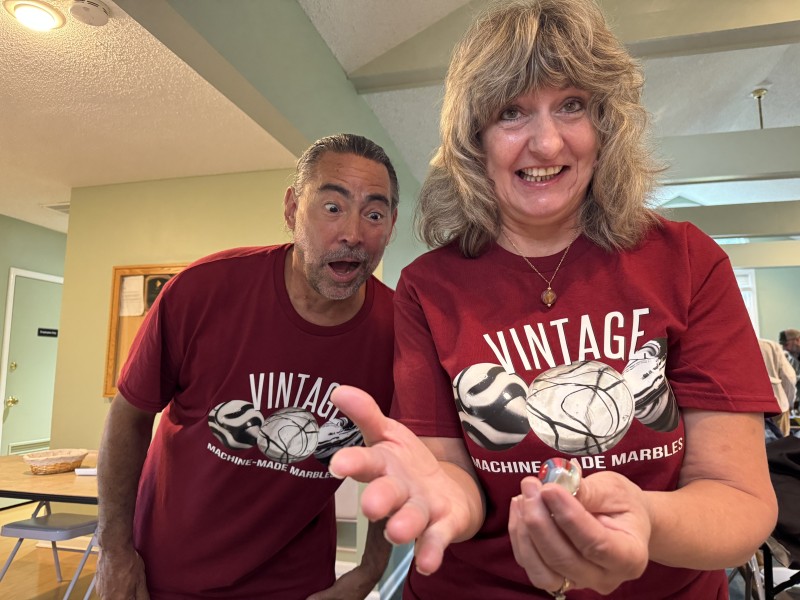
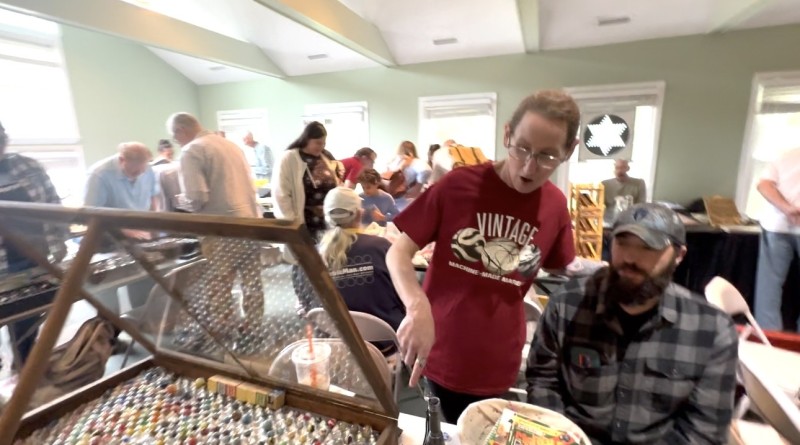
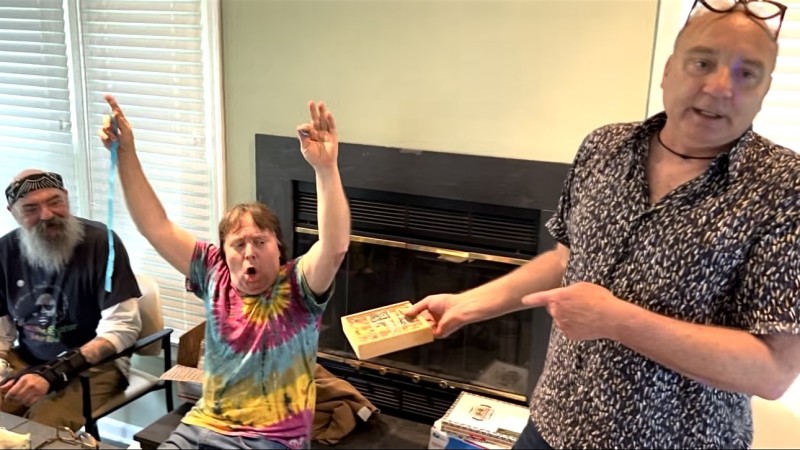
A big thank you for everyone involved in the New Jersey Show last weekend! We had a terrific day thanks to the awesome attendees and vendors ! Here’s some photos of the event. We maxed out our capacity and are thinking about moving next year’s show into a Hotel.
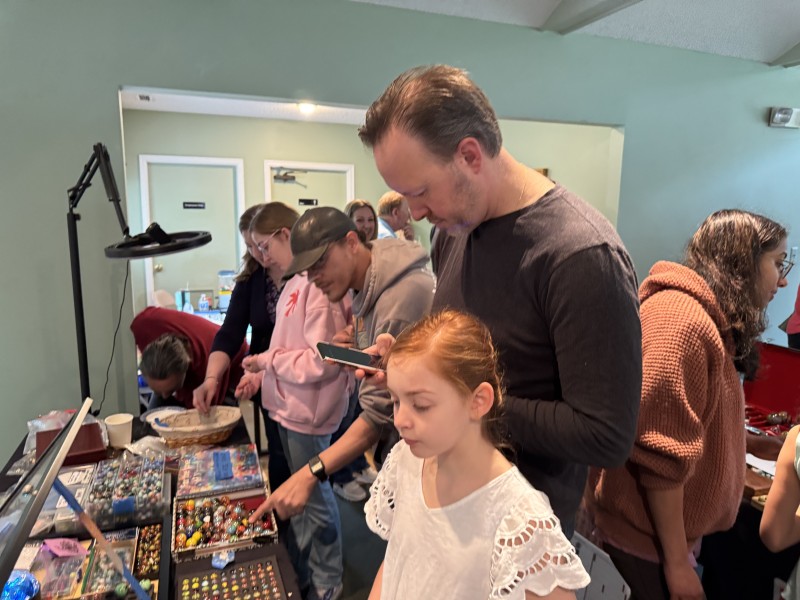
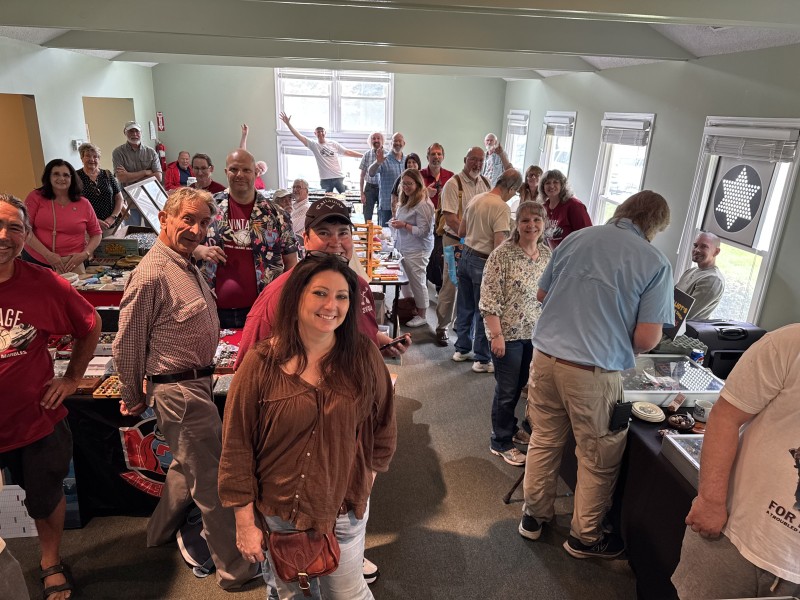
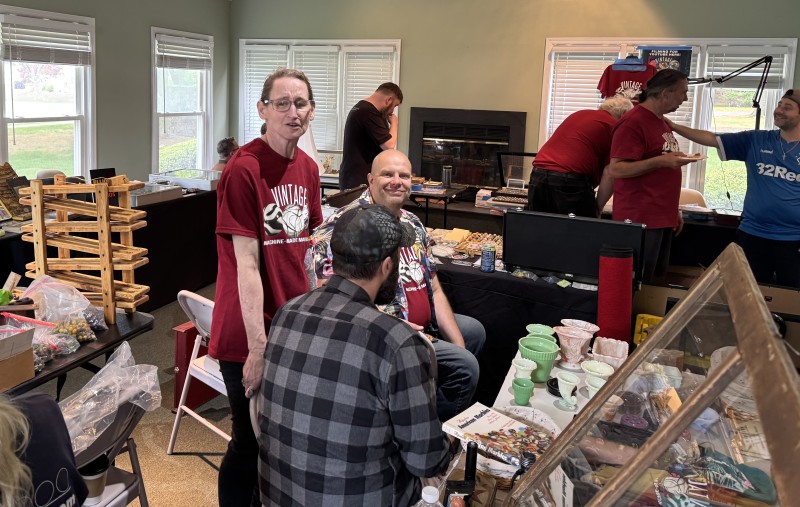
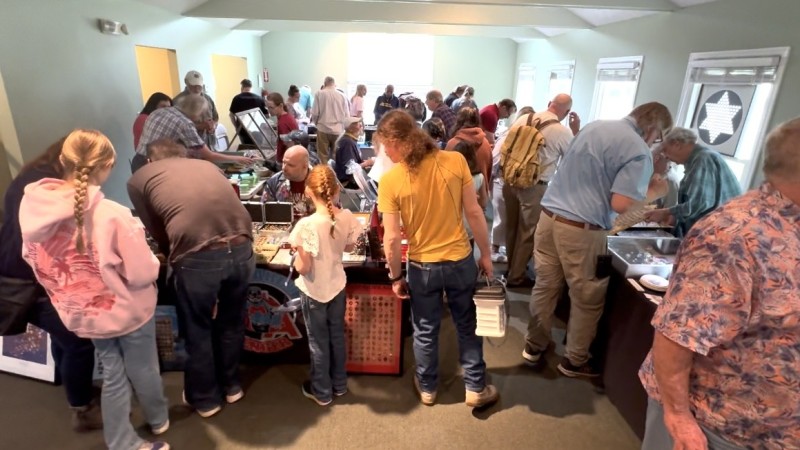
 6 points
 -
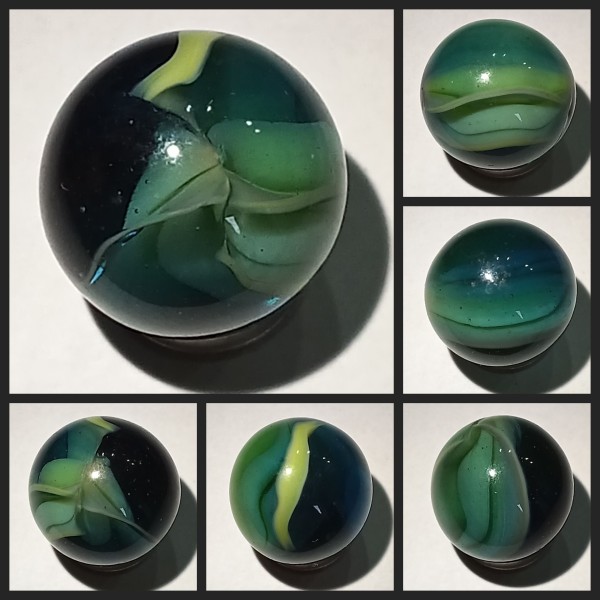
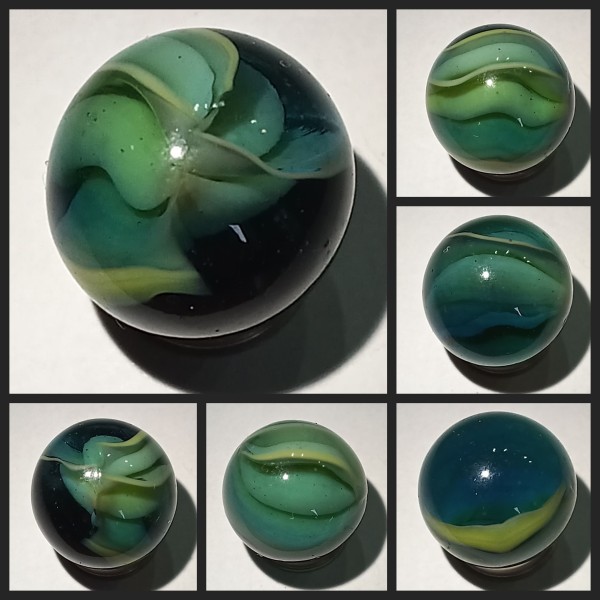
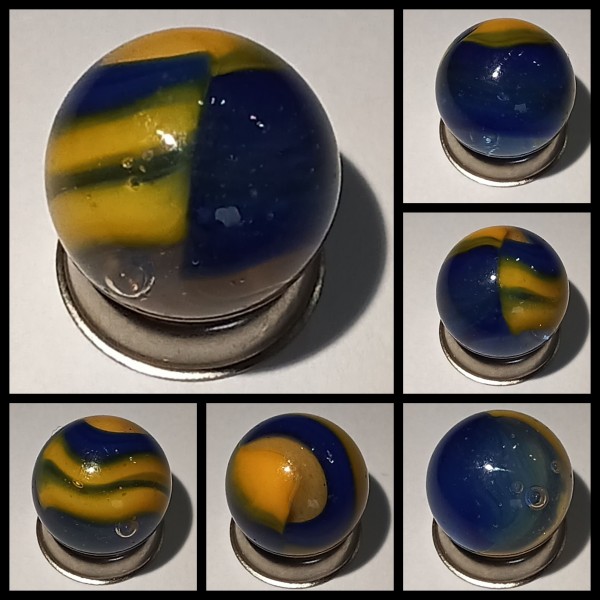
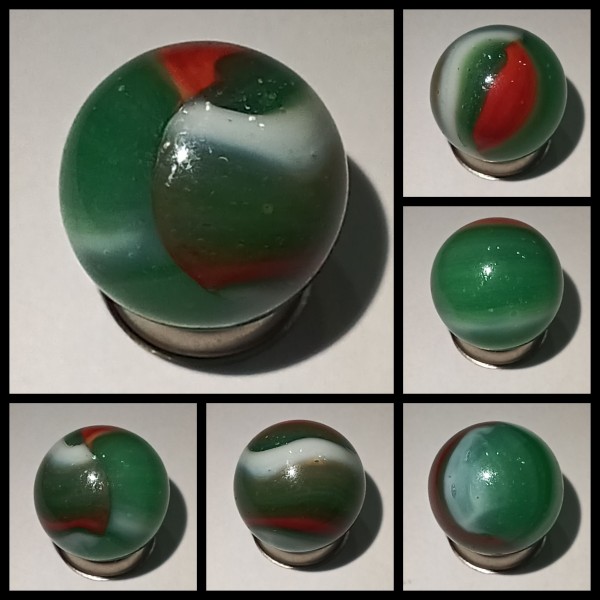
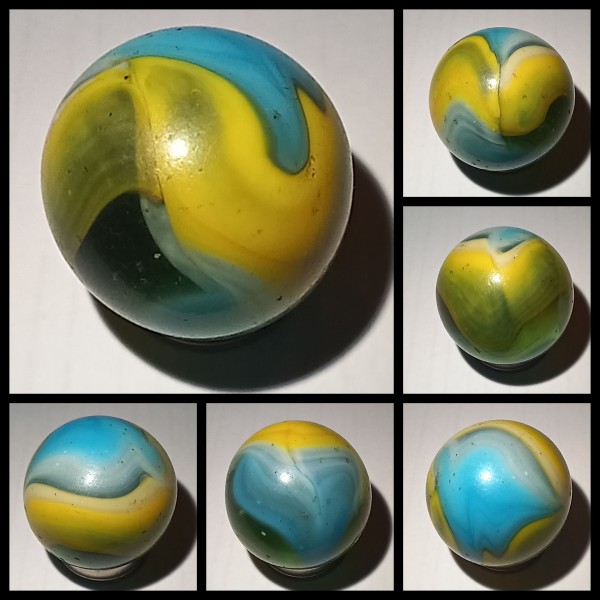
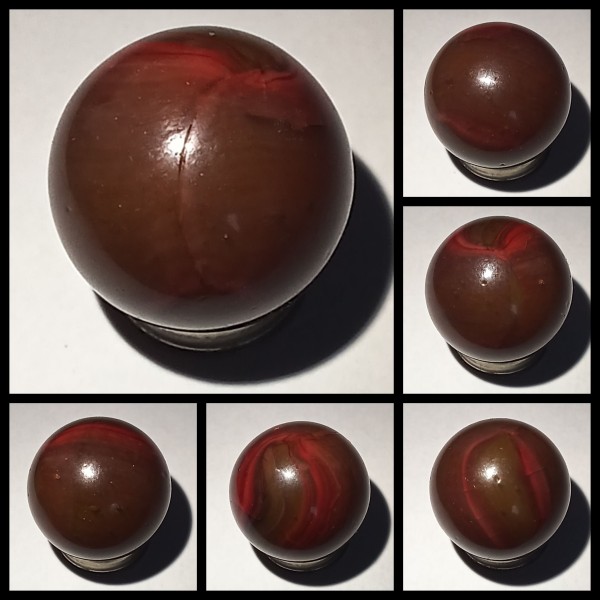
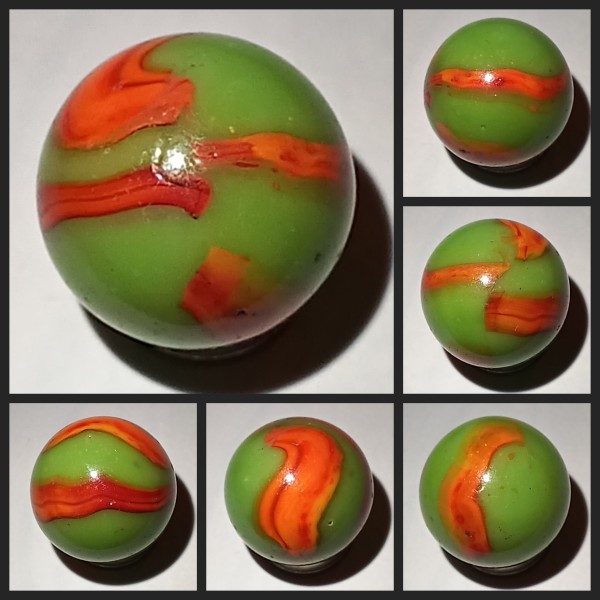
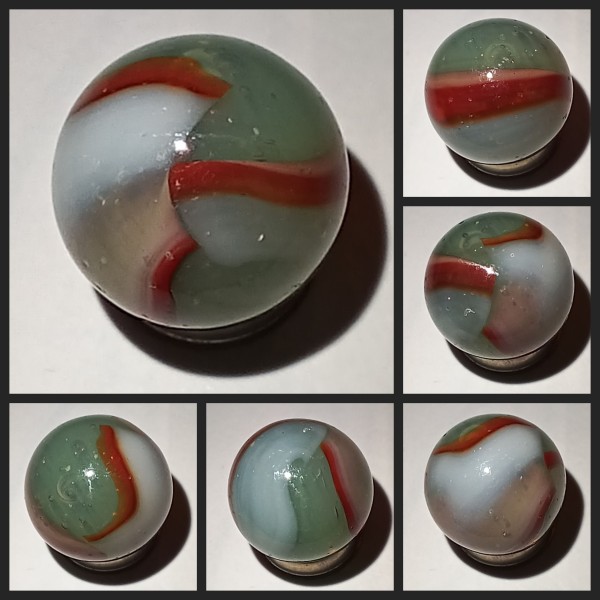
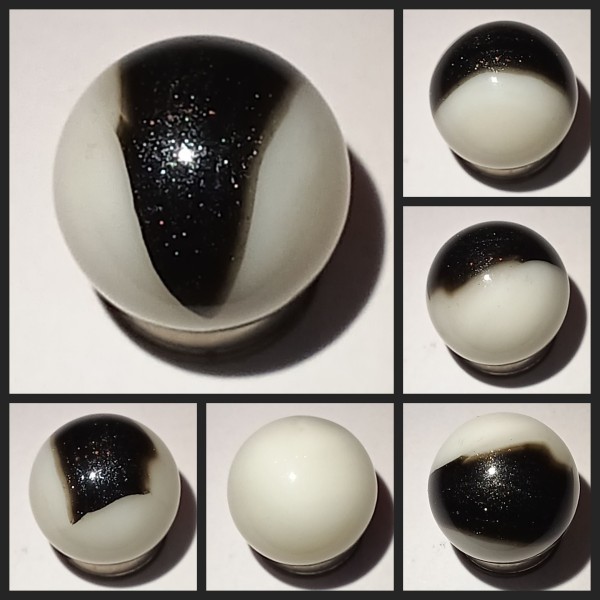
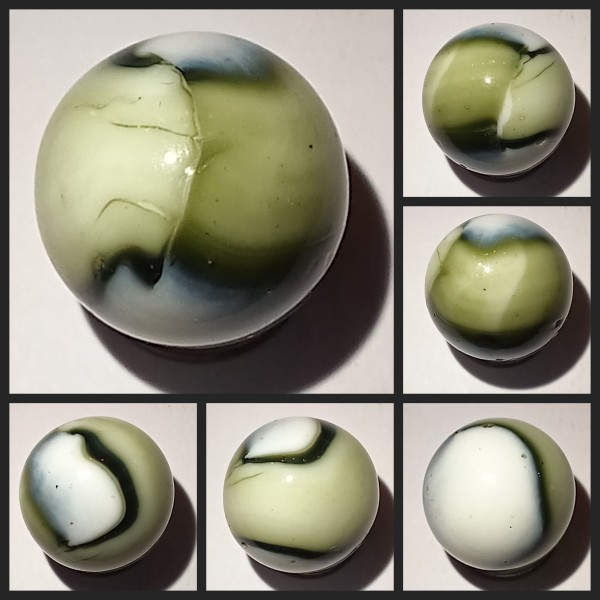
Marble King 😍 Enjoy 😁
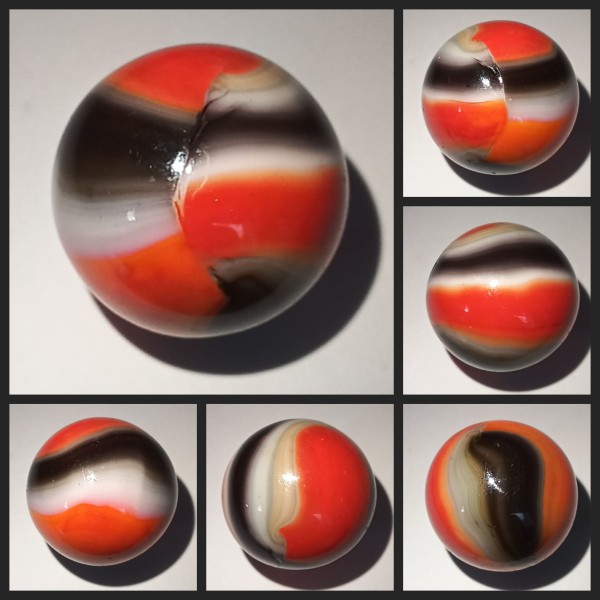
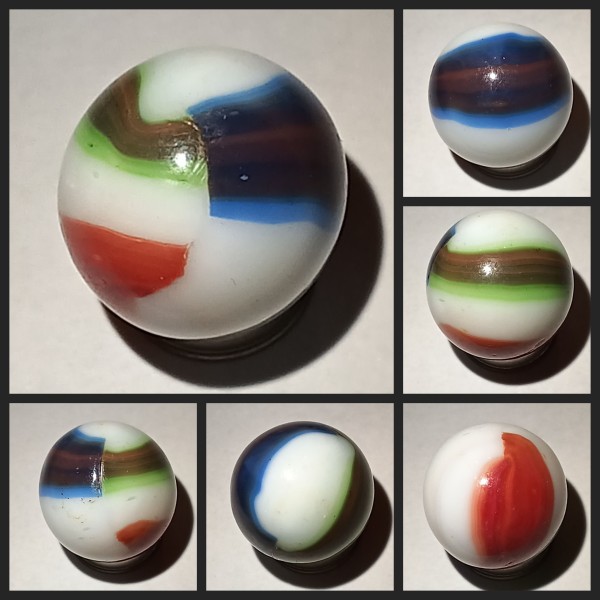
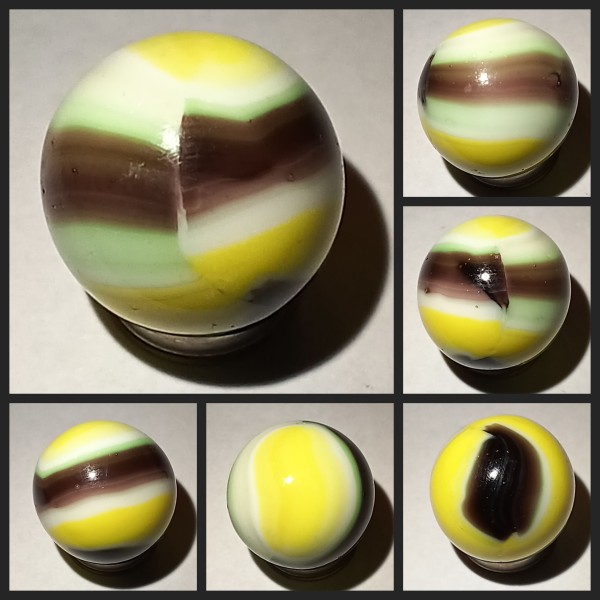
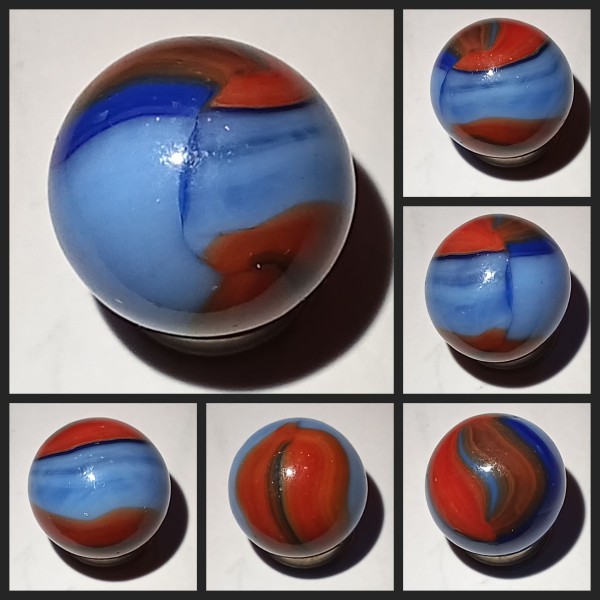
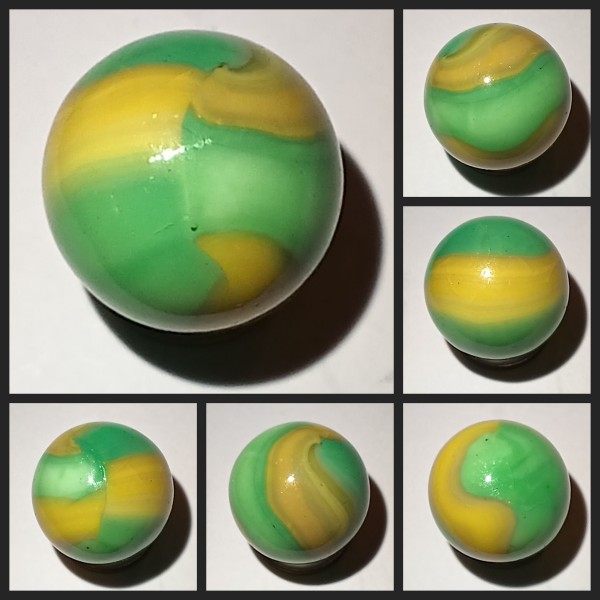
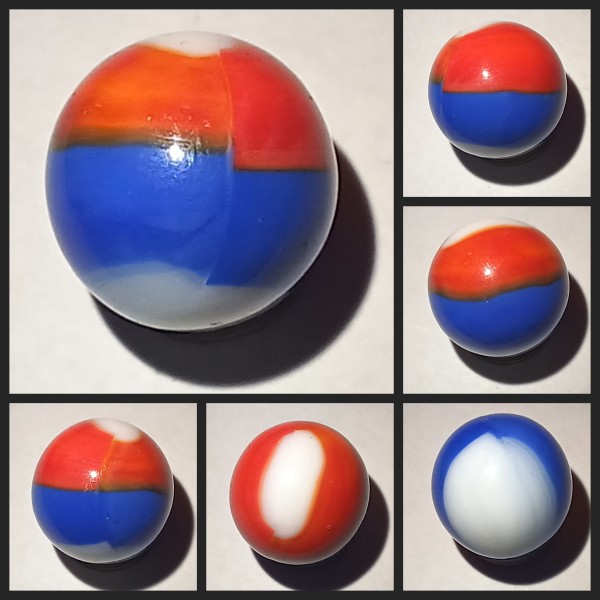
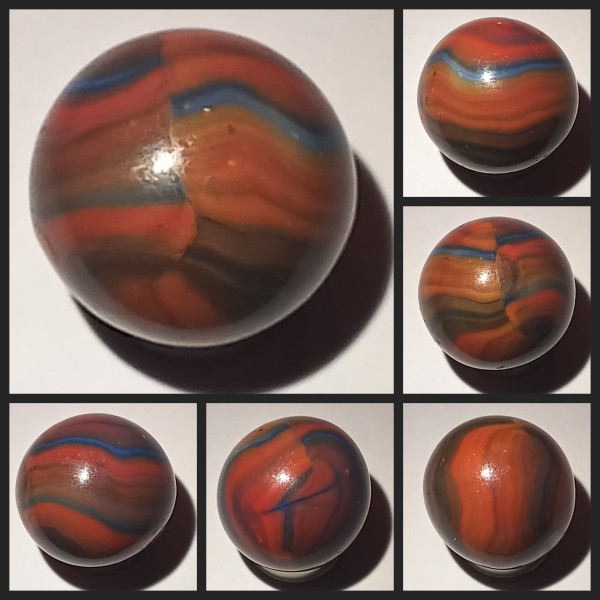
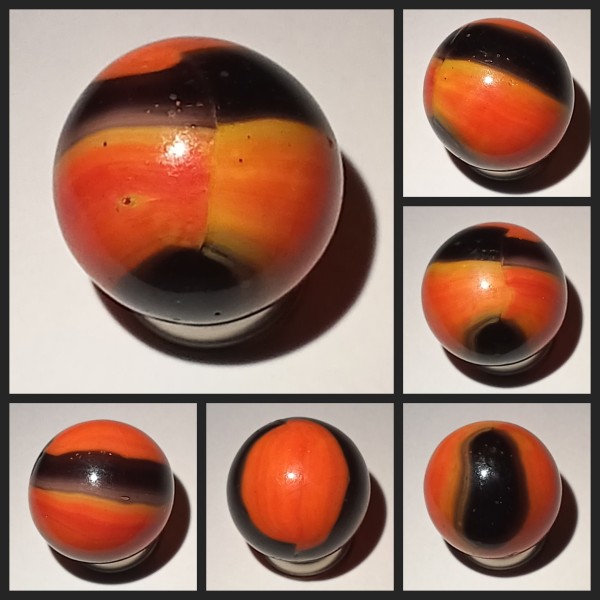
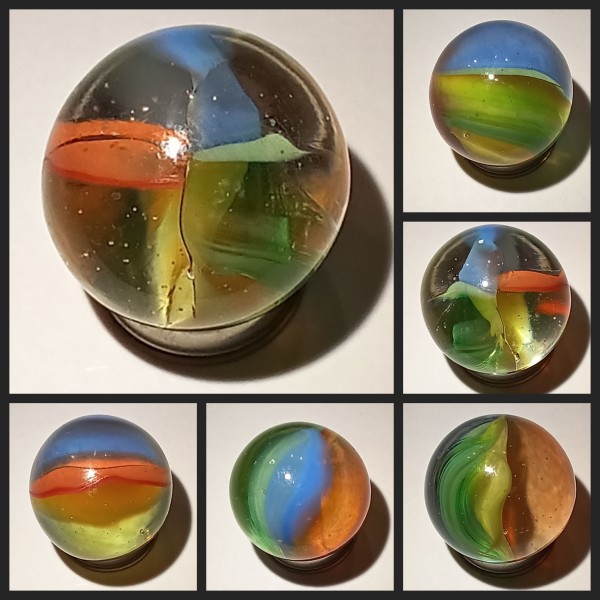
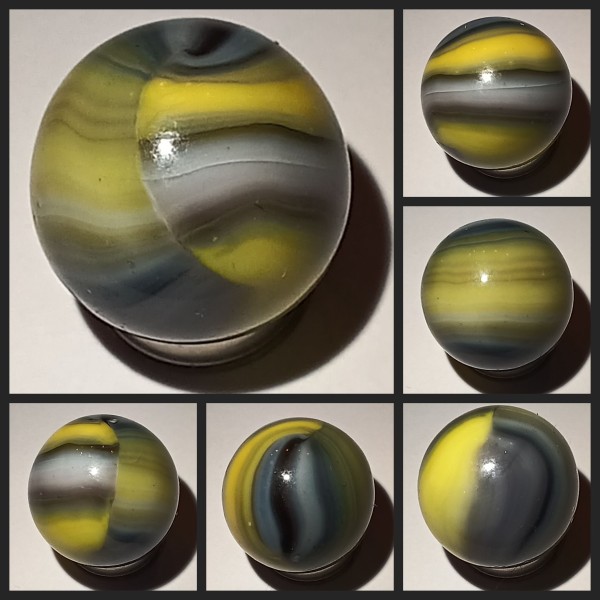
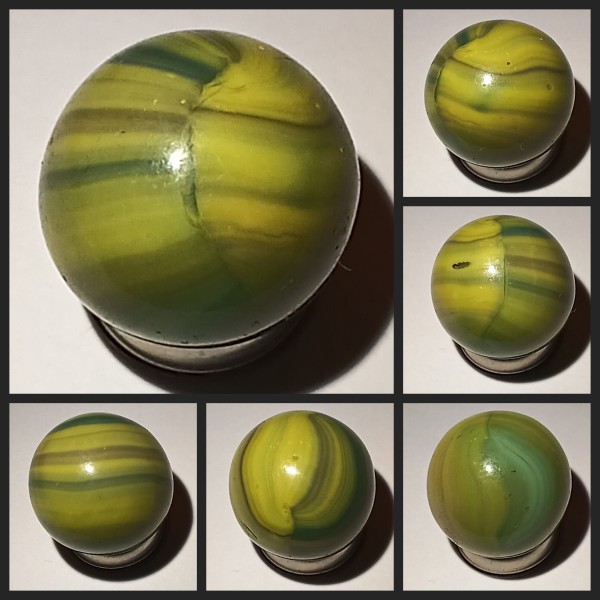
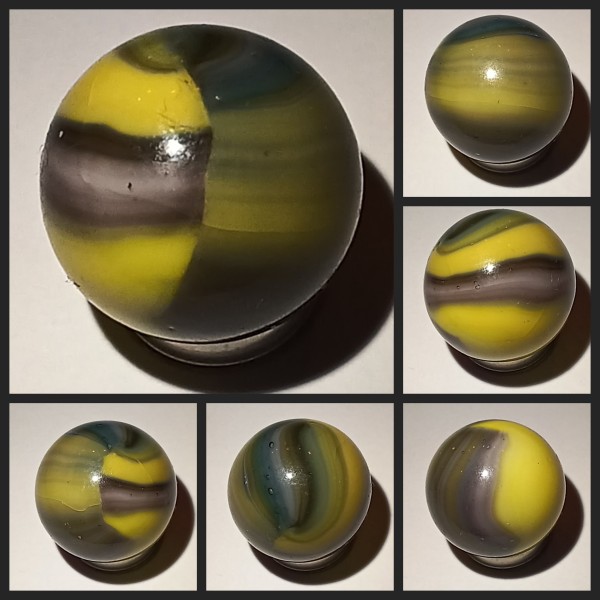
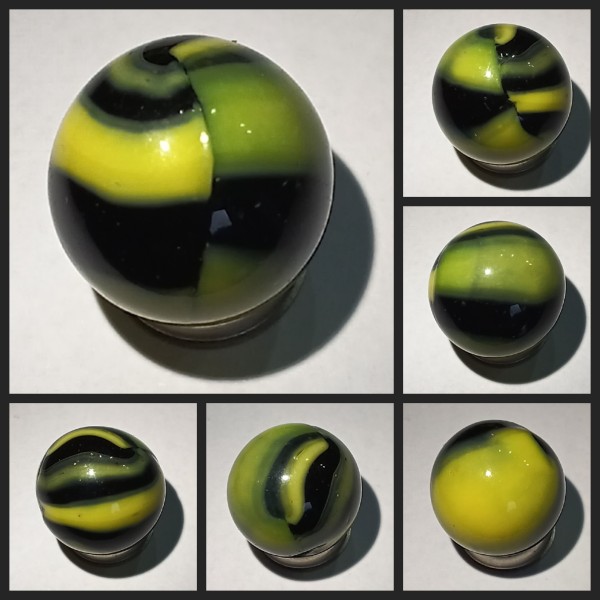
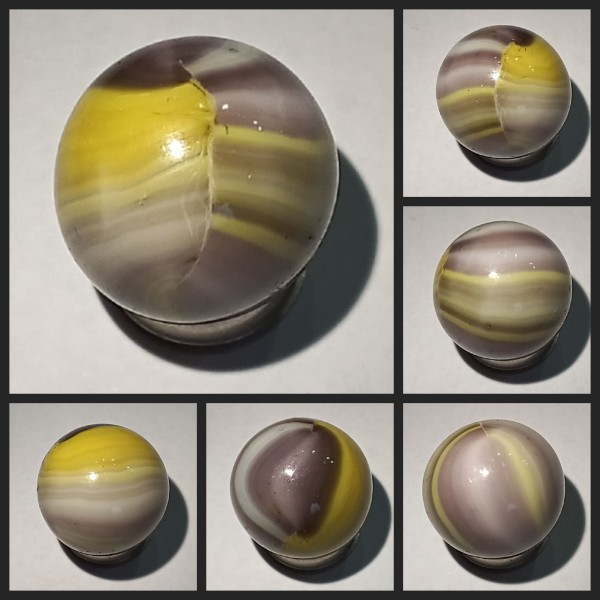
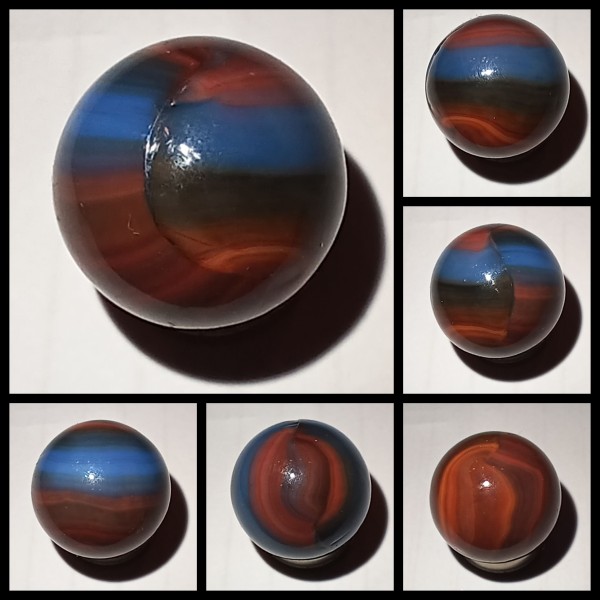
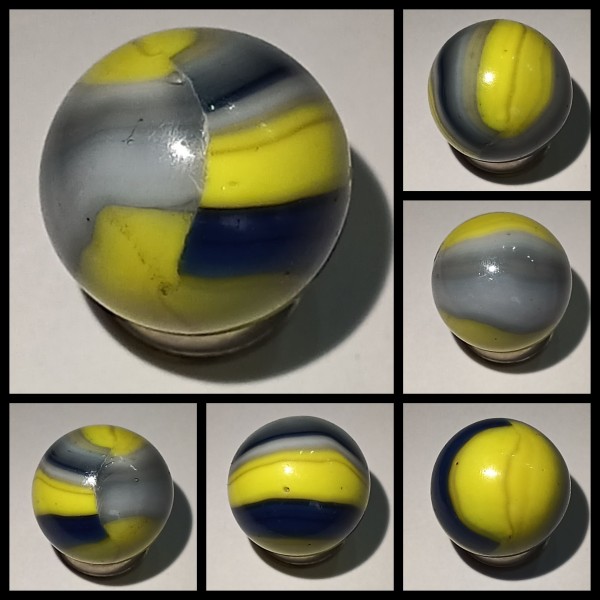
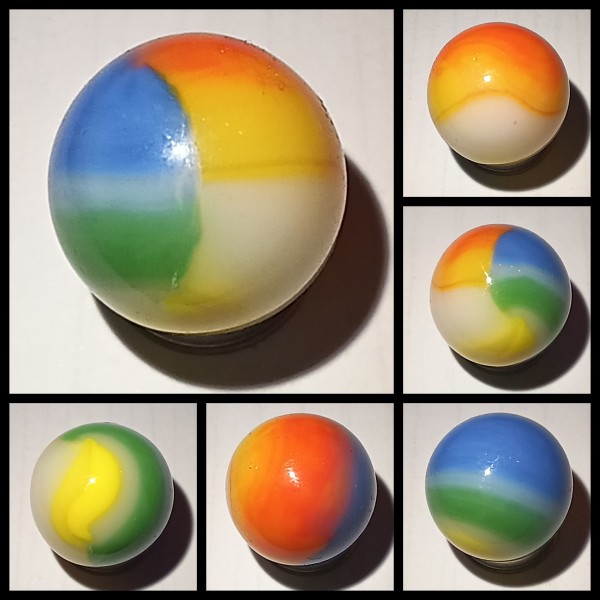
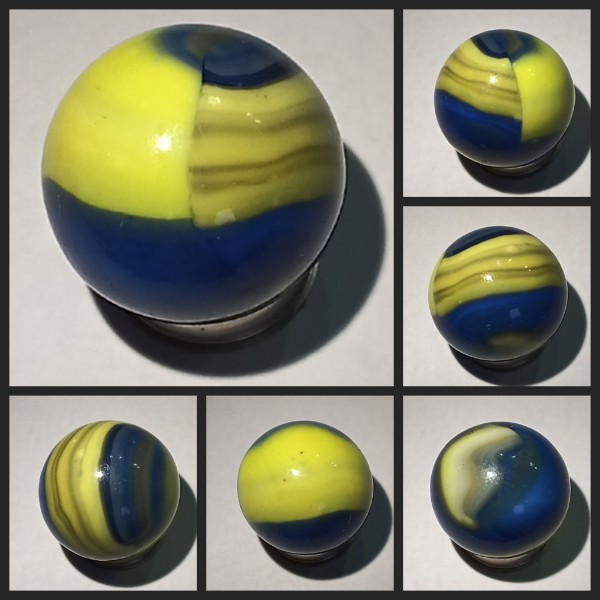
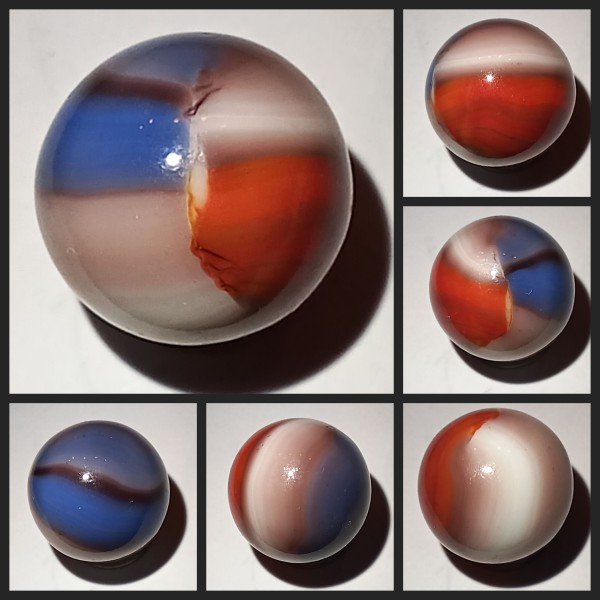
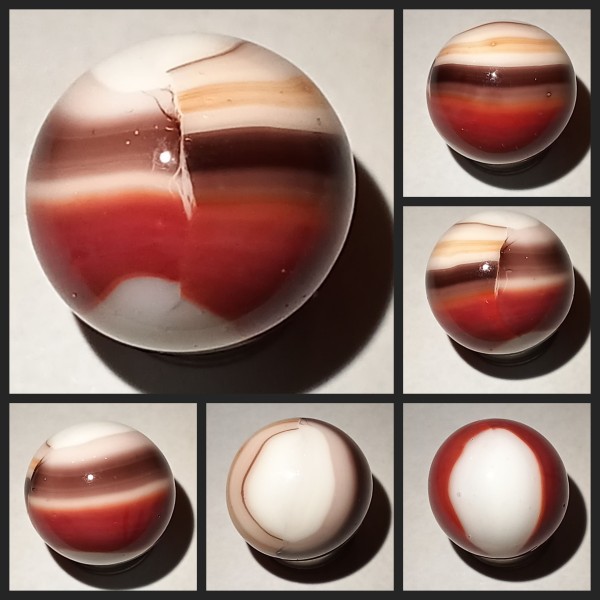 6 points
 -
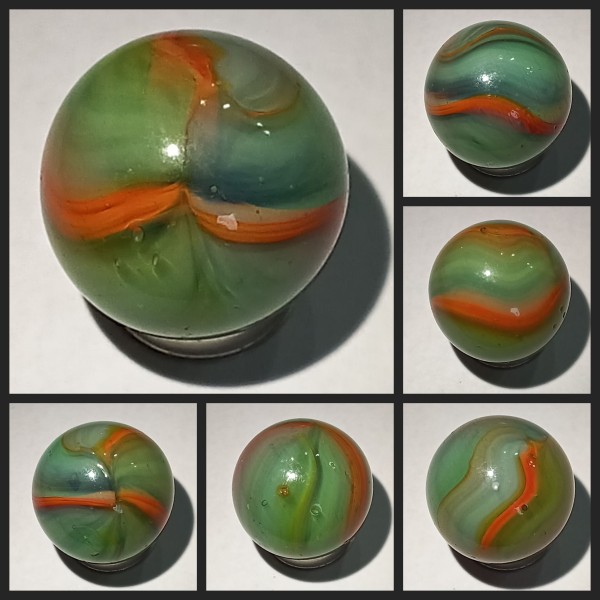
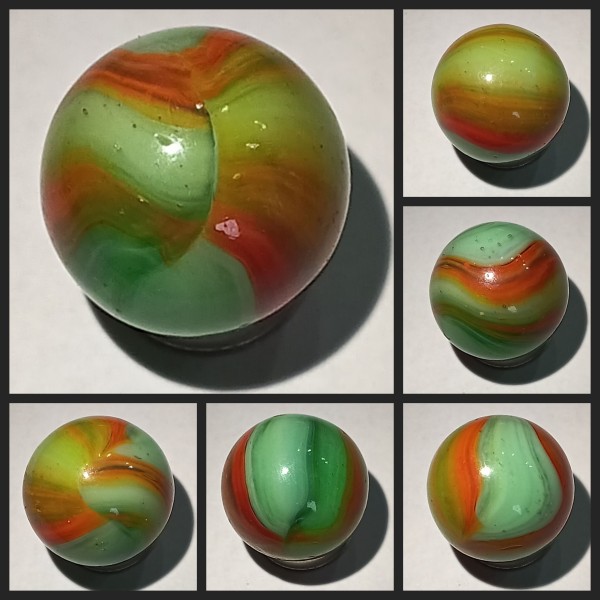
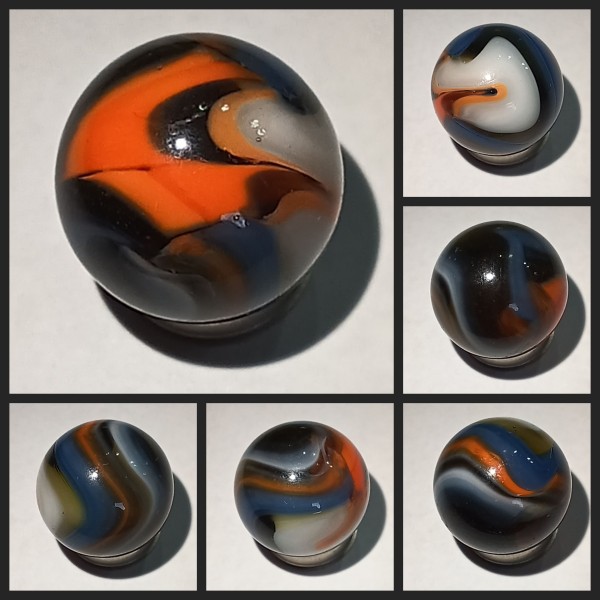
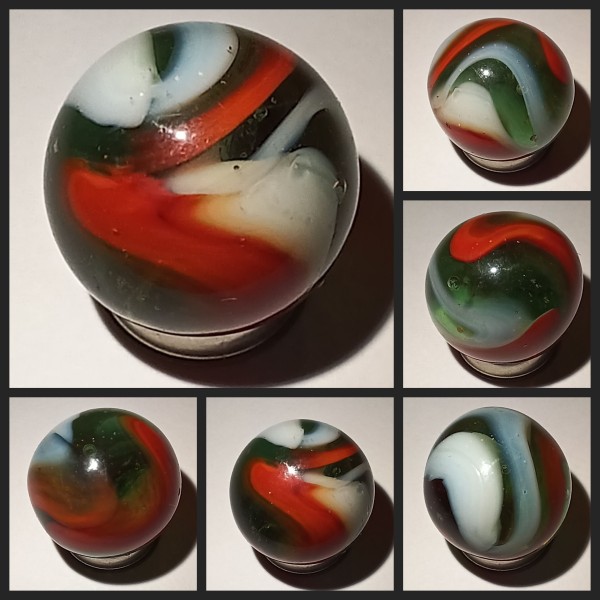
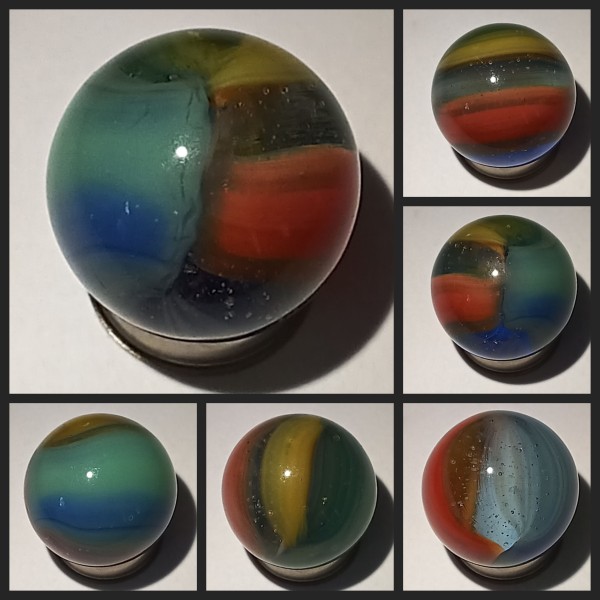
Peltier ♥️ Enjoy the pictures 😁
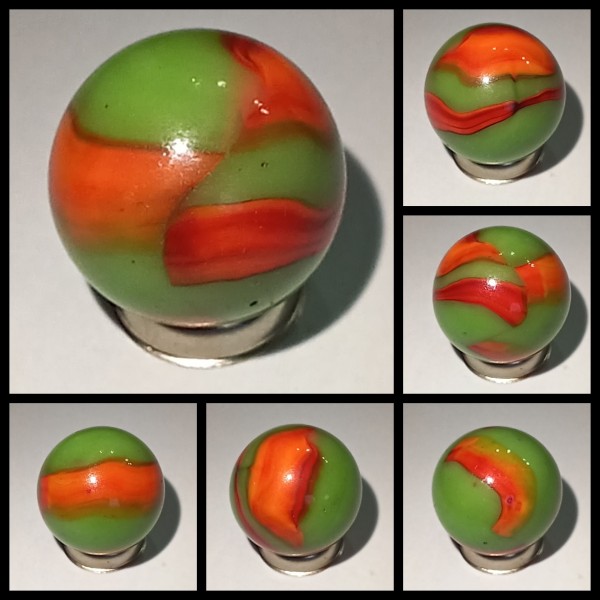
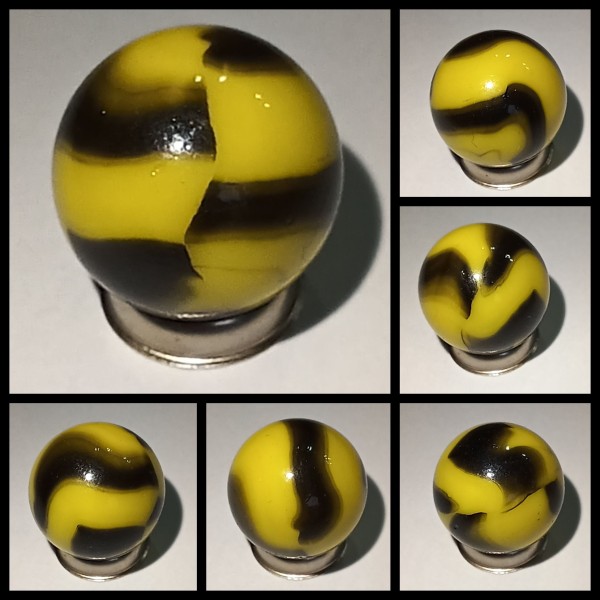
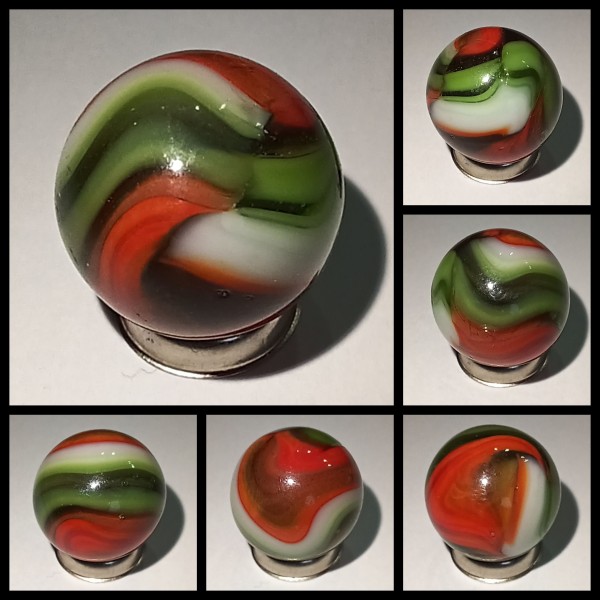
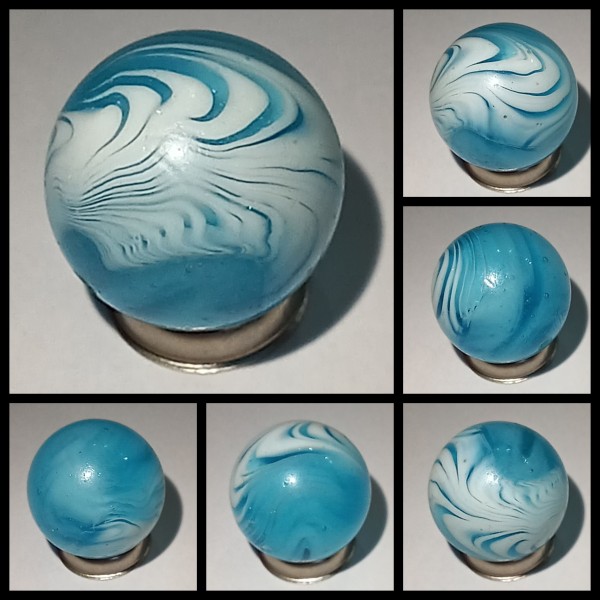
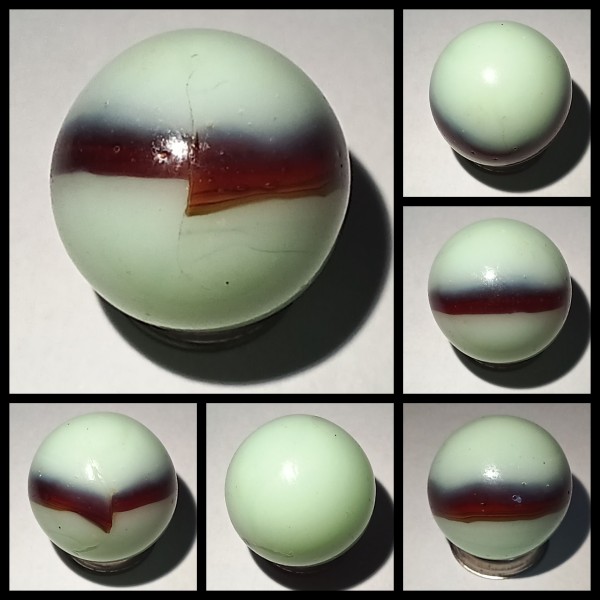
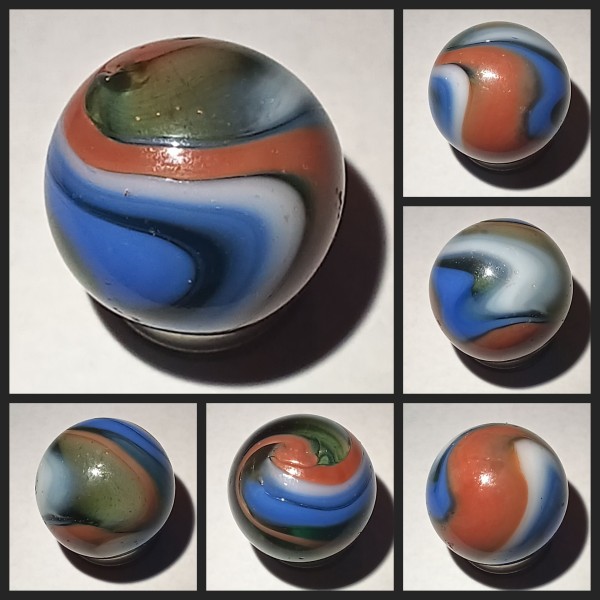
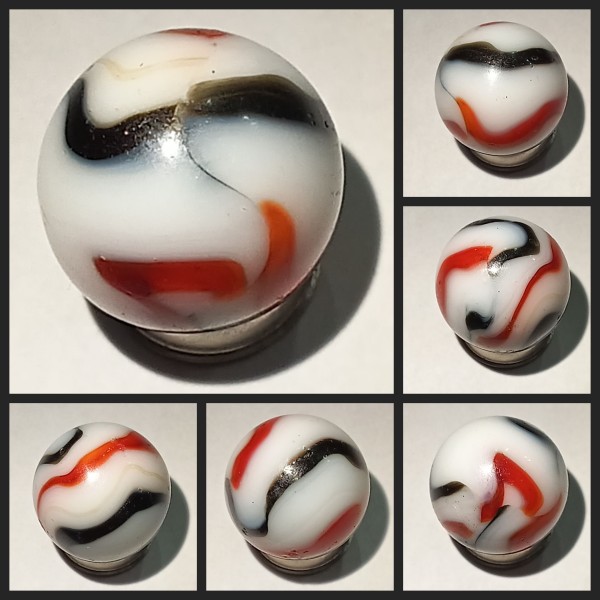
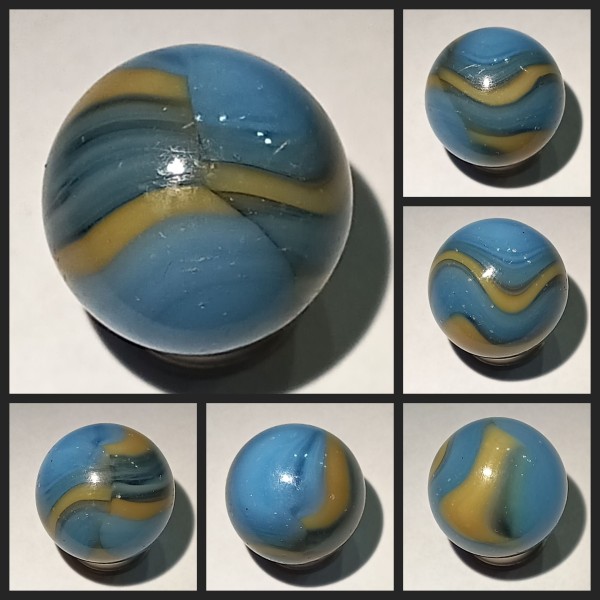
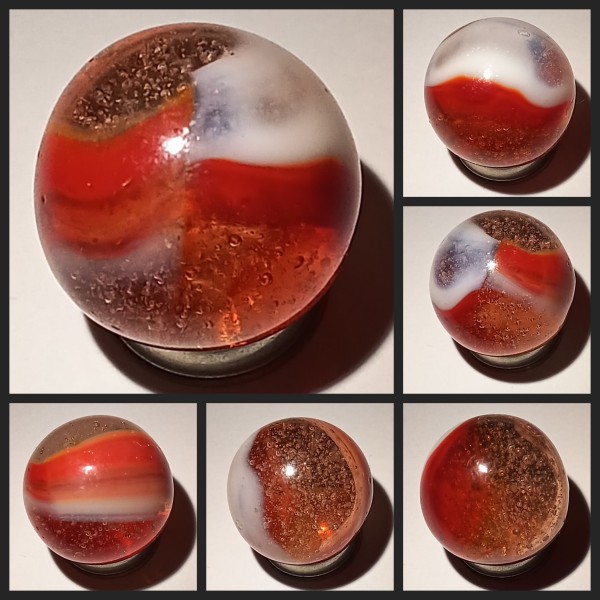
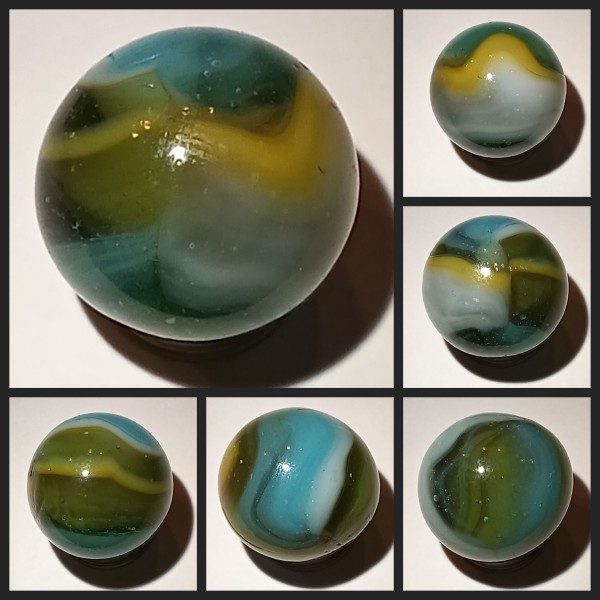
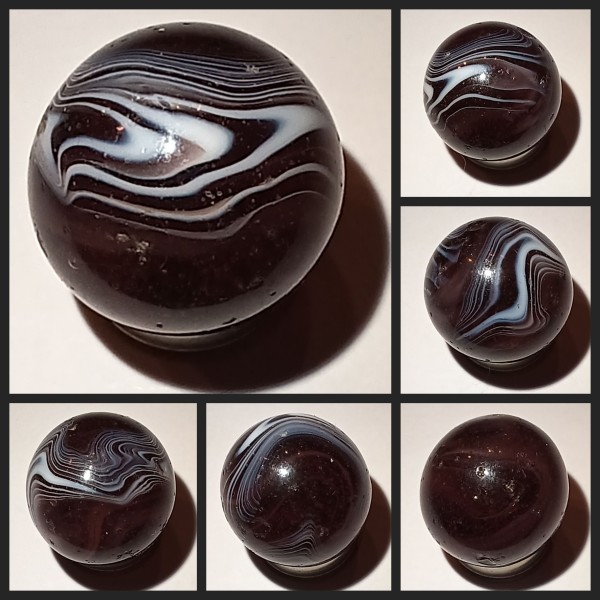
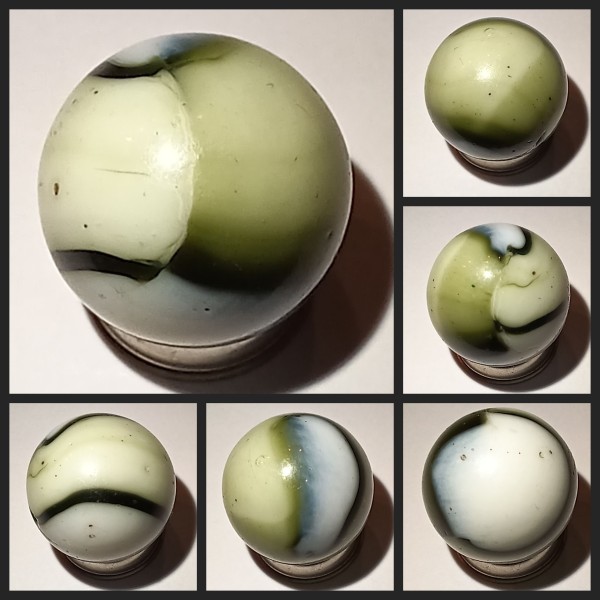
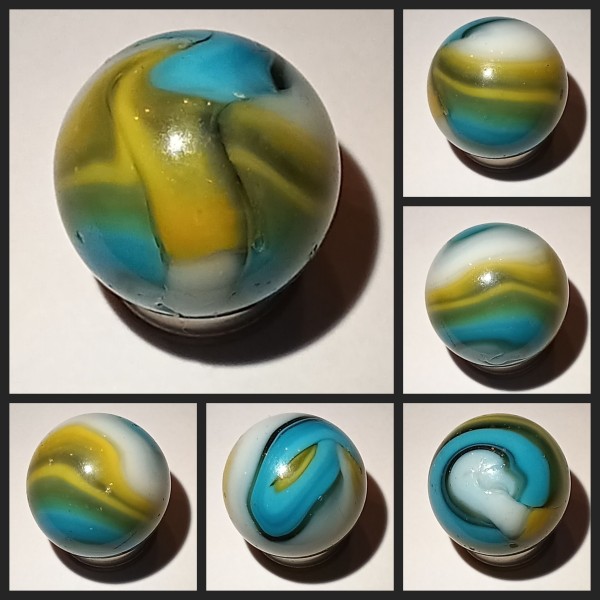
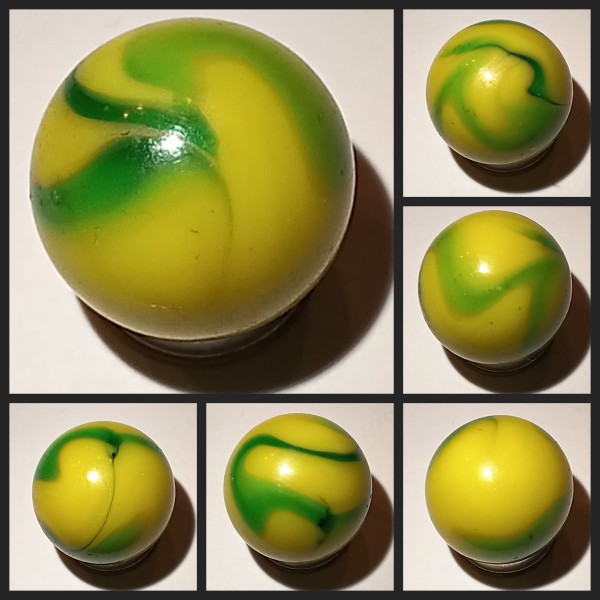
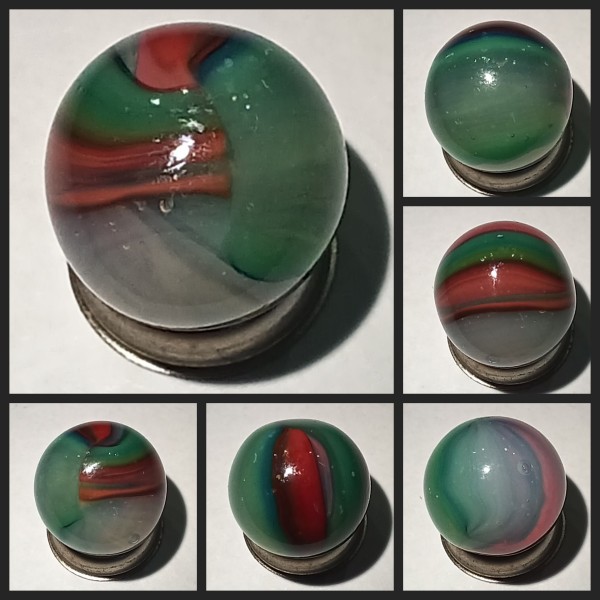
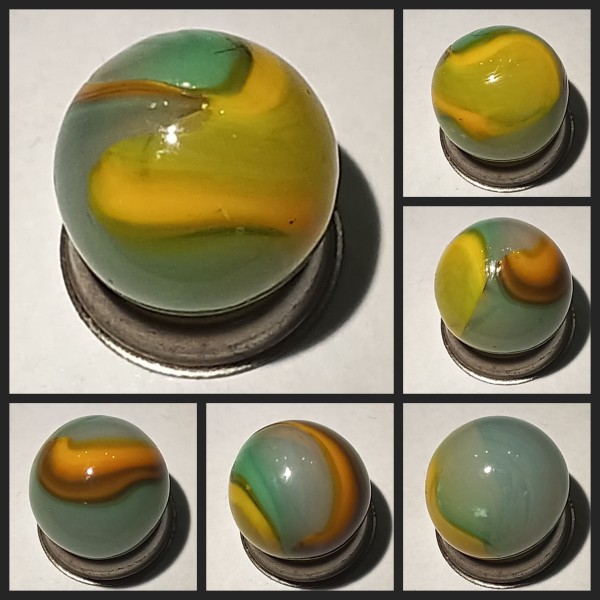
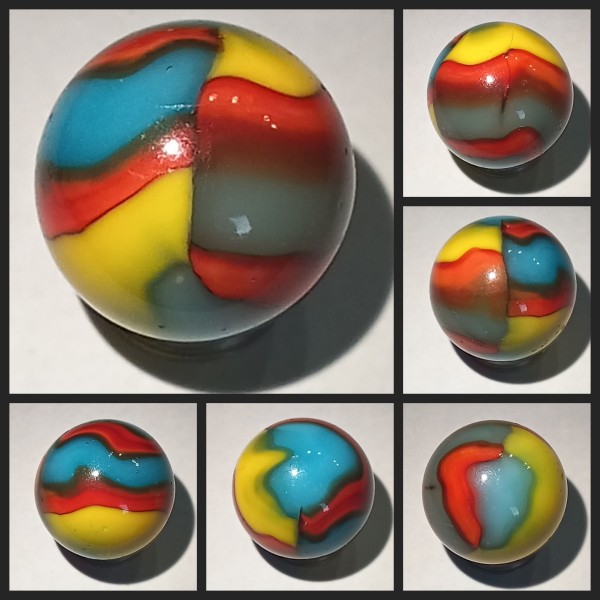
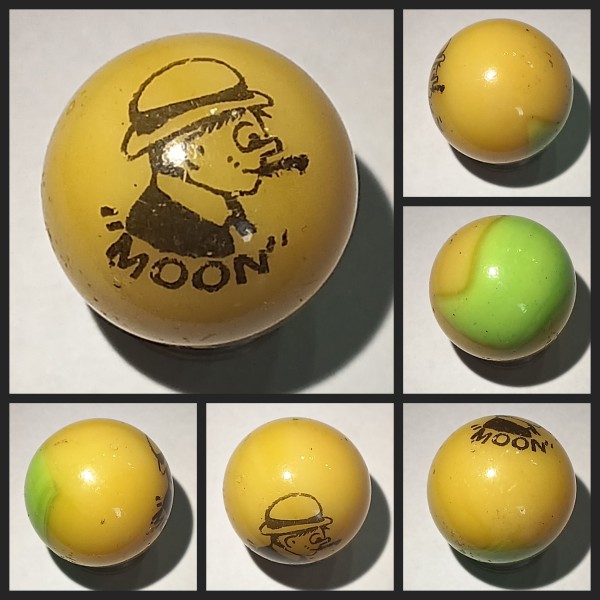
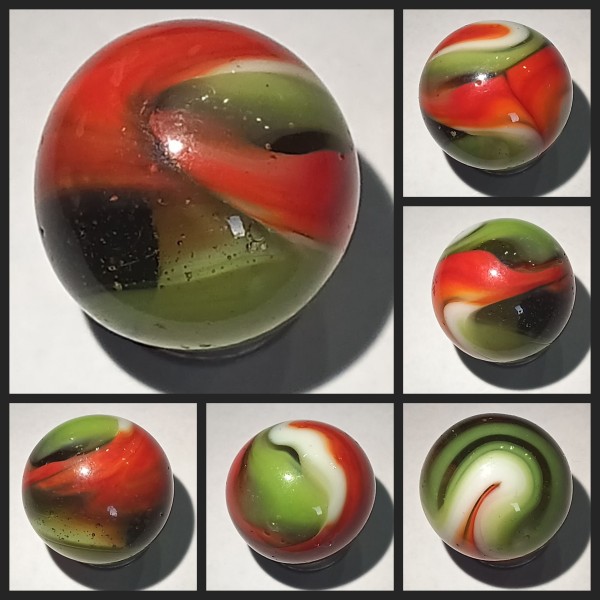
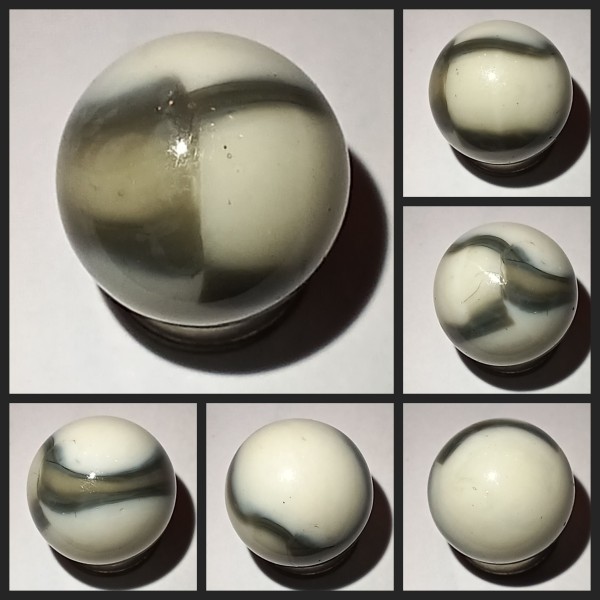
 6 points
 -
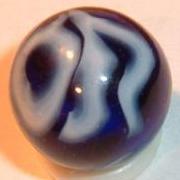
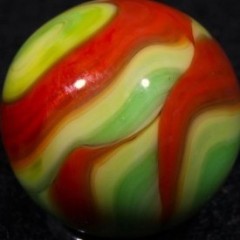
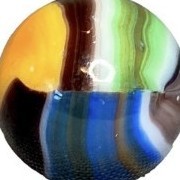
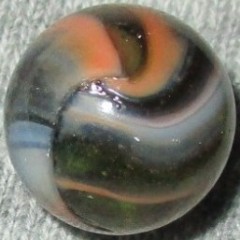
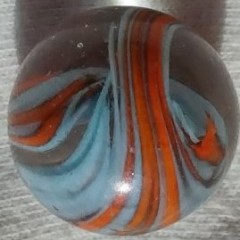
These are Modern Asian. The type often called Imperial because many were distributed in the U.S. by the Imperial Toy Company. The turquoise one has threads of oxblood. That's a popular thing to find, not uncommon. This family of marbles can be very pretty. And there are variations you might never see more than once. I _might_ have seen this combo one other time. For awhile I hoped it was something other than "Imperial" but I can't think of anything else it could be.6 points
















.JPG.e8126961d2d3a2ab401b3eb5429ef3ad.JPG)


.jpg.e324909ff0b1cb62c41fbed1c6880a2b.jpg)




.JPG.296511d0fabab769c09edb5c205ad170.JPG)